
Planting
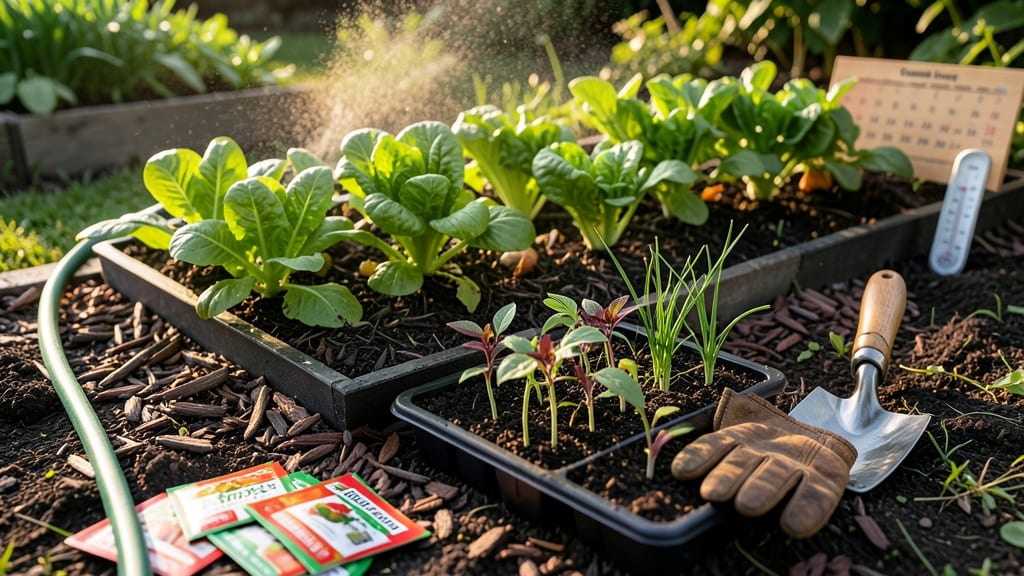
Timing your vegetable garden in New York isn't one-size-fits-all—plant too early, and frost will wipe out your seedlings; too late, and you'll miss the growing season entirely. The key lies in understanding your microclimate, whether you're in the Hudson Valley's cooler hills or NYC's urban heat pockets.
I've spent years tracking frost dates and soil temperatures across New York's diverse regions, and what I've learned could save you from wasted effort. From Upstate's USDA Zone 5 to Long Island's Zone 7, each area has its own sweet spot for planting.
Let me walk you through the exact windows that work—and why they matter.
You might think all vegetables follow the same schedule, but cold-hardy greens like spinach can handle early spring plantings while heat-lovers like tomatoes need to wait until after the last frost. I'll break down the critical start dates for each region, so you can plan with confidence.
Whether you're a beginner or a seasoned gardener, mastering these timing tricks means more harvests and fewer headaches. Ready to turn your garden dreams into reality? Let's get started with the perfect planting calendar for your corner of New York.
New York planting zones & frost dates: exact start times by region
New York spans USDA zones 5-7, creating wildly different planting windows across regions. The Adirondacks (Zone 5) face earlier frosts than Long Island (Zone 7), where heat-tolerant crops like okra thrive. Understanding these zones—and their microclimates—means the difference between a bountiful harvest and wasted seeds.
Your last frost date determines when to plant cold-sensitive crops like tomatoes and peppers. In Zone 6 (Upstate NY), the average last frost is May 1-15, while Zone 7 (Long Island, NYC) sees frost-free soil by April 15-May 1.
Even within a zone, urban heat islands (like Brooklyn) can push starts 1-2 weeks earlier than rural areas.
Here’s your region-by-region breakdown of planting windows, frost dates, and ideal crops for spring and fall gardens. Use this as your guide to avoid frost damage and maximize your growing season.
| Region | USDA Zone | Avg. Last Frost | Avg. First Frost | Best Early Crops | Heat-Tolerant Picks |
|---|---|---|---|---|---|
| Adirondacks | 5a-5b | May 15-30 | September 20-October 5 | Peas, spinach, kale | Sweet potatoes, malabar spinach |
| Hudson Valley | 6a-6b | April 25-May 10 | October 10-25 | Lettuce, radishes, broccoli | Okra, black-eyed peas |
| NYC & Long Island | 7a-7b | April 15-May 1 | October 25-November 10 | Arugula, Swiss chard, peas | Eggplant, peppers, tomatoes |
| Western NY (Buffalo) | 6a-6b | May 1-15 | September 25-October 10 | Spinach, carrots, beets | Southern peas, okra |
For cold-hardy crops like kale and spinach, you can start seeds 4-6 weeks before your last frost date. In Zone 5, that means mid-March under row covers or in a greenhouse. In Zone 7, you can direct-sow peas as early as late February in protected beds.
Heat-loving crops like okra and sweet potatoes need warm soil (at least 60°F) to germinate. In Upstate NY (Zone 6), wait until mid-May to plant these, while Long Island (Zone 7) gardeners can start them by April 20.
Always check soil temperature with a soil thermometer—cold soil delays germination.
Microclimates matter! A south-facing wall or black plastic mulch can warm soil by 5-10°F, letting you plant 2 weeks earlier in cooler zones. Conversely, windy areas (like Lake Erie shores) may need windbreaks to protect young seedlings from late frosts.
Fall planting follows the same logic but works backward from your first frost date. In Zone 5, sow cool-season crops
How to extend your growing season in New York: 5 proven strategies
New York’s short growing season can feel like a race against time, but with the right strategies, you can grow fresh vegetables well into fall—or even start earlier in spring.
Whether you’re in urban NYC or rural Upstate, these five proven methods will help you beat frost and maximize your harvest.
The key to success lies in combining physical protection (like cold frames) with smart planting techniques (such as succession planting). I’ve tested these methods in my own garden, and they’ve consistently added 4-6 weeks to my growing season—sometimes even more in sheltered microclimates.
-
1. Row Covers
Use lightweight fabric to protect seedlings from light frosts (down to 25°F). Ideal for leafy greens and root vegetables. -
2. Cold Frames
Extend spring planting by 3-4 weeks using clear plastic or glass covers. Perfect for hardy greens like spinach and kale. -
3. Succession Planting
Stagger plantings every 2-3 weeks for continuous harvests. Works best with bush beans and lettuce. -
4. Fast-Maturing Varieties
Choose 45-60 day crops like bush peas or radishes to harvest before frost. -
5. Mulching
Insulate soil with straw or leaves to keep roots warm. Critical for late-season tomatoes and peppers.
For urban gardeners, container gardening with heat-retaining materials (like black plastic pots) can create microclimates that stay warmer longer. I’ve seen tomato plants produce fruit in NYC well into October using this trick!
Don’t overlook cold-hardy vegetables like Swiss chard and kale, which thrive in cooler temperatures. These can often be planted as early as late March in most of New York, giving you a head start on the season.
By combining these strategies, you’ll transform your garden into a year-round productivity machine—no matter where in New York you’re growing. The secret? Start early, protect your plants, and keep planting until the first hard frost. 🌱