
Flowers
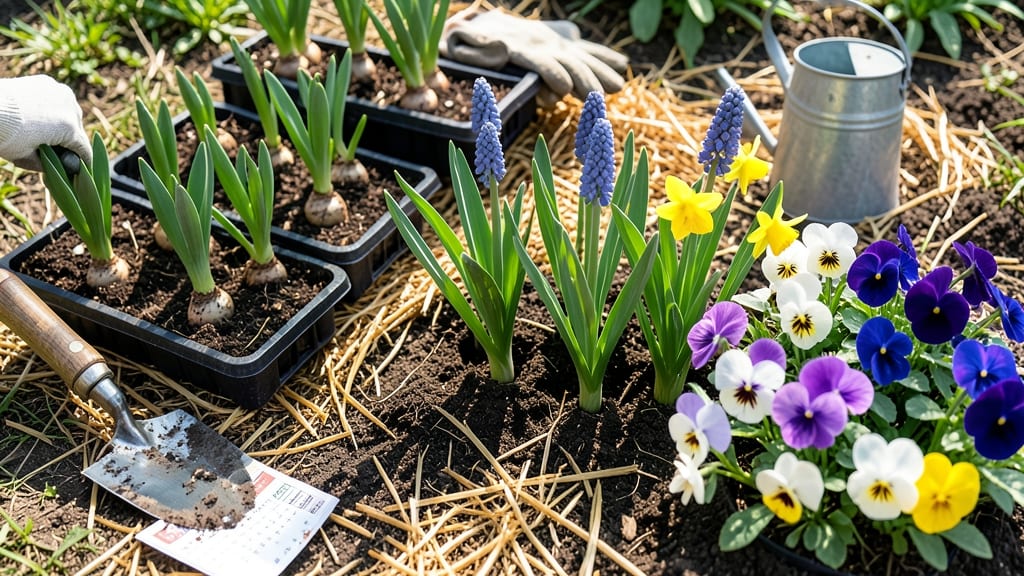
Timing your flower planting in New England can feel like a guessing game—one wrong move, and frost or heat ruins your blooms before they even begin. But with the right strategy, you can turn your garden into a vibrant 🌸 paradise that thrives despite the region’s unpredictable climate.
The key is understanding your specific zone—whether you’re in coastal Maine’s milder Zone 5a or Vermont’s cooler Zone 6b. Plant too early, and a late frost will nip your seedlings in the bud; too late, and you’ll miss peak blooms.
I’ll break down the exact windows for annuals, perennials, and bulbs so you can start confidently in early spring or late summer.
Microclimates play a huge role too—coastal areas warm faster than inland spots, and urban heat islands can shift planting dates by weeks. We’ll cover how to adjust for these variations, plus which cold-hardy flowers like coneflowers and black-eyed Susans perform best in your zone.
Ready to transform your garden? Let’s dive into the zone-specific planting schedule that’ll keep your flowers blooming from spring to fall—no more second-guessing, just stunning results.
New England flower planting dates by hardiness Zone (5-7)
Timing your flower planting in New England depends heavily on your USDA hardiness zone—whether you're in Zone 5 (northern Vermont, New Hampshire) or Zone 7 (southern Connecticut, coastal Massachusetts).
The last frost date shifts dramatically, from mid-April in Zone 5 to early May in Zone 7, while first frost arrives as early as mid-October in Zone 5 but lingers until late October in Zone 7.
These shifts mean your cool-season annuals and perennial blooms must be planted weeks apart depending on where you live.
For example, pansies and snapdragons can handle light frosts and may go in the ground 4-6 weeks before your last frost, while marigolds and zinnias need soil temperatures above 55°F and should wait until after Memorial Day in most zones. Bulbs like tulips and daffodils have their own timeline—plant them in fall (September-October) for spring blooms, but spring-blooming bulbs like crocuses can be tucked in as early as late summer.
Here’s a quick breakdown of how your planting schedule changes from Zone 5 to Zone 7, including adjustments for coastal microclimates (like Maine’s coast) where frost arrives later and inland areas (like Vermont’s highlands) where frost comes earlier.
Use this as your guide to avoid frost damage or missed bloom seasons.
If you’re in Zone 5, don’t rush to plant warm-season flowers like cosmos or sunflowers until after Memorial Day. These plants need consistent warmth to thrive, and planting too early can stunt their growth.
In Zone 7, you’ve got a slightly longer window, but late spring frosts can still sneak in—so keep row covers or frost cloth handy for delicate perennials
How microclimates in New England shift planting timing (coastal vs. inland)
New England’s diverse geography creates microclimates that can shift your flower planting dates by weeks—sometimes even months. Coastal areas like Maine and Massachusetts experience milder winters and later frosts, while inland regions like Vermont and New Hampshire face earlier freezes and colder soils.
Understanding these variations helps you avoid frost damage or missed blooming seasons.
For example, Portland, Maine (Zone 5b) often sees its last frost around May 10, while Burlington, Vermont (Zone 4b) might still have frost lingering until May 25. These differences matter when choosing cool-season flowers like pansies or warm-season varieties like zinnias.
Even within a single state, a mountain valley can be 2-3 weeks later than a nearby coastal plain.
🌡️ Key Microclimate Factors
🌊 Coastal Areas: Warmer winters, later frosts, and 3-4 weeks longer growing season than inland zones. Ideal for heat-loving annuals like marigolds and petunias. 🌡️ Avg. last frost: May 1-15
🏔️ Inland Highlands: Colder soils, earlier frosts, and shorter growing seasons. Prioritize cold-hardy perennials like coneflowers and black-eyed Susans. 🌡️ Avg. last frost: May 15-30
🏙️ Urban Heat Islands: Cities like Boston or Providence can be 5-10°F warmer than rural areas, delaying first frost by 1-2 weeks. Perfect for tender perennials like lavender or salvia.
Urban gardens often benefit from the urban heat island effect, where pavement and buildings trap heat, extending the growing season. If you’re in a city center, you can safely plant tender annuals like impatiens or begonias 2 weeks earlier than rural guidelines suggest.
Conversely, high-elevation gardens (like those in the White Mountains) may need to wait until June 1 for warm-season flowers to avoid frost.
To adjust your planting schedule, check your local USDA Zone and then fine-tune based on your specific location. For instance, coastal New Hampshire (Zone 5a) might align with Zone 6 inland areas for planting times. Use a frost-free date calculator (like the National Weather Service’s) to get hyper-local insights.
Pro tip: Observe your garden’s microclimate for 2-3 years to spot patterns—your yard might be warmer or colder than official averages!
For container gardening, microclimates matter even more since pots heat up faster in sun and cool down quicker in shade. Move potted flowers to sheltered spots at night if frost is forecasted, especially for tender varieties like geraniums.
In coastal zones, you might even overwinter tropical annuals like hibiscus in containers, while inland gardeners should treat them as seasonal plants.
Remember, native flowers thrive best in their natural microclimates. For example, New England asters (Zone 3-7) bloom reliably in both coastal and inland settings, while blanket flowers (Zone 5-9) may need protection in colder inland areas.
Always match your plant choices to your local conditions for the most low-maintenance blooms.
🌱