
Planting
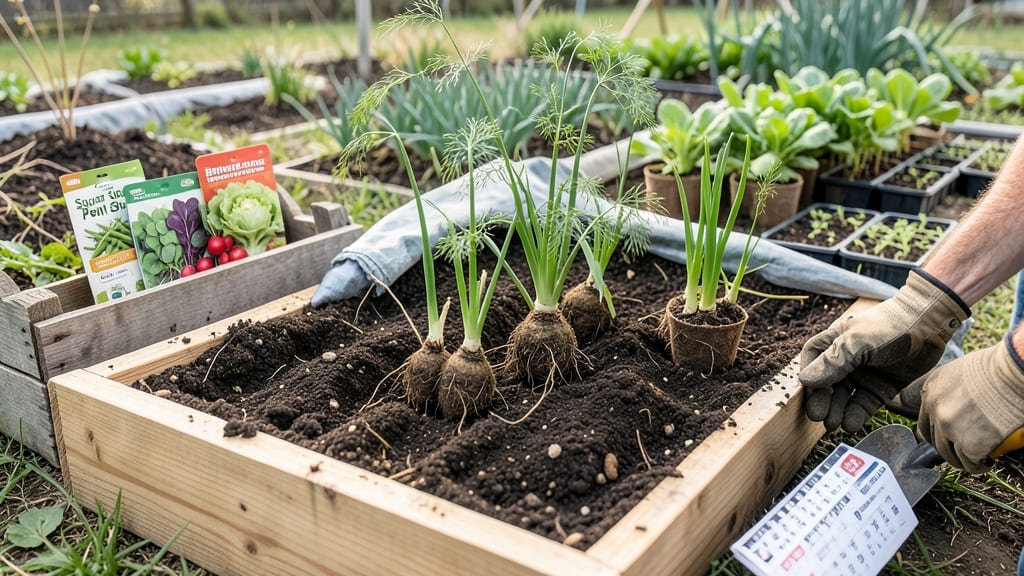
Timing your garden planting in Minnesota wrong can mean the difference between a thriving harvest and a sad pile of frost-nipped seedlings. With last frost dates shifting yearly and microclimates that vary dramatically across the state, knowing exactly when to plant is your secret weapon for success.
I’ve spent years watching Minnesota gardens transform from blank snow to lush green—and I’ve also seen the heartbreak of plants killed by unexpected late frosts.
The key isn’t just following a calendar; it’s understanding your specific corner of the state, whether you’re in the Twin Cities, the Arrowhead region, or somewhere in between.
In this guide, I’ll break down the microclimate-specific deadlines you need to know, from cool-season crops like spinach to heat-loving tomatoes. You’ll learn how to prepare your soil, time your transplants, and even stretch your growing season with simple tricks that work in Minnesota’s unpredictable climate.
Ready to turn your garden dreams into reality? Let’s get those seeds in the ground at the perfect moment—before Mother Nature decides to throw a curveball.
Minnesota’s planting zones: frost dates by region (2024 data)
Minnesota’s gardening success hinges on understanding its 5 distinct microclimates, each with unique frost dates and USDA hardiness zones. The state spans Zones 3-5, meaning last spring frosts can vary by 2-3 weeks between regions.
For example, the Arrowhead region (Zone 3) often sees frost until May 20, while the Southeast (Zone 5) typically warms up by May 5. These differences dramatically impact when you can safely plant cool-season crops like spinach or warm-season favorites such as tomatoes.
Historical frost data shows Minnesota’s first fall frost also varies wildly—from September 15 in the Northwest to October 10 in the Twin Cities metro area. This variability means your planting deadlines must account for both last frost dates and first frost risks.
For instance, planting peppers too early in Zone 3 could mean a frost-killed crop by July, while Zone 5 gardeners might miss the boat if they wait too long.
Here’s the critical insight: Microclimates within regions (like urban heat islands in Minneapolis or lake-effect zones near Duluth) can shift frost dates by 5-7 days. That’s why I always check local weather averages from the past 5 years—not just the USDA zone map.
For example, St. Paul’s urban core might be 2°F warmer than surrounding areas, giving it a 3-day head start on planting.
| Region | USDA Zone | Avg. Last Frost | Avg. First Frost | Frost-Free Days |
|---|---|---|---|---|
| Northwest (Fargo, Moorhead) | Zone 4a | May 15 | September 20 | 128 days |
| Metro (Minneapolis-St. Paul) | Zone 4b | May 10 | October 5 | 148 days |
| Twin Cities (Urban Heat Islands) | Zone 5a | May 5 | October 10 | 158 days |
| Southeast (Rochester, Winona) | Zone 5a | May 3 | October 15 | 165 days |
| Arrowhead (Duluth, International Falls) | Zone 3b | May 20 | September 15 | 118 days |
*Data based on 2019-2023 averages from MN State Climatology Office
To avoid frost damage, I recommend waiting until 2 weeks after the average last frost date before planting warm-season crops.
For example, in Zone 4a, that means May 29 for tomatoes, while Zone 5a gardeners can start as early as May 19. Cool-season crops like kale or peas, however, can handle light frosts and should go in 4-6 weeks before your last frost date.
This timing ensures they mature before summer heat sets in.
Another pro tip: Use local garden centers’ frost date guides—they often adjust for microclimates better than national averages. For instance, University of Minnesota Extension provides county-specific frost data that accounts for elevation changes (like the 100-foot rule: higher elevations frost 3-5 days earlier).
If you’re in doubt, err on the side of planting later—you can always use row covers to protect tender seedlings.
For perennials and ornamental plants, timing matters too. Planting shrubs in
Microclimate-specific planting deadlines for vegetables, flowers & herbs
Minnesota’s diverse microclimates mean your Twin Cities garden might have 2-3 weeks earlier planting windows than Northern Minnesota. Warm-season crops like tomatoes and peppers need soil temps above 55°F—waiting for late May to early June in most regions.
Cool-season crops like spinach and kale thrive when planted 4-6 weeks before last frost (March-April in Southeast MN, May in Arrowhead).
Herbs like basil and cilantro are finicky—basil needs warm soil (after May 15 in Metro areas) while cilantro bolts in heat, so plant it early spring or late summer. Flowers like marigolds and sunflowers tolerate cooler soil, giving you a 3-week head start over vegetables.
Here’s your region-specific planting timeline for vegetables, flowers, and herbs, accounting for Minnesota’s short growing season:
| Region | Cool-Season Crops (Spinach, Peas) | Warm-Season Crops (Tomatoes, Peppers) | Flowers/Herbs (Marigolds, Basil) |
|---|---|---|---|
| Southeast MN (Zone 4b) | March 15 - April 15 | May 1 - May 15 | April 1 - May 10 |
| Twin Cities (Zone 4a) | April 1 - April 30 | May 10 - May 25 | April 15 - May 15 |
| Northwest MN (Zone 3b) | May 1 - May 15 | June 1 - June 10 | May 10 - June 1 |
| Arrowhead (Zone 3a) | May 15 - June 1 | June 15 - July 1 | June 1 - June 15 |
For succession planting, repeat warm-season crops every 2-3 weeks until July 15 (Southeast) or August 1 (Northwest). Leafy greens like lettuce can handle fall planting until August 15 in most zones—just aim for 60 days to maturity before first frost.
Pro tip: Use row covers to plant warm-season crops 2 weeks earlier in cool regions. I’ve seen tomatoes thrive in Northwest MN when started under cover in late April! Just remove covers when plants are 6 inches tall to avoid heat stress.
Herbs like dill and parsley are biennials—plant them early spring for first-year foliage and second-year flowers. Perennial flowers like coneflowers should go in early May to establish roots before summer heat.
Track your local frost dates using the MN State Climatology Office—their 2024 updates may shift deadlines by 1-2 weeks from historical averages. Adjust for elevation: Gardens 500+ feet above sea level (common in Arrowhead) get cooler soil—plant 2 weeks later than valley regions.