
Plants
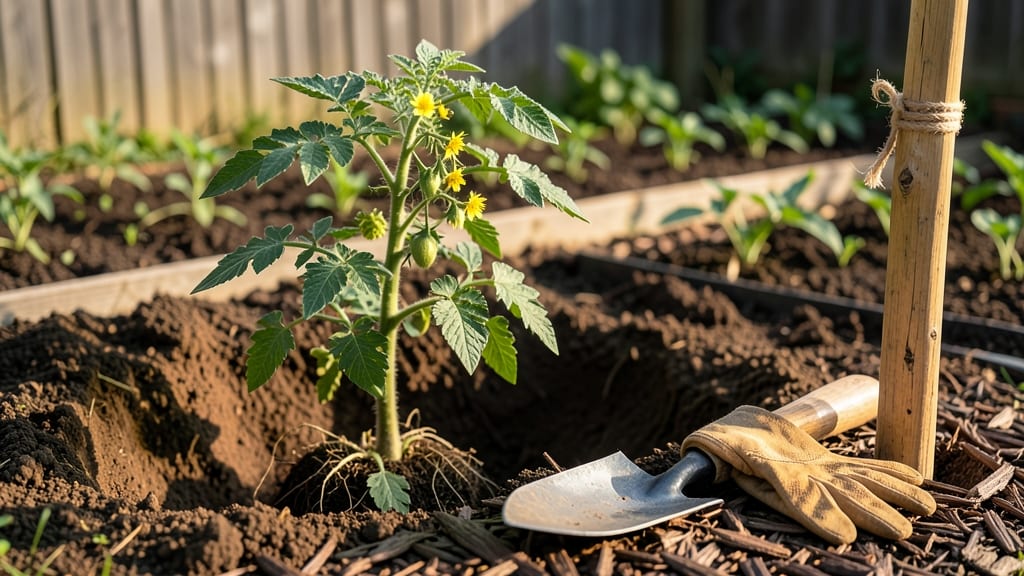
Planting tomatoes in Oklahoma isn’t just about grabbing seeds and sticking them in the dirt—it’s about timing your 🍅 harvest to dodge late frosts while embracing the state’s unpredictable heat.
Get it wrong, and you’ll watch your plants wilt before they even fruit, or struggle through scorching summers with stunted growth.
I’ve learned the hard way that Oklahoma’s microclimates—from the cooler Panhandle to the humid Southeast—demand precision. Whether you’re starting seeds indoors or transplanting seedlings, knowing when to plant (and which varieties thrive in your zone) makes all the difference between a bumper crop and a disappointing season.
In this guide, I’ll break down the exact windows for planting tomatoes in your part of Oklahoma, from soil temperature checks to heat-tolerant variety picks. You’ll also discover how to adjust for early or late seasons, so you can enjoy homegrown tomatoes from June through November—no matter where you garden.
Ready to turn your backyard into a tomato powerhouse? Let’s get started with the timing secrets that’ll keep your plants happy and your harvests plentiful.
Oklahoma’s tomato planting zones by microclimate: exact start dates by region
Oklahoma’s diverse climate zones create distinct tomato planting windows—from the cool Panhandle to the hot Southeast. Timing isn’t one-size-fits-all; your last frost date and soil temperature (ideally 60°F+) determine success.
Indeterminate varieties (like 'Celebrity') need extra time to mature, while determinate types (like 'Roma') tolerate Oklahoma’s late-summer heat better.
I’ve broken down USDA zones 6b-8a into five microclimates, with exact transplant windows and seed-starting deadlines to avoid frost damage. Pro tip: Use black plastic mulch to warm soil faster in cooler zones like the Panhandle. For heat zones (South/Southeast), focus on heat-tolerant varieties like 'Solar Fire' or 'Heatmaster'.
📋 Key Timing Rules for Oklahoma:
- Start seeds indoors 6-8 weeks before last frost
- Transplant seedlings 2-3 weeks after last frost
- Soil must stay above 60°F for 2+ weeks before planting
- Fall planting works in zones 7b-8a (August-September)
In the Panhandle (zones 6b-7a), late frosts can linger until mid-April, so I recommend starting heat-loving varieties like 'Mountain Merit' indoors by March 1. Use row covers for early transplants to protect against unpredictable cold snaps.
For Central Oklahoma (zones 7a-7b), you’ve got a 2-week window between North and South regions—perfect for heirloom tomatoes like 'Brandywine' that thrive in moderate heat.
Southern Oklahoma’s earlier last frosts (as early as late February in the Southeast) let you plant heat-tolerant varieties like 'Solar Fire'
How to adjust planting timing for early vs late varieties in Oklahoma’s heat
Oklahoma’s unpredictable spring frosts and scorching summer heat demand a strategic approach to tomato planting. Early varieties like 'Stupice' thrive in cooler temperatures, while late-season picks like 'Solar Fire' handle Oklahoma’s 100°F+ days like champions. The key? Matching your planting timeline to each variety’s tolerance—and Oklahoma’s microclimates.
For early varieties, I start seeds indoors 8-10 weeks before the last frost date (late March in southern OK, early April in northern areas). These cold-hardy tomatoes need time to establish roots before Oklahoma’s spring temperature swings arrive.
Meanwhile, heat-tolerant late varieties can wait until after May 1—when soil temps hit 70°F+—to avoid blossom drop in the heat.
- Early Varieties (e.g., 'Stupice'): Start seeds indoors March 1-15 (8-10 weeks before last frost). Transplant April 15-30 when soil is 60°F+.
- Mid-Season Varieties (e.g., 'Celebrity'): Start seeds indoors March 15-April 1. Transplant May 1-15 after last frost.
- Late Varieties (e.g., 'Solar Fire'): Start seeds indoors April 15-May 1. Transplant May 15-June 1 for heat tolerance.
- Succession Planting: Sow new seeds every 2 weeks from April to June for continuous harvests.
- Fall Planting: Transplant August 1-September 15 for late-season tomatoes before first frost.
My secret weapon for Oklahoma’s heat? Succession planting. By staggering plantings every 2 weeks from April to June, I ensure a continuous harvest through October. For example, I plant 'Early Girl' in early April for June harvests, then 'Better Boy' in late May for August-September production.
This extends the growing season by up to 3 months.
Don’t overlook heat-tolerant varieties like 'Heatmaster' or 'Solar Fire', which can handle Oklahoma’s intense summer sun without wilting. These varieties thrive when planted after May 15, avoiding the blossom drop that plagues traditional tomatoes in June’s heat.
I’ve seen 'Solar Fire' produce fruit even when temps hit 105°F!
For fall planting, I never wait past September 15—Oklahoma’s first frost can arrive as early as late October in northern regions. Instead, I focus on fast-maturing varieties like 'Early Girl' or 'Patio' (dwarf) for a late-season harvest.
Black plastic mulch is my go-to for warming soil and protecting young plants from erratic fall temps.
Pro tip: Use row covers for early plantings to protect from late frosts while allowing sunlight. And always harden off seedlings for 7-10 days before transplanting—Oklahoma’s wind and temperature swings can shock tender plants. With these adjustments, you’ll maximize your tomato harvest from spring to fall! 🌿