
Plants
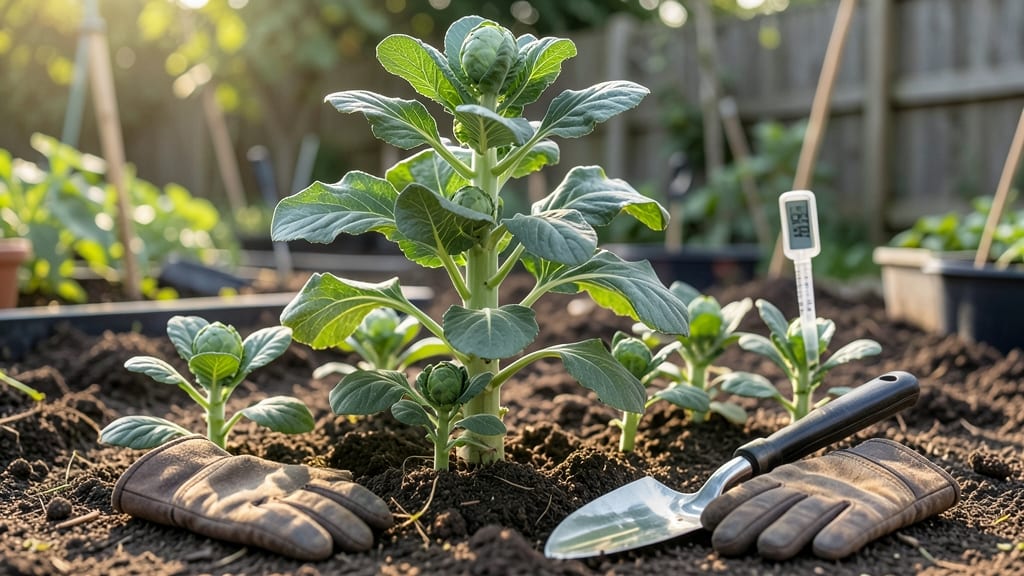
Planting Brussel sprouts in Kansas isn’t just about following a calendar—it’s about outsmarting the state’s unpredictable frost dates and short growing season.
With an average last frost on April 15 and first frost creeping in by October 15, timing your 🥦 planting window can mean the difference between a thriving harvest and wasted effort.
Most Kansas gardeners focus on spring planting, but fall offers a second chance for a hearty crop. The key is starting seeds 4-6 weeks before your first frost—whether that’s mid-March for spring or late July for fall—to give your plants enough time to mature before winter sets in.
In this guide, I’ll break down the exact planting windows for Kansas’ USDA Zone 6a, including microclimate adjustments for cities like Wichita and Kansas City.
You’ll also learn how to extend your growing season with simple tricks like row covers and mulching—so you can enjoy fresh 🥦 from your garden well into November.
Ready to avoid common mistakes and maximize your harvest? Let’s dive into the best times to plant—and how to protect your crop from Kansas’ tricky weather patterns.
Kansas microclimate planting zones: best start dates by region
Kansas gardeners know that Brussels sprouts love the state’s cool nights and long growing season, but microclimates create big differences in timing. Whether you're in Kansas City, Wichita, Topeka, or rural areas, soil temperature and frost dates dictate when to plant for maximum yield.
Let’s break down the best start dates and soil temperature thresholds to ensure your Brussels sprouts thrive.
For Brussels sprouts, the key is planting 4-6 weeks before the first frost in fall or as early as possible in spring for a fall harvest.
Kansas’ USDA Zone 6a averages a last frost date of April 15 and a first frost around October 15, but urban areas like Kansas City often experience earlier frosts due to heat islands. Rural areas may have 1-2 weeks later frost dates, giving you a slightly longer window.
Soil temperature is just as critical as air temperature. Brussels sprouts germinate best in soil that’s at least 45°F (7°C), but ideal transplanting soil temps are between 50°F (10°C) and 70°F (21°C).
In Kansas, this typically means waiting until mid-April for spring planting or late July for fall planting. Let’s compare the best start dates by region to help you avoid common timing mistakes.
Comparison Table: Kansas Microclimate Planting Zones for Brussels Sprouts
In Kansas City, where the urban heat island effect can delay spring warming, aim to plant Brussels sprouts by early April for a fall harvest. The city’s shorter frost-free window (150-160 days) means you’ll need to prioritize fall planting for the best yields.
Use row covers or cold frames to extend your season if you’re eager to start earlier.
For Wichita’s drier climate, focus on late July to early August for fall planting. The 160-170 frost-free days give you a bit more flexibility, but mulching is essential to retain moisture and regulate soil temperature. Brussels sprouts hate dry soil, so drip irrigation or
How to extend your Brussels sprout season in Kansas
Kansas’ short growing season doesn’t have to limit your Brussel sprout harvest. With the right strategies, you can push your planting windows earlier in spring and later into fall—adding 4-6 extra weeks of growing time.
The key is using season-extending tools like cold frames, row covers, and mulching to protect tender seedlings from late frosts and early cold snaps.
For spring plantings, I recommend starting seeds indoors 6-8 weeks before your last frost date (around February 15 for most of Kansas). Use a grow light or sunny windowsill to keep seedlings strong until transplanting in early April.
If you’re planting directly outdoors, opt for cold-hardy varieties like 'Long Island Improved' and cover seedlings with frost cloth until soil warms to 45°F.
Fall plantings benefit most from season extension. Sow seeds outdoors late July to early August for a harvest before winter. Use black plastic mulch to warm soil and row covers to protect plants from light frosts.
In rural areas with cooler microclimates, consider planting 8-10 weeks before your first frost—around September 1—to maximize growth before winter sets in.
🌱 Top 5 Season-Extension Strategies
- Cold Frames: Extend spring by 3-4 weeks; keep soil temps at 50-60°F.
- Row Covers: Protect seedlings from 28°F+ frosts; remove during heatwaves.
- Black Plastic Mulch: Warms soil 5-10°F faster than bare ground.
- Straw Mulch: Insulates roots; prevents soil heaving in winter.
- Frost Cloth: Adds 4-8°F protection; use for light frosts (28-32°F).
Don’t overlook soil preparation as part of your season-extension plan. Amend garden beds with compost and aged manure in early spring to improve drainage and fertility. Brussels sprouts thrive in slightly acidic soil (pH 6.0-7.0), so test your soil in fall and adjust with lime or sulfur as needed.
A well-prepared bed helps plants establish faster, giving you more time to harvest before winter.
For late-season harvests, focus on harvest timing. Start picking lower sprouts first (they mature earliest) to extend the harvest window. Use a sharp knife to cut sprouts 1 inch above the stem—this encourages more buds to form.
If frost threatens, cover plants with row covers or blankets and harvest within 2-3 days to salvage your crop.
With these strategies, you can enjoy Brussel sprouts from late summer through November—or even overwinter them for an early spring harvest. The key is planning ahead and using tools to protect your plants from Kansas’ unpredictable frost patterns. 🌿