
Plants
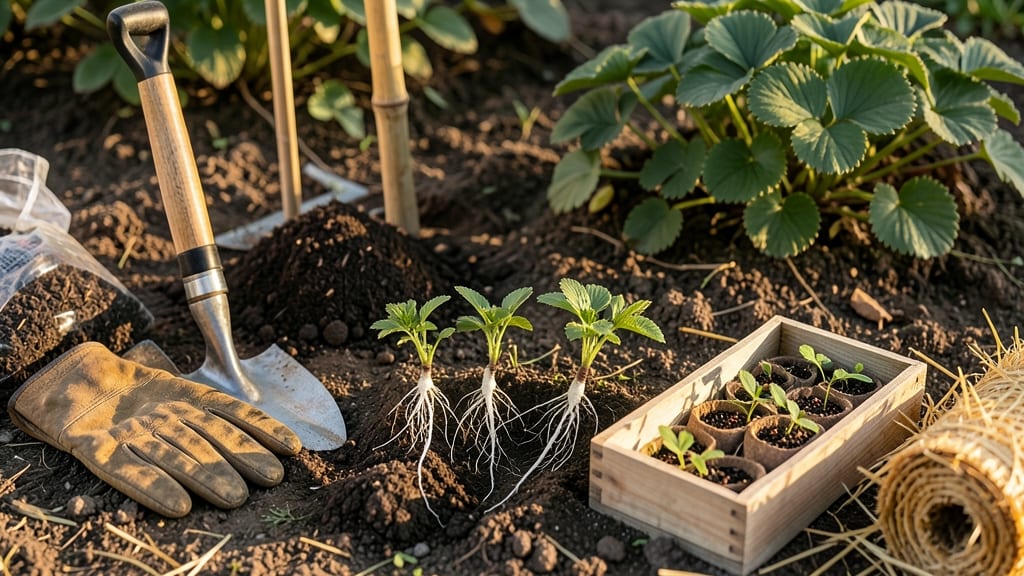
Planting strawberries in Ohio at the wrong time means risking frost damage or missing your harvest window entirely—especially when June-bearing varieties need precise timing to thrive in Zone 6a.
The key to success lies in knowing whether to plant in early spring or early fall, and how local microclimates shift those deadlines by weeks.
Ohio’s frost dates can vary dramatically from southern counties to northern regions, making a one-size-fits-all approach dangerous. Whether you’re growing everbearing varieties for continuous harvests or day-neutral types that stretch your season, timing matters more than you might think.
In this guide, I’ll break down the exact planting windows for Ohio—from March-April for spring plantings to September-October for fall—plus how to protect your plants if frost sneaks in early. You’ll also learn which varieties handle Ohio’s climate best and how to prep your soil for maximum sweetness.
Skip the guesswork and get ready for a bountiful harvest by planting your 🍓 at the perfect moment, tailored to your corner of Ohio. Let’s dive into the details that’ll make all the difference.
Ohio’s frost-free planting zones: exact months by region for strawberry success
Ohio’s three distinct microclimates create unique frost-free windows for strawberries. Southern Ohio’s Zone 6 enjoys a longer growing season, while northern Ohio’s Zone 5 demands earlier planting. Central Ohio (Zone 5b-6a) falls in between. Understanding these zones ensures your strawberries thrive without frost damage.
Your last average frost date determines when to plant. In Ohio, this ranges from mid-April in southern regions to late April in northern areas. Using these dates as your guide prevents frost from killing tender new growth.
For example, planting in early March in southern Ohio risks frost, while waiting until mid-April in northern Ohio ensures safety.
| Region | USDA Zone | Last Avg. Frost | First Avg. Frost | Best Planting Window | Harvest Window |
|---|---|---|---|---|---|
| Southern Ohio | Zone 6 | April 15 | October 20 | March 15–April 15 | June–July |
| Central Ohio | Zone 5b-6a | April 1–April 15 | October 10–October 15 | April 1–April 15 | June–July |
| Northern Ohio | Zone 5 | April 15–April 30 | October 5–October 10 | April 15–May 1 | June–July |
For fall planting, aim for September 1–October 1 in southern Ohio and August 15–September 15 in northern Ohio. Fall-planted strawberries establish roots before winter, producing fruit the following year. However, avoid planting after September 15 in northern Ohio, as roots won’t harden enough before frost.
Verify your local frost dates using the NOAA Climate Data tool. Enter your ZIP code to access historical frost records and adjust planting dates accordingly. For example, if your area experiences frost 10 days later than the average, shift your planting window by 10 days.
This precision ensures your strawberries avoid frost damage.
Soil temperature also matters. Strawberries need soil at least 40°F for root growth. Use a soil thermometer to confirm readiness. In northern Ohio, wait until soil reaches 45°F to ensure faster establishment. In southern Ohio, you can plant earlier, even if soil is slightly cooler.
Consider bare-root vs. potted strawberries when timing your plantings. Bare-root plants should be planted as soon as soil is workable, typically 2–4 weeks before the last frost date. Potted strawberries, however, can handle slightly cooler soil and offer more flexibility in your planting schedule.
Extend your growing season with row covers or cold frames. These tools allow you to plant 2–3 weeks earlier in spring or 2 weeks later in fall. For example, in northern Ohio, you might plant April 1 under row covers instead of waiting until April 15.
Always remove covers during the day to prevent overheating.
Stagger your plantings by 2–3 weeks to enjoy a continuous harvest. For instance, plant half your strawberries in early April and the rest in mid-April. This strategy ensures some plants are always producing fruit, maximizing your yield throughout the season.
Monitor local weather forecasts closely in April and October, when frost risk is highest. Set up frost alerts on your phone to receive warnings. If frost is predicted, cover plants with lightweight row fabric or a plastic milk jug (cut in half) to protect tender foliage.
How to extend your strawberry season: cold-hardy varieties and frost protection hacks
Ohio’s unpredictable frosts can devastate strawberry plants if you’re not prepared. The good news? With the right cold-hardy varieties and frost protection strategies, you can extend your harvest well beyond the typical June-July window.
I’ve grown strawberries in Ohio’s Zone 5-6 for years, and these methods have kept my plants thriving even when temperatures dip below 28°F.
First, let’s talk varieties. Not all strawberries handle Ohio’s late-spring frosts equally. June-bearing types like 'Jewel' produce one massive harvest but need protection. Everbearing varieties like 'Seascape' give you multiple flushes but struggle in deep freezes. Meanwhile, day-neutral types like 'Honeoye' keep producing all season—if you shield them from frost.
For maximum protection, I recommend a multi-layered approach combining mulching, row covers, and cloche tunnels. Each method has trade-offs, so I’ll break down the pros and cons to help you choose what works best for your garden setup and budget.
Frost Protection Methods: Pros & Cons
Row Covers
- Pros: Affordable, reusable, protects entire beds
- Cons: Can overheat plants if left too long
Cloche Tunnels
- Pros: Highest frost protection, extends season
- Cons: Expensive, labor-intensive setup
Mulching
- Pros: Low-cost, improves soil health
- Cons: Less effective for hard freezes
My favorite budget-friendly solution is straw mulch (6-8 inches thick) combined with floating row covers. The mulch insulates roots from temperature swings, while the row covers block 28°F+ frosts.
For hard freezes below 25°F, I add mini hoop tunnels covered with clear plastic—this can raise temperatures by 10-15°F.
Another pro tip: stagger your plantings by 2-3 weeks. Plant 1/3 of your bed in early March, another 1/3 in mid-April, and the final third in early May. This ensures you’ll have continuous harvests from June through August, even if one planting gets hit by frost.
For fall plantings, aim for late August to early September—this gives plants time to establish roots before winter.
Remember, prevention is key. Monitor your local frost forecasts using NOAA’s Climate Data or apps like Frostwatch. If frost is predicted within 48 hours, cover your plants immediately. With these strategies, you’ll enjoy sweet, homegrown strawberries well into Ohio’s fall season—or even next spring! 🍓