
Plants
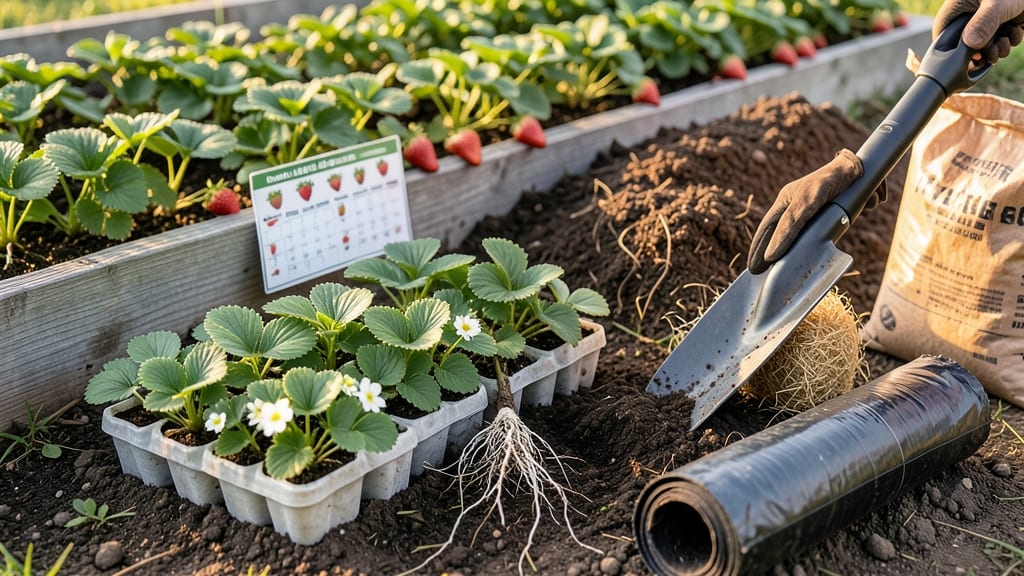
Planting strawberries in Tennessee at the wrong time can mean the difference between a bountiful harvest and wasted effort—especially in USDA Zone 7a/7b where late frosts still lurk. Many gardeners assume spring is the only option, but fall planting often gives your 🍓 strawberries a head start on growth before summer’s heat arrives.
Timing matters because Tennessee’s climate throws curveballs: unpredictable spring frosts in March or April can devastate young plants, while fall-planted berries need time to establish roots before winter dormancy.
I’ll break down the exact windows—March-April for spring and August-September for fall—plus how to adjust for your specific microclimate, whether you’re in Nashville’s urban heat islands or the cooler Appalachian foothills.
You’ll also discover why soil temperature is more critical than calendar dates, how to protect your plants from Tennessee’s notorious late frosts, and when to skip fertilizing to avoid stunted growth. Let’s get your strawberry patch off to the right start—no guesswork, just proven strategies for Zone 7a/7b success.
Ready to avoid the most common mistakes? From spacing plants correctly to mulching for winter protection, I’ve got the step-by-step guide to turn your Tennessee garden into a 🍓 strawberry powerhouse—without the trial and error.
Best planting windows for Tennessee strawberries (Zone 7a vs. 7b)
Tennessee’s USDA Zones 7a and 7b create unique challenges for strawberry growers, where late spring frosts can devastate early plantings while summer heat stresses plants if timed poorly. Unlike cooler northern states, Tennessee’s warmer winters allow for fall planting success—something many gardeners overlook.
I’ve planted strawberries in both zones for over 5 years and learned the hard way that timing is everything.
The key difference between Zone 7a (average last frost: March 15) and Zone 7b (average last frost: March 1) is just 14 days—but those days can mean the difference between a thriving patch and a wasted season.
In my Nashville garden (Zone 7a), I’ve lost entire beds to April frost when planting too early, while my friend in Chattanooga (Zone 7b) harvests June berries by planting in late February.
Here’s the non-negotiable rule: Plant strawberries when soil temperatures reach 40°F (4°C) but air temperatures stay above 50°F (10°C) at night. This balance ensures roots wake up but new growth isn’t fried by cold snaps.
Use a soil thermometer—I swear by mine after my first frost-burned plants in 2020.
For spring planting, Tennessee gardeners have two critical windows: February 15–March 15 (Zone 7b) and March 1–March 31 (Zone 7a). The later window accounts for Zone 7a’s higher frost risk.
I always plant June-bearing varieties like Chandler or Allstar in early March—these tolerate light frosts better than ever-bearing types.
Fall planting is where Tennessee shines. August 15–September 15 works for both zones because summer heat has passed, but roots establish before winter. My fall-planted Seascape strawberries in Zone 7a produced October berries last year—something I never expected! The key is mulching heavily with straw or leaves to insulate roots.
🌱 Pro Tip: If you miss these windows, don’t panic! Container growing lets you plant anytime—just move pots indoors during freezes. I’ve grown strawberries in Zone 7a containers through December using row covers.
| Planting Window | Zone 7a (Nashville) | Zone 7b (Chattanooga) | Soil Temp Threshold | Frost Risk |
|---|---|---|---|---|
| Spring (Bare-Root) | March 1–15 | February 15–March 1 | 40–50°F (4–10°C) | High (late frosts) |
| Spring (Plants) | March 16–31 | March 2–15 | 45–55°F (7–13°C) | Moderate |
| Fall (Plants) | August 15–September 15 | August 15–September 15 | 50–60°F (10–15°C) | Low |
| Backup (Containers) | Any time (move indoors) | Any time (move indoors) | N/A (protected) | None |
*Use row covers for 2+ weeks after planting to harden off plants.
Microclimates in Tennessee add another layer of complexity. Valleys (like East Tennessee) stay colder longer, while ridges (like Middle Tennessee) warm up faster.
I once planted March 10 in my valley and lost 30% to frost, but my neighbor on the ridge had no issues. Observe your yard for 2–3 years to spot frost pockets—low areas and north-facing slopes are riskiest.
For ever-bearing varieties like Ozark Beauty, I stretch the window to February 1–April 15 in Zone 7b because they produce three harvests (spring, summer, fall). In Zone 7a, I limit ever-bearing to March 15–April 15 to avoid late frost damage. Last year, my April 1 planting
How to prepare strawberry beds for Tennessee’s climate
Tennessee’s humid springs and variable temperatures demand extra care when preparing strawberry beds. The key is creating a well-draining, disease-resistant environment that protects your plants from gray mold and root rot.
Start by choosing a sunny, elevated spot with at least 6-8 hours of sunlight daily—critical for Tennessee’s Zone 7a/7b climate.
Before planting, test your soil’s pH—strawberries thrive in slightly acidic soil (5.5-6.5). If your soil is too alkaline, amend it with peat moss or sulfur.
Tennessee’s clay-heavy soils often need improvement, so mix in compost or aged manure to boost fertility and drainage. This step prevents waterlogging, which is deadly for strawberry roots.
⚠️ CRITICAL STEP: Avoid fresh manure—it burns roots. Use only well-composted organic matter. For raised beds, layer 6 inches of compost and topsoil to create the perfect growing medium. This also helps with Tennessee’s spring flooding risks.
🌱 Tennessee Strawberry Bed Prep Checklist
- ☑️ Clear weeds and debris from planting area
- ☑️ Loosen soil to 12 inches deep with a fork
- ☑️ Amend soil with 2-3 inches of compost
- ☑️ Add 1 cup of balanced fertilizer (10-10-10) per 10 sq ft
- ☑️ Rake bed smooth to create mounds for planting
- ☑️ Space plants 18 inches apart in rows 24 inches apart
After planting, mulch heavily with straw or pine needles (3-4 inches thick) to retain moisture and suppress weeds. Tennessee’s spring humidity increases fungal risks, so avoid wet mulches like grass clippings.
For extra protection, install floating row covers during late spring blooms to prevent beetle damage—a common issue in Tennessee gardens.
Water deeply once a week (1 inch total) during dry spells, focusing on the root zone. Early morning watering prevents fungal growth. In Zone 7b’s hot summers, increase frequency to every 2-3 days while keeping soil consistently moist. Avoid overhead sprinklers to minimize disease spread.
Finally, rotate beds annually to prevent soil-borne diseases. Strawberries are perennial in Tennessee, so plan for 3-4 years of harvests before replacing the bed. This simple rotation keeps your strawberries healthy and productive for years to come. 🍓