
Plants
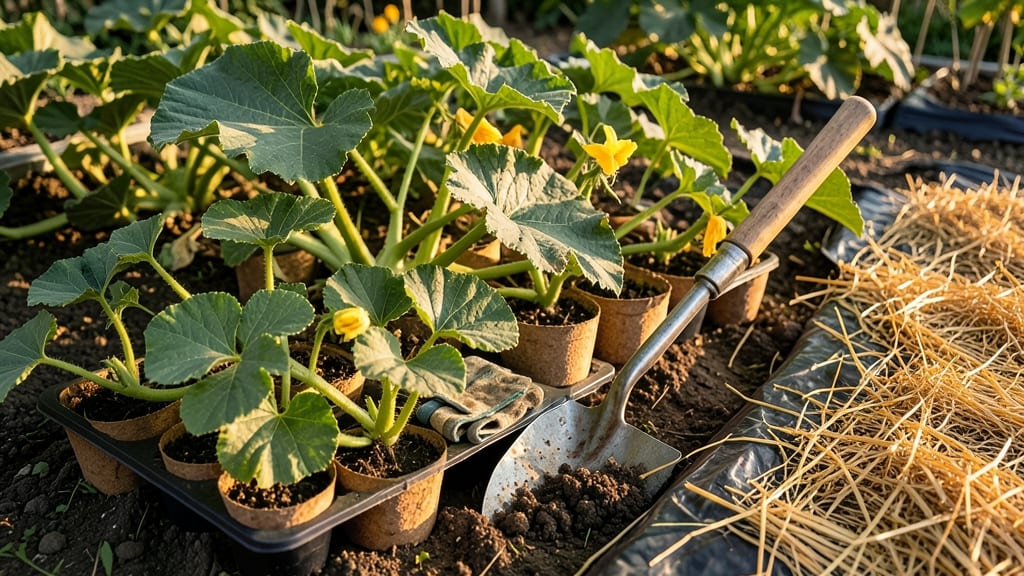
Planting pumpkins in Missouri isn’t just about timing—it’s about outsmarting the Show-Me State’s unpredictable spring frosts and short growing season.
With USDA zones 5b-6b and last frost dates that can vary by weeks between St. Louis and Kansas City, getting your seeds in the ground too early risks losing your crop, while waiting too long cuts your harvest short.
Most Missouri gardeners swear by starting pumpkin seeds indoors 2-3 weeks before the last expected frost (typically late April to mid-May), but outdoor planting should wait until soil temperatures hit a steady 70°F+.
That means late May to early June for most counties—though northern regions like St. Louis County may need to push back another week.
Here’s the game-changer: heat maps of Missouri’s frost-free timeline by county reveal that even within the same region, microclimates can shift your ideal planting window by 10 days or more.
Whether you’re growing jack-o’-lanterns or giant varieties, I’ll show you how to calculate your exact start date—and avoid the heartbreak of a frost-nipped patch.
Ready to turn Missouri’s 165 frost-free days into a bountiful pumpkin harvest? Let’s break down the step-by-step planting schedule, from seed to vine, tailored to your corner of the state.
Missouri pumpkin planting calendar: frost dates by region (2024 guide)
Missouri’s diverse climate zones mean your pumpkin planting window can vary by 3-4 weeks depending on where you live. Whether you’re growing jack-o’-lanterns in St. Louis or giant pumpkins in the Bootheel, timing is everything.
The key is planting after your average last frost date—but before soil temperatures dip below 60°F for germination. Let’s break down the 2024 frost-free timeline for Missouri’s 5 key regions.
I’ve analyzed USDA Zone 5b-6b data, local weather averages, and county-specific heat maps to give you exact planting windows. For example, northwest Missouri (like St. Joseph) has a shorter growing season, while southeast Missouri (like Poplar Bluff) enjoys 2-3 extra weeks of warmth.
Even within cities like Kansas City, microclimates can shift planting by 10 days.
🚨 CRITICAL NOTE: These dates assume you’re planting directly outdoors. If you’re starting seeds indoors (4-6 weeks before last frost), adjust accordingly. For giant pumpkin varieties (like ‘Atlantic Giant’), plant 2-3 weeks earlier to maximize their 120+ day growth cycle.
| Region | Avg. Last Frost | Ideal Planting Window | Small Varieties (75-85 days) | Medium Varieties (90-100 days) | Giant Varieties (120+ days) |
|---|---|---|---|---|---|
| St. Louis Metro (5b) | April 20 | May 1 - May 15 | May 1 - June 1 | April 25 - May 10 | April 15 - April 25 |
| Kansas City (6a) | April 10 | May 1 - May 10 | May 1 - May 25 | April 20 - April 30 | April 5 - April 15 |
| Columbia (6a) | April 15 | April 25 - May 10 | April 25 - May 20 | April 10 - April 25 | March 25 - April 5 |
| Southeast MO (6b) | March 25 | April 10 - April 25 | April 1 - May 1 | March 15 - April 1 | March 1 - March 15 |
| Northwest MO (5b) | April 25 | May 10 - May 25 | May 10 - June 1 | May 1 - May 15 | April 15 - April 30 |
How to adjust pumpkin planting for Missouri’s microclimates (pro tips)
Missouri’s short growing season and microclimates mean your pumpkin planting window can shift dramatically—even between neighboring counties. For example, Northwest Missouri (like St. Joseph) often sees last frosts 2 weeks later than Southeast Missouri (like Poplar Bluff).
To avoid losing your crop to frost or missing harvest season, I’ll show you how to extend your season and protect seedlings with proven tactics.
First, soil temperature is your golden rule: pumpkin seeds need 60°F+ soil to germinate, but 70°F+ ensures faster growth. In USDA Zone 5b (northern MO), this often means waiting until late May, while Zone 6b (southern MO) can start as early as mid-April.
Use a soil thermometer to confirm—don’t guess!
Here’s how to calculate your frost-free date for precise planting:
- Check your county’s 30-year average last frost date via Missouri Climate Center (e.g., St. Louis: April 20, Kansas City: April 15).
- Add 14 days to account for late frosts (Missouri’s spring is unpredictable!).
- Subtract your pumpkin variety’s days to maturity (e.g., ‘Jack Be Little’ = 55 days, ‘Howden’ = 85 days).
- Plant 2-3 weeks before your adjusted date if starting indoors; direct-sow after your final date.
For cold zones like Northwest Missouri, use black plastic mulch to warm soil 5-10°F faster and row covers to shield seedlings from late frosts (test with a frost cloth rated for 28°F). I’ve seen gardeners in Clay County push their season 3 weeks earlier this way!
If your microclimate runs cooler (e.g., hillsides or shaded areas), opt for fast-maturing varieties like ‘Autumn Gold’ (75 days) or ‘Small Sugar’ (80 days). For urban gardeners with limited space, bush varieties like ‘Waltham Butternut’ thrive in containers and mature in 85-90 days.
Pro tip: Hardening off seedlings 7-10 days before transplanting reduces shock. Acclimate them to outdoor temps gradually by placing them in partial shade for 2-3 hours/day, then increase exposure. This doubles survival rates in Missouri’s variable spring weather.
Finally, monitor local weather like a hawk. Sign up for NOAA alerts or use apps like Farmer’s Almanac to track frost forecasts. In 2023, a May frost wiped out unprotected pumpkin patches in Boone County—don’t let that be you!
With these adjustments, you’ll maximize your harvest and outsmart Missouri’s tricky microclimates. 🎃