
Plants
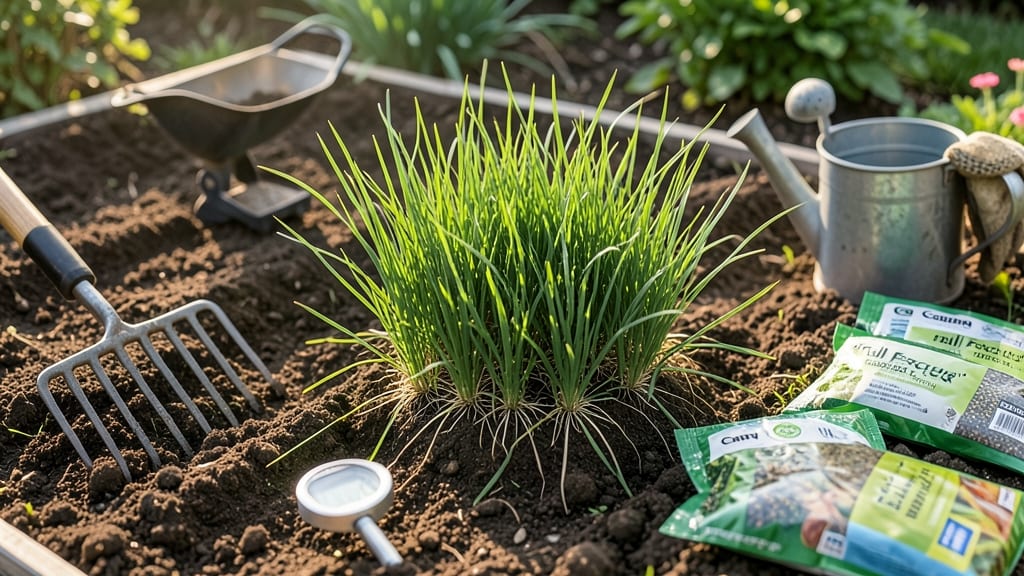
Timing your spring grass planting just right can transform that patchy, uneven lawn into a vibrant, envy-worthy yard—but get it wrong, and you're stuck with sparse, struggling 🌱 grass for months.
In USDA Zone 6, where I live, the ideal window opens when soil temperatures hit 50°F and stays reliably above freezing. That usually means late March or early April, but frost dates and your grass type (cool-season vs. warm-season) change everything.
Let’s break down the exact steps to plant at the perfect moment.
You’ll learn how to check soil temps, when to adjust for early/late frosts, and which grass seeds thrive in spring’s unpredictable weather. Skip the guesswork and plant with confidence—your lawn will thank you.
Whether you’re seeding or laying sod, these insights will help you avoid common mistakes like planting too early (and watching seeds rot) or too late (and missing the growing season). Let’s get your grass off to the best possible start.
Ideal soil temperature for planting grass in spring
When it comes to planting grass in spring, soil temperature is the single most critical factor—more important than air temperature or frost dates. Grass seeds need consistent warmth to germinate, but planting too early in cold soil can cause seeds to rot or fail to sprout.
For cool-season grasses (like Kentucky bluegrass or fescue), the sweet spot is 50°F to 60°F, while warm-season grasses (like Bermuda or Zoysia) prefer 65°F to 75°F.
In my USDA Zone 6 garden, I’ve learned that waiting for soil to warm to 55°F before seeding cool-season grass gives my lawn the best start. Use a soil thermometer (available for under $10) to check temps at a 4-inch depth—that’s where the action happens for grass roots.
If you’re unsure, dig a small hole, add a thermometer, and wait 20 minutes for an accurate reading.
Regional variations matter too. Northern states like Minnesota or Maine may need to wait until late April or May, while Southern states like Texas or Florida can plant as early as February. Always check your local USDA Plant Hardiness Zone and historical frost data to adjust your timeline.
Pro tip: If your soil is still too cold, don’t rush! Cover your seeded area with lightweight row covers or straw mulch to trap heat and protect young seedlings from late frosts. This trick has saved my grass from two unexpected frost events in past springs.
🌱 Grass Planting Soil Temp Guide
| Grass Type | Ideal Soil Temp | Best Planting Window | Risk if Too Cold |
|---|---|---|---|
| Cool-Season (Fescue, Bluegrass) | 50°F–60°F | Early spring (March–April) | Seeds rot or fail to sprout |
| Warm-Season (Bermuda, Zoysia) | 65°F–75°F | Late spring (May–June) | Slow germination or heat stress |
| Ryegrass (Fast-Germinating) | 40°F–50°F | Late winter (Feb) or fall | Weak root development |
💡 Test soil at 4-inch depth for accurate readings—surface temps can be misleading!
Testing soil temperature might sound technical, but it’s simpler than you think. Grab a soil thermometer (or even a candy thermometer from your kitchen) and check it for 3 consecutive days at the same time each morning.
If temps are stable in your target range, it’s time to plant. I also recommend watering the soil the day before testing—moist soil conducts heat better and gives a more accurate reading.
Another common mistake? Planting based on air temperature alone. A sunny 70°F day can hide 45°F soil, which is too cold for most grass seeds. Always prioritize soil temp over air temp—your grass will thank you with faster germination and stronger roots.
For sod installation, the rules are slightly different. Sod can handle slightly cooler soil (45°F–55°F) because the roots are already established. However, if your soil is below 50°F, growth will be sluggish, and you’ll miss out on the first flush of spring growth.
In my experience, laying sod in early April (when soil hits 52°F) gives it enough time to root before summer heat arrives.
If you’re still unsure about your soil’s readiness, consider planting a cover crop like clover or ryegrass in early spring. These fast-growing plants can signal when your soil is warm enough for grass by outcompeting weeds and warming the soil naturally.
Once they’re established, you can till them under and plant your grass seed.
Remember: Patience pays off. Rushing into planting when soil is too cold often leads to thin, weak grass that struggles to compete with weeds. Take the time to monitor soil temps, and you’ll set your lawn up for years of lush, healthy growth. 🌱
Frost-free date calculator: how late is too late for spring grass planting?
Planting grass too late in spring can leave your lawn struggling to establish roots before summer heat sets in. In my experience, the frost-free date is your golden rule—aim to plant 4-6 weeks before the last expected frost.
For USDA Zone 6, that’s typically mid-April, but early frosts or late springs can shift this window.
Use your local average frost-free date as a starting point, then adjust based on recent weather patterns. For example, if your area had an early frost last year, play it safe and plant earlier.
Conversely, if your spring is unusually warm, you might extend the window slightly—but don’t wait too long.
Here’s the key: Grass needs consistent warmth (above 50°F) to germinate and grow. Planting too late risks weak roots and summer stress. Check your local weather service or use tools like the National Oceanic and Atmospheric Administration (NOAA) frost predictor for precise dates.
Warning: Late Planting Risks
Planting after May in most regions means your grass will struggle with heat stress and drought before roots establish. If you miss the spring window, consider fall planting (6-8 weeks before first frost) for better success.
If you’re unsure about your exact frost-free date, err on the side of caution. Cool-season grasses like Kentucky bluegrass or fescue can handle slightly cooler soil, but warm-season grasses like Bermuda or Zoysia need warmer temps to thrive.
Always test your soil temperature with a soil thermometer (4-6 inches deep) before planting.
Pro tip: Mark your calendar 6 weeks before your frost-free date as your target planting window. This gives seeds enough time to germinate and develop roots before summer’s intensity.
If you’re in a warmer climate (Zones 7-10), you might extend this window slightly, but avoid planting after June 1st in most areas.
Remember, grass planted too late in spring may never recover its full potential. Give it the best possible start by aligning your planting with your local climate’s natural rhythm. Your lawn’s long-term health depends on it!