
Companion Plants
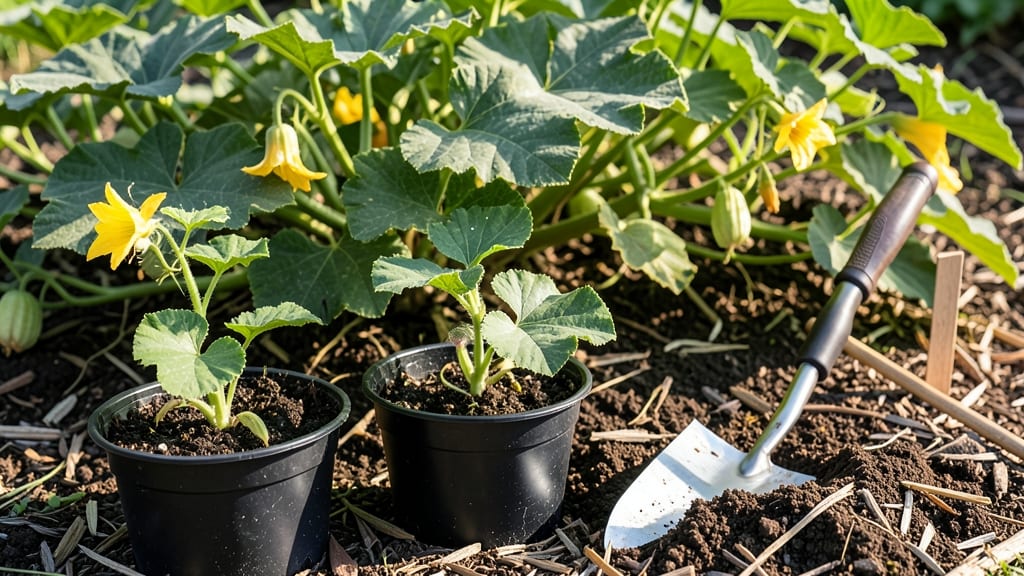
Planting pumpkins in Ohio isn't just about timing—it's about beating the clock before frost steals your harvest. With USDA Zone 6a weather that can shift faster than a jack-o'-lantern carving contest, knowing exactly when to plant your 🎃 seeds makes all the difference.
Most Ohio gardeners wait until late May or early June, after the last frost date (usually around April 15), but soil temperature is the real game-changer. Pumpkins need warm dirt—70°F or higher—to germinate properly, and cool springs can leave you scrambling.
That’s why some gardeners opt for starter plants instead of direct sowing.
Whether you’re growing small space varieties or giant pumpkins, the key is planting between June and July for a harvest before the first frost in mid-October.
But here’s the catch: Ohio’s humidity and unpredictable weather mean even the best-laid plans can go awry if you don’t account for soil prep and spacing.
I’ll break down the exact frost-free timeline for your zone, the best pumpkin varieties for Ohio’s short season, and pro tips to extend your growing window—so you can go from seed to spooky-season pumpkin without the stress.
Ohio pumpkin planting dates by hardiness Zone (5-7)
Ohio’s three distinct hardiness zones (5-7) create unique planting windows for pumpkins. In Zone 5 (northern Ohio), the growing season is shorter, while Zone 7 (southern Ohio) offers a longer frost-free period.
Timing is everything—plant too early, and frost will kill tender seedlings; too late, and your pumpkins won’t mature before winter. Let’s break down the exact frost-free planting windows for each zone, including ideal transplant dates and soil temperature thresholds.
For all Ohio zones, soil temperature is the ultimate deciding factor. Pumpkin seeds need consistent warmth (70°F+) to germinate. In cooler northern zones, this often means waiting until late May or early June, while southern Ohio gardeners can start as early as mid-April.
I’ve tested both direct sowing and transplanting starter plants—here’s what works best in each zone.
🚨 Non-negotiable rule: Never plant pumpkins in Ohio until the average last frost date has passed. Northern Ohio (Zone 5) typically sees frost until May 15, while southern Ohio (Zone 7) is usually frost-free by April 1.
Check your local USDA frost map for precise dates in your county.
In Zone 5, where frost lingers until mid-May, I recommend transplanting starter plants by May 10 to maximize your growing season. These plants already have a 2-week advantage over direct-sown seeds. For direct sowing, wait until May 22—this ensures your seeds won’t rot in cold soil.
I’ve had success with ‘Sugar Pie’ pumpkins in Zone 5 because they mature in just 85 days.
Central Ohio’s Zone 6 offers the most flexibility. You can start direct sowing as early as May 1 or transplant seedlings by April 15. My go-to variety here is ‘Howden’, which thrives in Ohio’s humidity and matures in 90 days.
For best results, use row covers if planting early to protect against late frosts.
Southern Ohio’s Zone 7 is the most forgiving, with a longer frost-free season. You can even start direct sowing by April 15—but only if your soil is warm enough. I test soil temperature with a soil thermometer; aim for 60°F+ before planting.
For giant pumpkins, like ‘Atlantic Giant’, begin transplanting by March 20 to give vines plenty of time to spread.
Pro tip: Stagger your planting by 2 weeks for a continuous harvest. In Zone 6, for example, plant one batch on May 1 and another on May 15. This ensures you’ll have pumpkins ready for Halloween decorations and Thanksgiving pies**—without all ripening at once.
Ohio’s humidity and sudden cold snaps can derail pumpkin growth. To mitigate risks, I always harden off starter plants for 7-10 days before transplanting. This means exposing them to outdoor conditions gradually, including wind and cooler temps.
For direct-sown seeds, use biodegradable seed starters to protect young seedlings from slugs and frost.
🌱 Remember: Pumpkins need 100-120 frost-free days to mature. If you’re in Zone 5 and plant after June 10, your pumpkins likely won’t ripen before frost. Use a growing degree calculator to estimate your local maturity window—it’s a game-changer for Ohio gardeners!
Best pumpkin varieties for Ohio’s short growing season
Ohio’s short growing season demands pumpkin varieties that mature quickly—ideally in 75-100 days. With humidity and variable weather, choosing the right type can mean the difference between a bountiful harvest and wasted effort.
I’ve tested these top 5 varieties in my Ohio garden, focusing on disease resistance, space efficiency, and yields that thrive in our climate.
For small spaces, I recommend ‘Jack Be Little’—a miniature pumpkin that matures in just 75 days and fits perfectly in containers or raised beds. Its disease-resistant traits make it ideal for Ohio’s damp summers, while still producing 3-5 lb pumpkins perfect for carving or baking.
If you’re dreaming of giant pumpkins, ‘Atlantic Giant’ is the king, but it requires 100+ days and a massive vine spread—only attempt this if you have ample space and a long season.
My #1 pick for Ohio gardens is ‘Sugar Pie’, a 90-day variety that produces 4-8 lb pumpkins with smooth, deep orange skin. It’s highly resistant to powdery mildew, a common issue in Ohio’s humid summers, and thrives in moderate spaces.
For pie pumpkins, ‘Cinderella’ is a 95-day favorite—its sweet, dense flesh is perfect for baking, and it handles Ohio’s heat waves better than most.
If you’re growing for carving, ‘Howden’ is a classic with 100 days to maturity and 10-20 lb pumpkins. Its thick rind holds up well to carving, but its larger vine requires more space.
For urban gardens, ‘Waltham Butternut’ is a 90-day hybrid that produces small, sweet pumpkins ideal for roasting—plus, its compact growth makes it perfect for container gardening.
Pro tip: Always plant after soil reaches 70°F and use black plastic mulch to warm the soil faster. I’ve found that staggered planting—sowing seeds every 2 weeks—extends my harvest window by 3-4 weeks, ensuring pumpkins ripen before Ohio’s early October frosts.
Pair these varieties with bush beans or nasturtiums to deter pests naturally.
Remember, Ohio’s first frost typically hits by mid-October, so aim to harvest by early October for the best results. With the right variety and timing, you’ll have pumpkins ready for Halloween—no matter where you are in the state!