
Plants
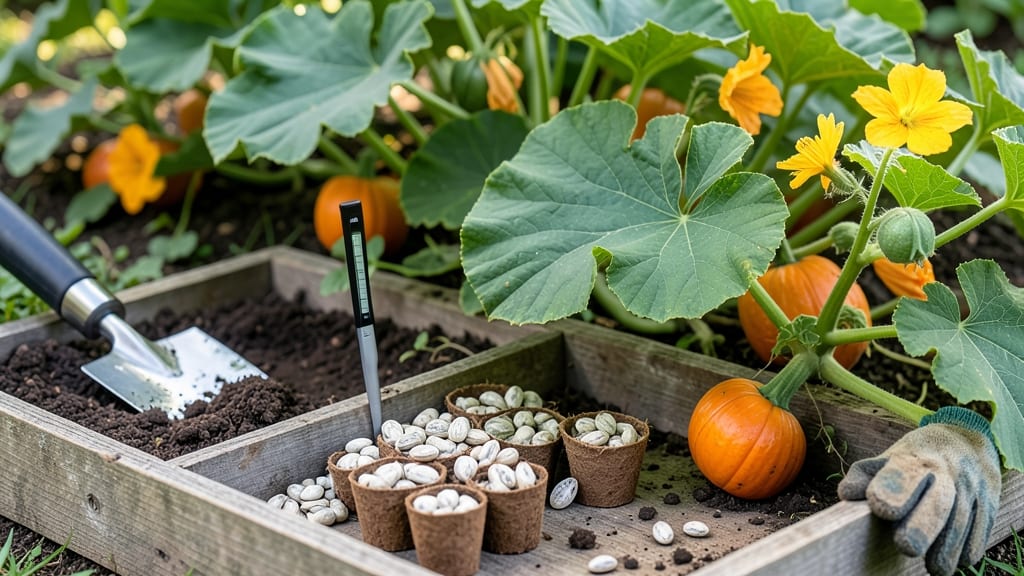
Planting pumpkin seeds in Indiana at the wrong time can mean the difference between a thriving 🎃 harvest and a wasted season. Since Indiana's 5b-6b climate demands precision, knowing when to plant—typically between mid-April and early June—is critical to avoiding frost damage while maximizing growth.
Most Indiana gardeners wait until after the last frost date, usually around mid-April, but soil temperature is just as important. Pumpkins need warm soil—at least 60°F—to germinate properly, which often means delaying planting until late May in cooler northern regions.
If you're eager to get a jumpstart, consider using black plastic mulch or row covers to protect seedlings from unexpected late frosts. This simple trick can extend your planting window by 2-3 weeks, giving you more flexibility for a successful harvest.
Ready to grow? I’ll walk you through the exact steps—from soil prep to spacing—to ensure your pumpkins thrive all season long. Let’s make this your best harvest yet!
Indiana pumpkin planting timeline: frost dates & soil temperature rules
Pumpkins are warm-season crops that need consistent warmth to germinate and thrive.
In Indiana, the last frost dates vary dramatically between the northern and southern regions—sometimes by weeks—so knowing your exact zone is critical. Soil temperature is just as important as calendar dates, with pumpkin seeds needing 55-60°F soil to sprout reliably.
Indiana’s USDA zones 5b-6b mean you’ll find late April to early May as the sweet spot for most varieties. However, early varieties can handle cooler soils, while giant pumpkins need the longest growing season. Using a soil thermometer is my non-negotiable tool—don’t guess!
Here’s the region-specific breakdown you need to pinpoint your planting window:
| Region | Avg. Last Frost | Ideal Planting Window | Soil Temp. Rule | Best Varieties |
|---|---|---|---|---|
| Northern Indiana (Zones 5b) | April 20–May 5 | May 10–June 1 | Wait for 60°F+ soil | Jack Be Little, Warty Goblin |
| Central Indiana (Zones 6a) | April 10–April 25 | April 25–May 15 | 55°F+ soil minimum | Howden, Sugar Pie |
| Southern Indiana (Zones 6b) | April 5–April 15 | April 15–May 5 | 50°F+ soil (earlier starts) | Cinderella, Long Island Cheese |
| All Regions | N/A | June 1–July 1 (late varieties) | 70°F+ soil (heat-loving types) | Atlantic Giant, Big Moon |
For hyper-local precision, I rely on the National Weather Service and Indiana State Climate Office for frost predictions. Their 10-day forecasts often reveal micro-climate shifts that can shift your planting by a week. Almanac frost dates are a starting point, but real-time data is your secret weapon.
If you’re growing early varieties, you can push planting to late March in southern Indiana—but only if you use row covers or a cold frame. These warm-season protectors create a 5-10°F buffer, letting seeds germinate in 50°F soil.
I’ve seen Jack Be Little pumpkins thrive when planted 3 weeks early with this trick!
For late varieties like Atlantic Giant, wait until early June—these monsters need 120+ days to mature, and Indiana’s first frost typically hits mid-October. Count backward from your expected harvest date to avoid disappointment. Pro tip: Use a planting calendar app like Gardenate to sync your variety’s days-to-maturity with your frost dates.
One mistake I see often is planting based on air temperature alone. Soil warms slower than air, especially in shady or clay-heavy spots.
Test your soil’s warmth with a thermometer for 3 consecutive days—if it’s below 55°F, your seeds will rot. Black plastic mulch can add 5-10°F to soil temp, speeding up germination.
Remember, pumpkin seeds are sensitive to cold but heat-loving.
If your soil is too hot (above 90°F), germination drops sharply. Shade cloth over freshly planted seeds can prevent this. Water your soil the day before planting to help it retain warmth—moist soil heats up faster than dry soil.
Start with 2-3 seeds per hill, spaced 3-4 feet apart, and thin to the strongest seedling. Depth matters: plant seeds 1 inch deep—deeper seeds may rot, while shallower ones dry out. Mark your hills with biodegradable flags to avoid disturbing the soil later.
How to extend your Indiana pumpkin growing season with smart hacks
Indiana’s unpredictable weather can cut your pumpkin harvest short if you’re not prepared. But with the right season-extending hacks, you can push your growing window by 3-4 weeks on either end—giving your vines more time to thrive.
The key is combining physical protection with strategic planting methods to shield tender seedlings from late frosts or early heatwaves.
Start by choosing the right protection tools for your specific threats. In northern Indiana, where frosts linger into May, row covers and cold frames are your best allies.
Southern Indiana gardeners, meanwhile, often battle heat stress in July—here, shade cloth and mulch become essential. Let’s break down the most effective tactics to maximize your harvest.
🌱 5 Smart Hacks to Extend Your Indiana Pumpkin Season
- 1. Use black plastic mulch to warm soil 10-15°F faster—plant seeds directly into it 2 weeks before your usual window.
- 2. Cover seedlings with floating row covers until vines reach 4 inches tall to block late frosts.
- 3. Build a cold frame over starts in March for early planting—extends season by 3-4 weeks in cold zones.
- 4. Plant companion crops like bush beans or radishes between hills to suppress weeds and improve soil.
- 5. Transplant starts (not direct-sow) if nights stay below 50°F—hardier seedlings survive better.
For direct-sowing seeds, aim for 2-3 weeks after your last frost date—this gives soil time to reach the ideal 60°F for germination. But if you’re using transplants, you can start them indoors 4-6 weeks before your target outdoor date.
This head start lets you set them out earlier, giving vines a critical growth advantage.
Don’t overlook the power of companion planting. Pairing pumpkins with marigolds or nasturtiums deters pests like squash bugs, while corn or pole beans provide shade for roots during heatwaves. Even straw mulch (3-4 inches deep) keeps soil moist and regulates temperature—critical in Indiana’s humid summers.
If you’re in Zone 5b (northern Indiana), prioritize early-maturing varieties like ‘Jack Be Little’ (75 days) and use row covers until vines harden. In Zone 6b (southern Indiana), focus on heat tolerance with varieties like ‘Howden’ (85 days) and provide afternoon shade during July’s peak heat.
Both strategies let you harvest before the first frost.
Remember: Consistency is key. Check soil temps daily with a soil thermometer—pumpkin seeds won’t germinate below 55°F, and vines grow best between 70-85°F. With these hacks, you’ll turn Indiana’s short growing season into a pumpkin powerhouse. 🎃