
Plants
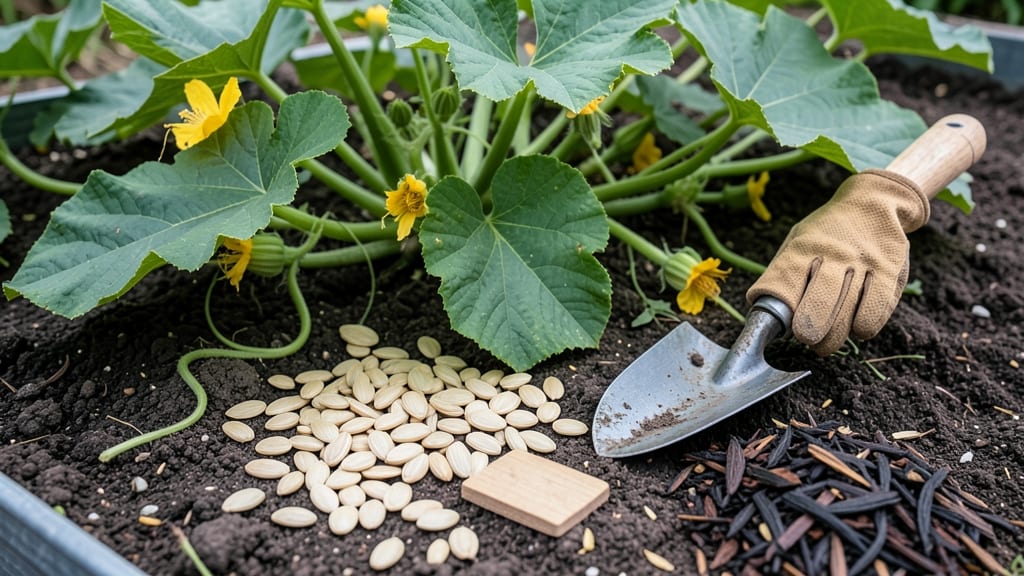
Timing your pumpkin seed planting in Ohio isn’t just about waiting for spring—it’s about nailing those late April to early May windows when the soil warms and frost risks fade.
Miss the mark, and your 🎃 vines might struggle to mature before Ohio’s first frost in October, leaving you with tiny, underripe pumpkins instead of the harvest you dreamed of.
Ohio’s Zone 6a climate means you’ve got roughly 165 frost-free days to work with, but early varieties need to be in the ground by mid-April, while slower-growing types should wait until late April. The key? Monitoring soil temperatures—pumpkin seeds need that ground to hit 70°F before they’ll germinate reliably.
I’ve learned the hard way that planting too early can lead to frost damage, while waiting too long risks a shorter harvest season.
Let’s break down the exact steps to time your planting perfectly, from soil prep to variety selection, so you can avoid common mistakes and maximize your Ohio pumpkin patch’s potential.
Whether you’re growing jack-o’-lanterns or sweet pie pumpkins, this guide will help you navigate Ohio’s unpredictable spring weather. You’ll discover how to extend your growing season, choose the right varieties, and even salvage a late start with a few pro tips that actually work.
Ohio pumpkin planting timeline: frost dates & safe last-freeze windows by region
Ohio’s USDA zones 5-7 create a tricky balance for pumpkin growers. The last frost dates swing wildly—from April 15 in southern Ohio to May 10 in northern regions—making timing critical.
Plant too early, and frost will kill tender seedlings; too late, and your 90-day varieties won’t mature before the first frost in mid-October. My solution? Use local weather data to pinpoint your personal safe window.
Start by checking your county’s average last frost date (find it via the Old Farmer’s Almanac or NOAA climate maps). Then add 2-3 weeks as a buffer—this gives seeds time to germinate (5-10 days at 70°F soil) and seedlings to harden.
For example, if your last frost is April 25, aim to plant by May 10 for most varieties. Heat-tolerant varieties (like ‘Cinderella’) can stretch this window by 10 days.
Ohio’s humidity and variable weather demand extra caution. Even after the last frost, nighttime temperatures can dip into the 40s°F—dangerous for young pumpkin plants. Use row covers or black plastic mulch to warm soil and protect seedlings.
Pro tip: Soil temperature matters more than air temperature—use a soil thermometer to confirm it’s 60°F+ before planting.
🌱
| Region | USDA Zone | Avg Last Frost | Safe Planting Window | Best Varieties |
|---|---|---|---|---|
| Southern Ohio (e.g., Cincinnati, Columbus) | 6a-6b | April 15–April 25 | May 1–May 10 | ‘Jack Be Little’ (75 days), ‘Small Sugar’ (85 days) |
| Central Ohio (e.g., Cleveland, Dayton) | 6a | April 25–May 5 | May 10–May 20 | ‘Howden’ (90 days), ‘Autumn Gold’ (80 days) |
| Northern Ohio (e.g., Toledo, Youngstown) | 5b-5a | May 5–May 10 | May 20–June 1 | ‘Waltham Butternut’ (100 days), ‘Cinderella’ (110 days) |
| All Regions (Late Planting) | 5-7 | N/A (after June 1) | Use fast-maturing varieties (75 days) or container growing | ‘Baby Boo’ (70 days), ‘Muskett’ (80 days) |
For cold-sensitive varieties (like ‘Howden’), wait until soil reaches 70°F—even if frost risk is low.
Test this with a seedling heat mat or black plastic mulch laid 1-2 weeks before planting. Heat-tolerant varieties (e.g., ‘Cinderella’) can handle 60°F soil and even light frosts once established, but they need 120+ frost-free days to mature.
Ohio’s short growing season (only 165 frost-free days) forces tough choices. If your last frost is late, opt for 75-day varieties like ‘Jack Be Little’—they’ll mature by late September before the first frost.
For longer-season varieties (e.g., ‘Autumn Gold’), start seeds indoors 2-3 weeks early and transplant after the last frost. Use grow lights to jumpstart germination.
Don’t rely solely on average frost dates. Check your local weather station for the past 5 years—some Ohio regions have seen late frosts in June or early frosts in September.
My personal rule: If nighttime temps drop below 50°F after planting, cover seedlings with frost blankets or move pots to a sunny garage until danger passes.
For container growing (ideal for urban Ohio gardeners), plant 1-2 seeds per 5-gallon pot and place in full sun. Containers warm up faster than soil, giving you a 2-week head start.
Just ensure pots have drainage holes—pumpkins hate soggy roots. Dwarf varieties like ‘Baby Boo’ thrive in containers and mature in just 70 days, perfect for late starts.
If you’re still unsure, use the “500-degree day” rule: Pumpkins need 500+ growing degree days (calculated by averaging daily highs and lows, then subtracting 50°F). Track this with a growing degree calculator
Best pumpkin varieties for Ohio’s short growing season & how to time their planting
Ohio’s short growing season demands smart choices when selecting pumpkin varieties. Fast-maturing types (75–90 days) like ‘Jack Be Little’ and ‘Small Sugar’ are your best bet, while longer-season varieties like ‘Howden’ or ‘Cinderella’ need perfect timing to avoid frost.
The key is planting after your last frost date—typically mid-April to early May—while ensuring enough time for full maturity before Ohio’s first frost in mid-October.
For fast-maturing varieties, aim to plant April 20–May 10 in most of Ohio. These varieties thrive in the 75–90-day range, making them ideal for shorter seasons.
Longer-season types (100+ days) need an earlier start—April 1–15—but risk frost damage if planted too late. Soil temperature is critical: seeds won’t sprout well below 60°F, so wait until the ground warms.
🌱 Comparison Table: Ohio Pumpkin Varieties & Planting Windows
If you’ve missed the ideal window, don’t panic! For late springs, opt for fast-maturing varieties and use row covers to extend the season. Plant seeds in biodegradable pots and transplant after soil warms, or try starting indoors 2–3 weeks before the last frost.
Even a 2-week delay can mean the difference between success and failure for long-season varieties.
For northern Ohio (Zones 5–6), prioritize ‘Jack Be Little’ or ‘Small Sugar’—they’ll mature before frost. In southern Ohio (Zone 7), you have more flexibility to try ‘Howden’ or ‘Cinderella’, but monitor weather forecasts closely.
Use a soil thermometer to confirm temperatures are above 60°F before planting—cold soil delays germination.
My pro tip: Mark your calendar for September 15 as your harvest deadline in Ohio. This gives you a 100-day buffer from planting to avoid frost damage.
If your pumpkins aren’t ready, harvest them early (even if small) and cure them indoors for 10 days at 80–85°F to improve storage life.