
Plants
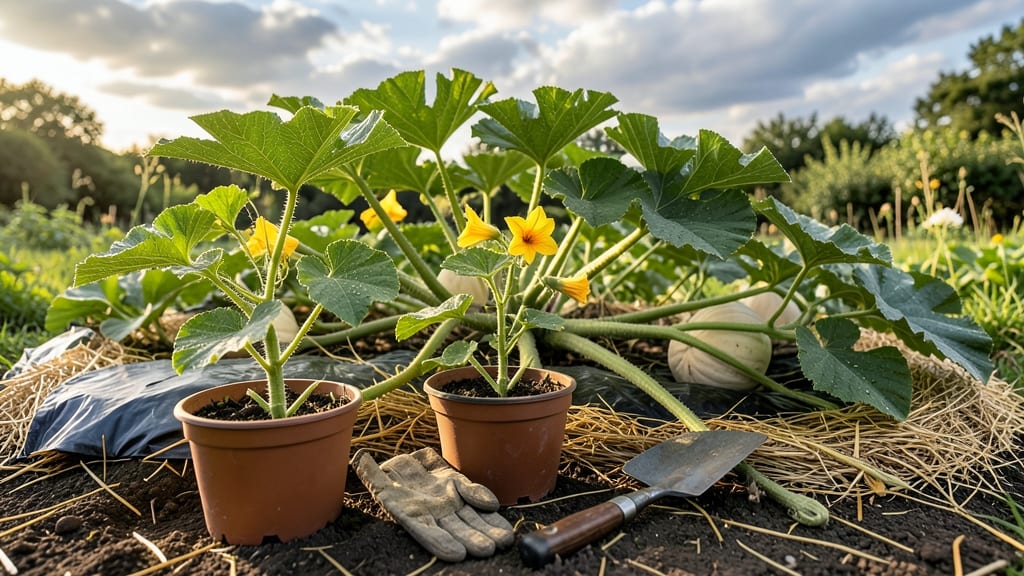
Planting pumpkins in Ohio isn't just about grabbing seeds and sticking them in the dirt—it's about timing them perfectly to beat the unpredictable spring weather and frost risks that can ruin your harvest before it even starts.
With Ohio's USDA Zone 6a climate, you've got just a short window—mid-April to early June—to get those 🎃 seeds in the ground when soil temperatures hit the sweet spot of 60°F.
Get it wrong, and you might end up with sad, stunted plants instead of the jack-o'-lantern material you're dreaming of.
I've grown pumpkins here for years, and I'll show you exactly when to plant—whether you're starting seeds indoors for a head start or going straight to direct sowing outdoors.
Plus, I'll share which varieties thrive in Ohio's heat zones and how to avoid the most common mistakes that leave gardeners scratching their heads in October.
Ready to grow pumpkins that actually produce? Let's dive into the ideal planting schedule, the best varieties for your backyard, and the pro tips that'll have you harvesting like a local by September.
Ohio pumpkin planting calendar by heat Zone: exact dates for success
Ohio’s USDA hardiness zones 5-7 create unique challenges for pumpkin growers, where last frost dates can vary by 2-3 weeks between northern and southern regions. Getting your pumpkin seeds in the ground at the right time ensures strong germination and a full-season harvest before fall frosts arrive.
Unlike warm-weather crops, pumpkins need consistent soil temperatures above 60°F to thrive, making timing critical.
Most Ohio gardeners wait until after the last frost date (typically mid-April in southern Ohio to early May in northern Ohio) to plant pumpkins directly in the garden. However, starting seeds indoors 2-3 weeks before the last frost can give you a head start in cooler zones.
The key is balancing soil warmth with frost risk—plant too early, and seedlings may rot; too late, and vines won’t mature before frost.
Here’s your zone-specific pumpkin planting calendar, including exact dates, soil temperature requirements, and key milestones to track for a successful harvest. Whether you’re in colder Zone 5 or warmer Zone 7, these guidelines will help you avoid common mistakes like blossom-end rot or stunted growth from cool soils.
| USDA Zone | Last Frost Date | Ideal Planting Window | Soil Temp for Planting | Key Milestones |
|---|---|---|---|---|
| Zone 5 (Northern Ohio) | May 1–15 | May 15–June 1 (direct sow) or April 15 (start indoors) | 60°F+ (consistently) | ✅ Germination in 7–10 days 🌱 Transplant seedlings at 2–3 leaves 🎃 Harvest by Oct 1 |
| Zone 6 (Central Ohio) | April 15–May 1 | April 20–May 15 (direct sow) or March 30 (start indoors) | 60°F+ (consistently) | ✅ Germination in 5–8 days 🌱 Transplant seedlings at 3–4 leaves 🎃 Harvest by Oct 15 |
| Zone 7 (Southern Ohio) | March 30–April 15 | April 1–May 1 (direct sow) or March 1 (start indoors) | 55°F+ (minimum) | ✅ Germination in 5–7 days 🌱 Transplant seedlings at 4+ leaves 🎃 Harvest by Nov 1 |
In Zone 5, where winters are colder, I recommend starting seeds indoors by April 15 to give seedlings a jumpstart. Use grow lights or a sunny windowsill to keep seedlings healthy until transplanting after the last frost.
For Zone 6 and 7, direct sowing after soil warms to 60°F works well, but always monitor 7-day forecasts for late frosts—even in warmer zones.
One of my biggest mistakes early on was planting pumpkins too early in Zone 5. The cool, damp soil led to rotten seeds and wasted effort. Now, I wait until the soil thermometer reads 60°F for 3 consecutive days before planting.
You can also test soil warmth by pressing your hand into the ground—if it feels warm to the touch (like a hot cup of tea), it’s ready for seeds.
For fastest germination, plant seeds 1–1.5 inches deep in hills spaced 4–6 feet apart. Each hill should have 2–3 seeds to ensure at least one strong plant emerges.
Thin seedlings to the most vigorous plant per hill once they’re 4–6 inches tall. This spacing gives vines room to sprawl and reduces competition for nutrients.
After planting, mulch heavily with straw or grass clippings to retain moisture and suppress weeds. Pumpkins are heavy feeders, so side-dress with compost or balanced fertilizer (like 10-10-10) when vines start to run.
Avoid over-fertilizing with nitrogen, though—it promotes leafy growth over fruit production, which is the last thing you want when aiming for big, sweet pumpkins.
Keep an eye on the first frost dates in your zone: Zone 5 gardeners should harvest by October 1, while Zone 7 can often extend the season until November 1.
If frost threatens before your pumpkins mature, harvest them early and cure them indoors for 10–14 days in a warm, dry place. This hardens the rind and improves storage life.
Finally, don’t overlook companion planting to boost your pumpkin’s success. Pair them with beans or peas to fix nitrogen in the soil, or plant marigolds nearby to deter pests like squash vine borers. With the right timing and a little extra care, you’ll be carving <
Best pumpkin varieties for Ohio gardens: fast-growing vs. cold-hardy options
Ohio’s variable climate demands pumpkin varieties that balance fast growth with cold tolerance. Whether you have limited space or worry about early frosts, the right variety ensures a reliable harvest.
I’ve tested these top performers in my Ohio garden, focusing on disease resistance and maturity timelines to match our short growing season.
For gardeners short on space, bush varieties like ‘Jack Be Little’ are game-changers. This mini pumpkin matures in just 75 days and stays compact at 2-3 feet tall, making it perfect for containers or small plots.
Its orange hue and 3-5 pound size also make it ideal for carving or baking—though I always save a few for my famous pumpkin soup!
If you’re dealing with cooler Ohio springs, ‘Sugar Pie’ is my go-to. This cold-hardy variety thrives in USDA Zone 5-7 and tolerates light frosts better than most. With 85 days to maturity, it’s ready for harvest before many vining types even flower.
The sweet, dense flesh is perfect for pies, and its medium size (8-10 pounds) fits beautifully on fall tablescapes.
| Variety | Type | Days to Maturity | Size (lbs) | Cold Tolerance | Disease Resistance |
|---|---|---|---|---|---|
| ‘Howden’ | Vining | 90-100 days | 15-20 lbs | Moderate | High (powdery mildew) |
| ‘Jack Be Little’ | Bush | 75-80 days | 3-5 lbs | High | Moderate |
| ‘Sugar Pie’ | Bush | 85-90 days | 8-10 lbs | Very High | High (cucumber beetles) |
| ‘Cinderella’ | Vining | 100-110 days | 10-15 lbs | Low | Moderate |
| ‘Autumn Gold’ | Vining | 95-105 days | 10-12 lbs | Moderate | High (bacterial wilt) |
For those who love traditional giant pumpkins, ‘Howden’ delivers disease resistance and vining growth up to 15-20 feet. Its high powdery mildew resistance is a lifesaver in Ohio’s humid summers, and the 15-20 pound fruits make stunning centerpieces.
However, its 90-100 day maturity means you’ll need to plant early—around mid-April in most of Ohio—to avoid frost risks.
If you’re new to pumpkin growing, avoid long-maturing varieties like ‘Cinderella’ unless you’re in southern Ohio. This 100-110 day giant needs a long, hot season, and its low cold tolerance makes it risky for northern Ohio gardeners.
Instead, I recommend ‘Autumn Gold’ for a balance—it’s bacterial wilt resistant and matures in 95-105 days, giving you a buffer for Ohio’s unpredictable autumns.
Pro tip: Pair your pumpkin variety with companion plants like marigolds or nasturtiums to deter pests. I’ve found that interplanting with beans also improves soil nitrogen, giving my pumpkins a healthier start.
And remember—mulch heavily to retain soil moisture and protect roots from temperature swings. With the right variety and care, your Ohio garden can yield pumpkins that rival commercial farms! 🎃