
Companion Plants
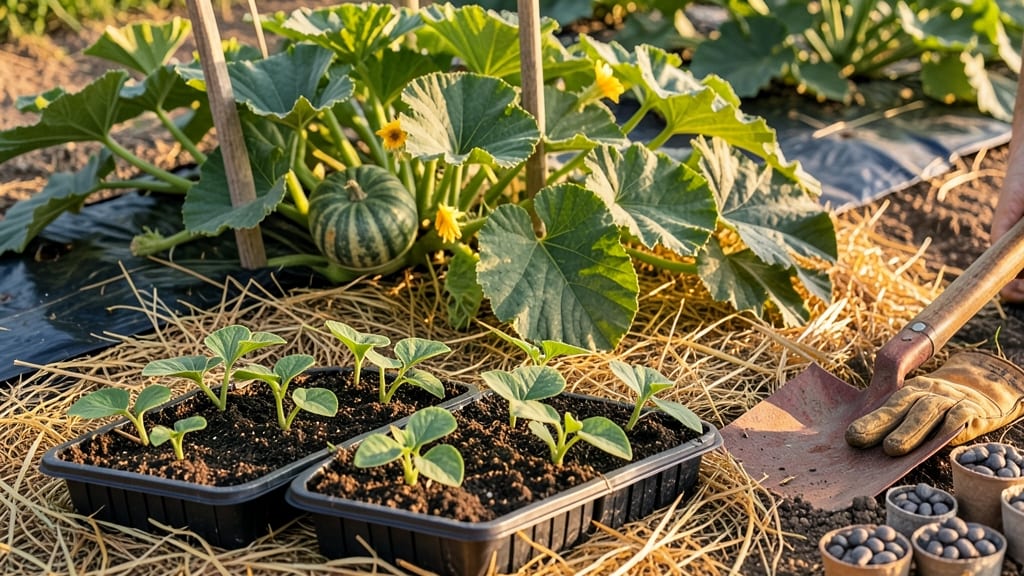
Planting pumpkins in Michigan isn’t just about waiting for spring—it’s about catching that sweet spot between soil warmth and frost-free days to grow 🎃 that’ll rival the grocery store’s. The key?
Timing your seeds after the last frost when soil hits 70°F, typically mid-May to early June, but regional differences in Michigan’s 5b-6b zones can shift that window by weeks.
Too early, and chilly soil stunts growth; too late, and your vines won’t mature before October’s first frost. I’ve learned the hard way that rushing or delaying can turn your pumpkin patch into a sad, shriveled mess—so let’s break down the exact conditions your garden needs for a thriving harvest.
Whether you’re direct-sowing seeds or transplanting seedlings, understanding your local frost dates and soil temperature is half the battle. Michigan’s climate throws curveballs, but with the right strategy—like using black plastic mulch or choosing cold-hardy varieties—you can stretch the growing season and avoid the disappointment of half-formed pumpkins.
Ready to turn your backyard into a pumpkin powerhouse? I’ll walk you through the critical factors that separate a mediocre harvest from a jack-o’-lantern-worthy bounty, plus companion plants and spacing tips to maximize your yield before the first frost hits.
Michigan pumpkin planting calendar: soil temperature & frost dates by region
Michigan’s three distinct regions—Lower Peninsula, Upper Peninsula, and the Thumb—each have unique last frost dates and soil warming patterns, making timing critical. For jack-o’-lantern-sized pumpkins, aim to plant when soil reaches 55-60°F and the air temperature stays above 60°F at night.
This typically falls between mid-May and early June, but your exact window depends on your location.
In the Lower Peninsula, where most gardeners live, the average last frost date ranges from May 10-20. The Thumb region warms up slightly earlier (May 5-15), while the Upper Peninsula often waits until late May or early June due to cooler climates.
Always check your local USDA Plant Hardiness Zone (5b-6b) for precise guidance.
Pumpkins need a 120-150 day growing season, so planting too late risks immature harvests before Michigan’s first frost (mid-October to early November). Use this frost-free window to calculate your ideal planting date.
For example, if your first frost is October 15, count backward 120 days to determine your last possible planting date.
Here’s how your region breaks down for optimal pumpkin planting:
| Region | Last Frost Date | Ideal Planting Window | Soil Temp Threshold | First Frost Risk |
|---|---|---|---|---|
| Lower Peninsula (South) | May 10-20 | Mid-May to early June | 55-60°F | Mid-October |
| Thumb Region | May 5-15 | Late April to mid-May | 55-60°F | Early October |
| Upper Peninsula | Late May to early June | Early to mid-June | 60-65°F | Early to mid-October |
For gardeners in Zone 5b (northern Michigan), opt for faster-maturing varieties like ‘Jack Be Little’ (75 days) or ‘Sugar Pie’ (80 days) to ensure harvests before frost.
In Zone 6b (southern Michigan), you can grow larger varieties like ‘Howden’ (100 days) or ‘Cinderella’ (90 days) with confidence.
If you’re unsure about your local frost dates, use the Almanac’s Frost Calculator or check with your local Cooperative Extension office. They provide hyper-local data that can save your pumpkins from a premature freeze.
For example, Traverse City typically has a later last frost than Detroit, so adjust accordingly.
Direct sowing is preferred over transplants for pumpkins because they hate root disturbance. Plant seeds 1 inch deep and 3-4 inches apart, thinning to 2 feet between plants once seedlings emerge. This spacing gives vines room to sprawl and reduces disease risk from overcrowding.
Pro tip: Use a soil thermometer to confirm warmth before planting. Cold soil (below 55°F) slows germination, leaving seeds vulnerable to rot or pests. If your soil isn’t ready, start seeds indoors 2-3 weeks before your target outdoor date using biodegradable pots to avoid transplant shock.
Remember, Michigan’s weather is unpredictable, so always have a backup plan—like row covers—to protect young plants from unexpected late frosts or early chills. With the right timing, you’ll be carving perfect pumpkins by Halloween! 🎃
5 Critical factors that determine perfect pumpkin planting timing in Michigan
Michigan’s short growing season means nailing the planting window for pumpkins isn’t just about frost dates—it’s about balancing soil warmth, seed variety, and even your planting method.
I’ve seen pumpkin vines thrive in my USDA Zone 6a garden when I followed these 5 critical factors, and they’ll help you avoid the heartbreak of underdeveloped pumpkins by frost.
First, soil temperature is non-negotiable. Pumpkin seeds need soil that’s at least 70°F (21°C) to germinate reliably. In Michigan, this typically means waiting until mid-May to early June, but a soil thermometer is your best friend—don’t guess!
Cold soil slows germination and invites rot, so if your soil is still chilly, hold off even if your neighbors are planting.
Next, consider whether you’re direct-sowing seeds or transplanting seedlings. Direct sowing is my go-to because pumpkins hate root disturbance, but seedlings give you a 2-week head start.
If you’re transplanting, start seeds indoors 3-4 weeks before your last frost date, then harden them off before setting them out when soil is warm. Pro tip: Use biodegradable pots to avoid transplant shock.
🌱 5 Critical Factors for Michigan Pumpkin Planting
- Soil Temperature: Wait for 70°F+ soil (use a thermometer!).
- Seed Variety: Choose cold-tolerant types like ‘Jack Be Little’ for shorter seasons.
- Planting Method: Direct sow after frost; transplant seedlings 3-4 weeks early.
- Frost-Free Days: Aim for 100+ days to maturity (adjust for late varieties).
- Companion Plants: Pair with nasturtiums or marigolds to deter pests.
Don’t overlook your pumpkin variety. Michigan’s climate favors shorter-season varieties like ‘Howden’ (85 days) or ‘Sugar Pie’ (90 days) over long-season giants. If you’re in the Upper Peninsula, opt for ‘Jack Be Little’—it matures in just 75 days and handles cooler temps better.
For the Thumb region, you’ve got more flexibility for larger varieties, but always check the seed packet’s days to maturity against your frost date.
Timing isn’t just about the start—it’s also about succession planting. In Michigan, you can squeeze in a second planting in early July for late varieties if your season stretches long enough.
Just be prepared to use row covers to buy extra time. And if you’re in a frost-prone area, choose varieties with thicker rinds like ‘Cinderella’—they store better if you’re harvesting late.
Finally, watch your local microclimate. A south-facing hill warms up faster than a low-lying area, so adjust your planting date accordingly. I’ve had success planting on black plastic mulch to raise soil temps by 5-10°F, which can shave weeks off your growing season.
Combine this with drip irrigation to keep roots cool and consistent, and you’ll give your pumpkins the best shot at reaching their full potential before Michigan’s first frost.