
Plants
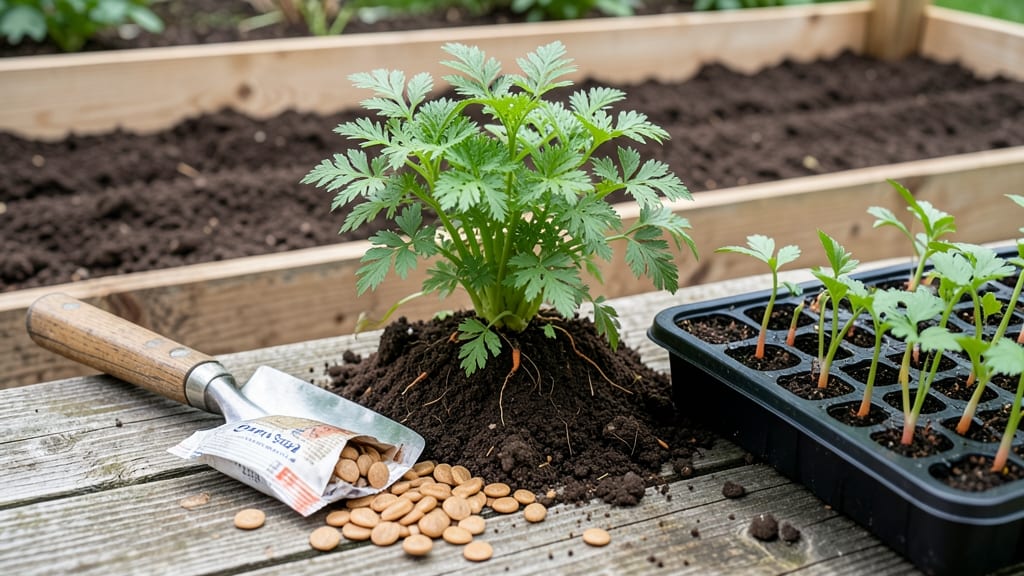
Timing your 🥕 carrot planting in fall just right can mean the difference between a sweet, crisp harvest and bitter disappointment. Too early, and you risk bolting before frost; too late, and your crop won’t mature before winter sets in.
The key is understanding your microclimate—whether you’re in a coastal zone where mild temperatures linger or an inland area with sharp temperature drops.
For most gardeners in Zone 6, the ideal window opens 4-6 weeks before your first frost date, typically late August to early September.
This gives your carrots enough time to reach maturity before hard freezes hit, but not so much time that they become woody or bolt in response to shorter days. The secret? Start with well-drained soil and choose varieties bred for cold tolerance.
I’ve learned the hard way that skipping soil prep or picking the wrong timing leads to stunted roots or bitter flavors. But when you nail it, you’ll pull out perfectly sweet carrots straight from the garden—even in cooler weather.
Let’s break down exactly how to adjust your planting schedule based on your local climate and soil conditions.
From selecting the right variety to adjusting for late fall harvests, I’ll walk you through every step to ensure your carrots thrive. Whether you’re a seasoned gardener or just starting out, these tips will help you avoid common pitfalls and enjoy a bountiful fall harvest.
Fall carrot planting dates by USDA hardiness Zone
Timing your fall carrot planting correctly ensures sweet, crisp harvests before hard frosts strike. The key is planting 4-6 weeks before your first frost date to allow 60-80 days for maturity. Coastal areas often have 2-3 weeks later planting windows than inland zones due to milder microclimates.
Let's break down the exact windows for each USDA hardiness zone to avoid winter kill while maximizing flavor.
For Zone 3-4, where winters are harsh, aim for mid-July to early August plantings. These northern regions have earlier first frosts (late September to early October), so you need to rush the crop along.
In Zone 5-6, the sweet spot is late July through mid-August—giving you a buffer for unexpected cold snaps. Meanwhile, Zone 7-8 gardeners can stretch plantings into early September for late fall harvests.
Southern zones (Zone 9-10) enjoy the longest windows, with August through mid-October plantings possible. However, even here, avoid planting too late—hard freezes can still damage tender carrot tops.
Always check your local frost dates (USDA Plant Hardiness Zone Map) and adjust by 1-2 weeks for coastal areas, where ocean breezes delay frost.
Pro Tip: Use a frost calendar from your local Cooperative Extension Service for hyper-local accuracy. For example, Portland, OR (Zone 8) might have a 2-week later frost date than inland Boise, ID (Zone 7)—even though they share the same zone designation. This microclimate shift can mean the difference between a successful crop and a failed one.
| USDA Zone | First Frost Date | Ideal Planting Window | Harvest Window | Notes |
|---|---|---|---|---|
| Zone 3-4 | Late Sept - Early Oct | Mid-July to Early Aug | Oct - Early Nov | Use row covers for extension |
| Zone 5-6 | Mid-Oct | Late July - Mid-Aug | Oct - Late Nov | Cooler soil speeds germination |
| Zone 7-8 | Early Nov | Late July - Early Sept | Nov - Dec (mild zones) | Coastal zones plant 2 weeks later |
| Zone 9-10 | Mid-Dec | Aug - Mid-Oct | Dec - Jan (tender crops) | Avoid late plantings past Sept 15 |
In Zone 3-4, where winters are brutal, focus on early-maturing varieties (50-60 days to harvest). These include 'Early Nantes' or 'Paris Market', which can handle cooler soils.
For Zone 5-6, you have more flexibility with 60-70 day varieties like 'Danvers Half Long', which stores well in cold frames. Meanwhile, Zone 7-10 gardeners can experiment with longer-season types (70-80 days) such as 'Chantenay' or 'Purple Haze' for color.
Always adjust your planting window by 1-2 weeks if you're in a coastal microclimate. For example, San Francisco (Zone 9) might have 3 weeks later frost dates than inland Sacramento (Zone 9).
Check local weather patterns—some years, a late summer heatwave can push your first frost back by 10 days or more. Use a soil thermometer to confirm soil temps are 50°F+ before planting; carrots won't germinate well in colder soils.
For extended harvests, consider succession planting every 2 weeks in Zone 7-10. This ensures a steady supply from fall through early winter. In colder zones (Zone 3-6), prioritize one main planting and use row covers to protect young plants from early frosts.
Always harvest before hard freezes (below 20°F) to prevent root damage.
Remember, carrots need consistent moisture—especially in fall
How to adjust planting for late fall harvests without bolting
Bolting is every gardener’s nightmare—especially when you’re just a few weeks away from a sweet fall carrot harvest. The culprit? Day-length sensitivity and soil temperatures that trick your carrots into flowering prematurely.
But here’s the good news: with the right adjustments, you can delay bolting long enough to enjoy crisp, flavorful roots straight from your garden.
Carrots are long-day plants, meaning they naturally bolt when daylight stretches beyond 14 hours. In fall, shorter days should signal slower growth—but if your soil stays too warm or your variety isn’t cold-hardy, they’ll race to flower instead of maturing.
The key is cooling the soil and choosing varieties bred to handle late-season conditions.
3 Critical Adjustments to Prevent Bolting
- 1. Time Soil Cooling
Wait until soil temps drop below 75°F (24°C) before planting. Use a soil thermometer to monitor—warm soil accelerates bolting even with cooler air. In Zone 6, aim for late August to early September for ideal timing. - 2. Select Short-Day Varieties
Choose cold-tolerant heirlooms like 'Danvers' or 'Chantenay' over heat-sensitive hybrids. These varieties prioritize root growth over flowering, even as daylight shortens. - 3. Extend the Season with Row Covers
Use floating row covers to shield plants from temperature swings. They trap heat during the day while cooling overnight—critical for preventing bolting in mild fall climates.
Let’s break down how to implement these adjustments in your garden. First, test your soil temperature for a full week before planting—morning readings are most accurate. If your soil stays above 75°F (24°C), delay planting by 1-2 weeks. Cooler soil = slower growth = fewer bolting triggers.
Next, focus on variety selection. Short-day carrots like 'Nantes' mature faster in cooler temps, while long-day varieties (e.g., 'Imperator') bolt quicker. For late fall, stick to heirloom or hybrid cold-hardy types—they’ve been bred to resist the urge to flower when days grow shorter.
Finally, row covers are your secret weapon. Install them 2-3 weeks after planting to protect seedlings from temperature fluctuations. Remove covers during the day if temps rise above 80°F (27°C) to prevent overheating, but leave them on at night to slow bolting triggers.
Pair this with consistent watering (1 inch per week) to keep roots cool and crisp.
With these adjustments, you’ll harvest sweet, bolt-free carrots well into fall—even if your first frost arrives early. The payoff? Homegrown carrots with maximum flavor and texture, straight from your garden to your table. 🥕