
Companion Plants
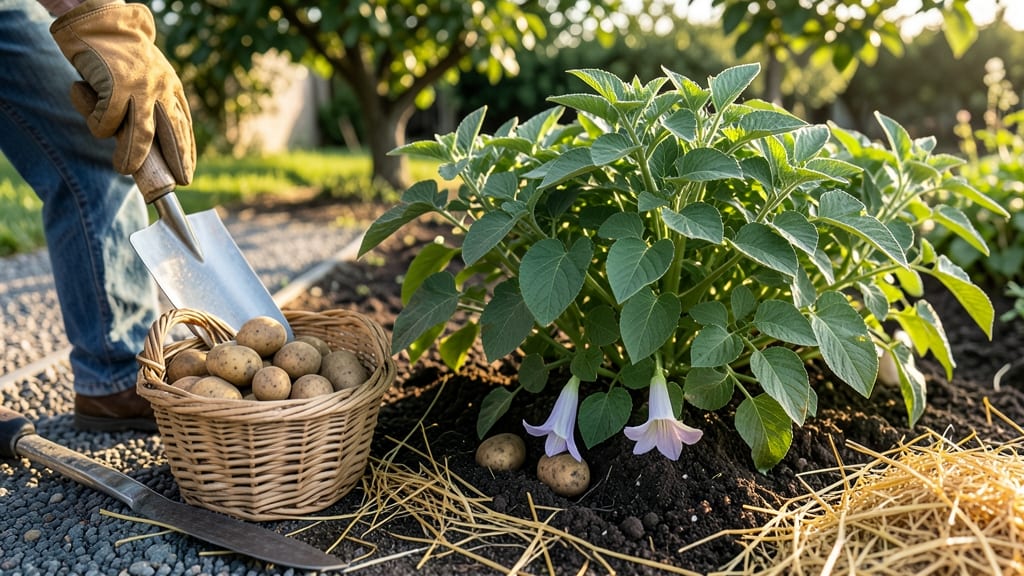
Planting potatoes in Ohio isn’t just about waiting for spring—it’s about timing them perfectly to beat the unpredictable frosts that can turn your 🥔 crop into a loss before it even starts.
With Ohio’s Zone 6a climate, you’ve got a narrow window between last frost (usually mid-April) and soil warming enough for sprouts. Get it wrong, and you risk stunted plants or frost damage—get it right, and you’re on track for a bumper harvest by July.
I’ll walk you through the exact microclimate dates for your corner of Ohio, whether you’re in frost-prone Northeast Ohio or the milder Southwest. Plus, I’ll share pro tips like chitting (pre-sprouting) and soil prep to give your potatoes the best possible start.
Ready to turn your potato patch into a foolproof success? Let’s dive into the ideal planting schedule—and how to adjust if Mother Nature throws a curveball.
Ohio’s frost-free planting zones: when to plant potatoes by region
Ohio’s diverse climate—from the Great Lakes’ chilly northwest to the warmer Appalachian foothills—means frost dates can vary by 2–3 weeks between regions. Planting potatoes too early risks frost damage, while waiting too long cuts yields.
The key? Aligning your planting with local frost-free averages and adjusting for urban heat islands or rural cold pockets.
Most Ohio gardeners fall into USDA Zones 5b–6a, but microclimates create 4 distinct planting windows. Whether you’re in Toledo’s Zone 5b or Athens’ Zone 6a, timing your potatoes to avoid late frosts (common in April–May) is critical.
Below, I’ve broken down exact frost-free date ranges for Ohio’s four regions, plus urban vs. rural adjustments.
Pro Tip: Use chitting (pre-sprouting seed potatoes) to jumpstart growth in colder zones. Place seed potatoes in bright light (not direct sun) 4–6 weeks before planting to encourage 1-inch sprouts—this buys you 10–14 days of head start in frost-prone areas.
| Region | USDA Zone | Last Frost Date (Avg.) | Early Planting Window | Mid-Season Planting | Late Planting (Risky) |
|---|---|---|---|---|---|
| Northwest (Toledo, Lima, Findlay) | 5b | April 20–May 5 | March 15–April 1 (chit indoors) | April 15–May 1 | May 10–15 (low yield) |
| Northeast (Cleveland, Akron, Canton) | 6a | April 25–May 10 | March 20–April 5 (chit indoors) | April 10–April 25 | May 1–10 (moderate risk) |
| Southeast (Columbus, Dayton, Cincinnati) | 6a | April 15–April 30 | March 25–April 10 | April 1–April 15 | April 25–May 5 (low risk) |
| Southwest (Athens, Chillicothe, Portsmouth) | 6a–6b | April 10–April 25 | March 10–March 25 | March 20–April 1 | April 10–20 (minimal risk) |
Urban areas (e.g., Columbus city center) may experience 2–3°F warmer soil temps—plant 1 week earlier than rural zones.
In Zone 5b (northwest Ohio), aim for March 15–April 1 planting, using row covers if night temps dip below 40°F. Cold-hardy varieties like ‘Kennebec’ or ‘Red Norland’ tolerate 32–35°F soil temps better than ‘Yukon Gold’, which needs 50°F+ soil to thrive.
For Zone 6a (central/southeast Ohio), you’ve got flexibility: March 20–April 15 is ideal, but late April still works if you use black plastic mulch to warm soil. Early varieties like ‘Early Rose’ mature in 70–80 days, perfect for squeezing in a second crop if you plant by May 1.
Ohio’s Appalachian foothills (southwest) often see earlier last frosts (
How to adjust planting dates for Ohio’s unpredictable weather patterns
Ohio’s late spring frosts can strike as late as mid-May in some regions, so timing your potato planting requires flexibility. The key is to plant when soil reaches 45°F (7°C)—cold-hardy varieties like ‘Kennebec’ can tolerate 35°F (2°C) for short periods, but most need warmer soil to thrive.
I’ve learned that soil temperature gauges (or the back-of-the-hand test) are your best friends here.
Start with chitted potatoes (pre-sprouted in bright light) 2–3 weeks before your target date—they’ll emerge faster once soil warms. For Zone 6a Ohio, that means planting early varieties like ‘Red Pontiac’ by late March in southern Ohio, but waiting until mid-April in colder northern areas.
The goal? Beat frost while avoiding overly wet soil that stunts growth.
⚠️ Planting Dates: Pros & Cons
- Pros: Longer growing season
- Pros: Avoids May frost risk
- Cons: Cold soil delays sprouting
- Cons: Higher disease risk
- Pros: Warmer soil speeds growth
- Pros: Balanced frost risk
- Cons: Shorter season if late frost hits
- Cons: May need row covers
- Pros: Warmer soil ensures sprouting
- Cons: Smaller yield potential
- Cons: Limited to fast varieties
- Cons: Higher pest pressure
Note: Use black plastic mulch to warm soil 2–3°F faster if planting early.
If frost threatens after planting, mulch immediately with straw or leaves—this can add 2–3 weeks to your growing season. I’ve seen ‘Yukon Gold’ potatoes thrive when planted in early April with mulch, while ‘Kennebec’ (a later variety) does better in mid-April plantings.
The trick is matching the variety’s cold tolerance to your region’s last frost date.
For urban gardeners, microclimates matter—south-facing walls or paved areas can warm soil 3–5 days earlier than open fields. Test your spot with a soil thermometer for 3 days to confirm readiness.
If your soil is still cold, opt for container growing with heat mats or wait until mid-April for in-ground planting.
Don’t forget to hill soil around stems as plants grow—this protects tubers from frost and encourages deeper growth. I’ve found that hilling every 2–3 weeks (when stems are 6 inches tall) gives me an extra 1–2 weeks of frost protection. Pair this with row covers for an added safety net.
When in doubt, plant a mix of early and mid-season varieties—this spreads your risk. For example, ‘Early Rose’ (60-day) and ‘Kennebec’ (110-day) together ensure you’ll have potatoes ready by July 4th no matter what Mother Nature throws your way.
The key is flexibility: adjust dates based on soil temps, not just calendar months.