
Plants
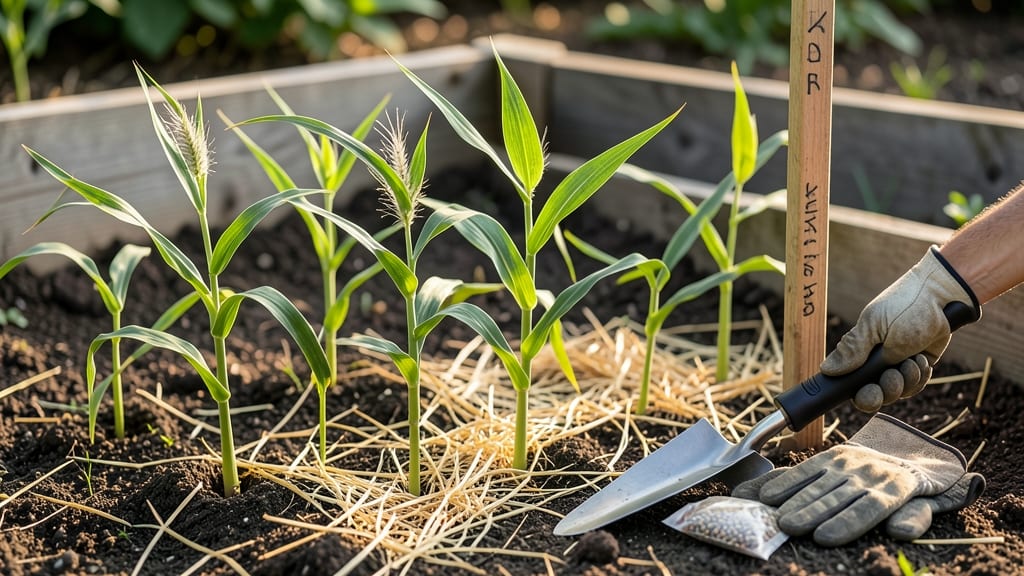
Planting corn in Northeast Ohio at the wrong time can mean the difference between a towering 🌽 harvest and a sad, frost-nipped disappointment.
The key isn't following a calendar date—it's waiting for the soil to warm to 50°F+ consistently, a trick that saves your crop from late frosts and slow germination.
Here in zone 6a, where spring weather can flip from icy to sweltering in a week, timing matters more than anywhere else. I've learned the hard way that planting too early risks cold soil and stunted plants, while waiting too long cuts your harvest window short.
The sweet spot? Between April 15 and May 15, when the ground finally cooperates.
What you'll discover here are the exact soil temperature triggers, frost risk maps for your specific corner of Ohio, and variety recommendations that match your local climate. No more guessing—just data-backed timing to turn your backyard into a cornfield goldmine.
Let's break down the science behind planting corn when it's truly safe, so you can skip the trial-and-error and get straight to the juicy, ear-filling payoff this summer.
Northeast Ohio corn planting dates by soil temperature (not calendar)
Planting corn in Northeast Ohio isn’t about following a calendar—it’s about waiting for the soil temperature to hit 50°F consistently. Corn seeds need warmth to germinate, and cold soil can leave you with patchy, slow-growing plants.
Unlike calendar-based advice, soil temperature accounts for Ohio’s unpredictable spring swings, ensuring your corn gets off to the right start.
Corn seeds won’t sprout until the soil reaches 50°F, but for optimal germination, aim for 60°F or warmer. In USDA Zone 6a, this typically happens between mid-April and early May, but frost risk and soil warming vary by microclimate.
Using a soil thermometer is the only way to know for sure—don’t guess!
Here’s the key rule: Plant corn when the soil temperature stays above 50°F for 5 consecutive days. This timing aligns with Ohio State University Extension’s recommendations, which prioritize germination success over calendar dates.
Skipping this step often leads to stunted plants or failed crops, especially in Cleveland, Akron, and Youngstown, where late frosts are common.
| Soil Temperature (°F) | Planting Window | Frost Risk | Corn Variety Fit |
|---|---|---|---|
| 45-49°F | Avoid planting | High (slow germination) | None |
| 50-55°F | Early varieties only | Moderate (late frost risk) | Early sweet corn (e.g., 'Silver Queen') |
| 56-60°F | Optimal for most varieties | Low (safe zone) | Standard sweet corn (e.g., 'Peaches and Cream') |
| 61°F+ | Best for late varieties | None (frost-free) | Long-season corn (e.g., 'Country Gentleman') |
🌱 Pro Tip: Use black plastic mulch to warm soil faster by 2-4°F.
Northeast Ohio’s last average frost date is around April 15, but soil may still be too cold for corn. Planting too early—even if frost has passed—can result in poor root development and weak stalks.
Instead, wait until the soil temperature is stable at 50°F+, which usually happens 2-3 weeks after the last frost in most years.
For short-season varieties (60-75 days to maturity), like 'Ambrosia' or 'Golden Bantam', you can push the envelope and plant as early as late April if the soil is warm enough. However, longer-season varieties (90+ days) need to be planted by mid-May to avoid frost damage before harvest.
Always check the maturity days on your seed packet and count backward from your first frost date (typically October 15).
If you’re unsure about your soil temperature, use a soil thermometer for 3-5 days to confirm consistency. Place it 2 inches deep in the soil where you plan to plant. Morning readings are best because soil cools overnight.
In Cleveland, for example, soil may hit 50°F by late April, while Youngstown might need to wait until early May due to cooler microclimates.
Another critical factor is soil moisture. Corn seeds need consistent moisture to germinate, but soggy soil can rot them. Water lightly before planting to settle the soil, then keep it evenly moist (not waterlogged) until germination.
Once sprouted, corn needs 1-2 inches of water per week, but morning watering is key to prevent fungal diseases like gray leaf spot, which thrives in damp conditions.
For container-grown corn, soil warms faster than in-ground soil, so you can plant 1-2 weeks earlier if your containers are in full sun. However, containers dry out quickly, so monitor moisture closely.
Use a heat mat under pots to accelerate warming if needed, but avoid overheating the roots. In USDA Zone 6a, this can shave off critical days and extend your growing season.
Finally, consider succession planting for a continuous harvest. Plant early varieties first (when soil hits 50°F), then follow with mid-season and late varieties every 2 weeks until mid-June. This strategy maximizes your yield and ensures you have fresh ears throughout the summer.
Just remember: no corn after July 1 in Northeast Ohio—you won’t get a full harvest before frost.
Timing your corn planting by soil temperature instead of a calendar gives your plants the best possible start. With 50°F+ soil and a frost-free window of 165 days, Northeast Ohio can produce bountiful corn crops—as long as you follow the science, not the guesswork. Happy planting! 🌽
Frost risk zones in Northeast Ohio: where to plant early vs late corn varieties
Northeast Ohio’s frost-prone microclimates mean your corn variety choice should match your location’s last frost date. Cleveland’s average last frost is May 15, while Youngstown’s runs 3-5 days later. This timing difference directly impacts whether you can grow early-maturing sweet corn or need longer-season field corn varieties.
For Cleveland gardeners, the 165-day frost-free window limits you to short-season varieties like 'Silver Queen' (70 days) or 'Ambrosia' (80 days). In Youngstown’s cooler valleys, even 85-day varieties like 'Peaches and Cream' may struggle without season-extending tricks like black plastic mulch.
Key frost risk zones in Northeast Ohio include:
- Urban heat islands (Cleveland): Warmer microclimates allow 5-7 days earlier planting
- Lake-effect zones (near Lake Erie): 10% higher frost risk due to cold air pooling
- Valley areas (Youngstown): 30% longer frost window in fall
Here’s how to match corn maturity zones to your local frost risk:
| Region | Avg Last Frost | Recommended Variety | Days to Maturity | Planting Window |
|---|---|---|---|---|
| Cleveland | May 15 | Silver Queen | 70 days | April 25 - May 10 |
| Akron | May 20 | Ambrosia | 80 days | May 1 - May 15 |
| Youngstown | May 22 | Peaches and Cream | 85 days | May 5 - May 20 |
| Rural Areas | May 18 | Country Gentleman | 90 days | May 1 - May 10 |
If you’re in Zone 6a (most of Northeast Ohio), late corn varieties like 'Bodacious' (110 days) can work with black plastic mulch to add 10-14 frost-free days.
For early planting, use row covers to protect seedlings from late May frosts, which happen 1 in 3 years in this region.
Always check OSU Extension’s frost maps before planting—2023’s late May frost in Geauga County caught many gardeners off guard. Succession planting every 2 weeks after your local last frost date ensures a continuous harvest before October’s first frost.
Pro tip: Plant early varieties near heat-reflective surfaces (like white gravel) to extend the growing season by 5-7 days in urban areas like Cleveland’s Flats. 🌽