
Planting
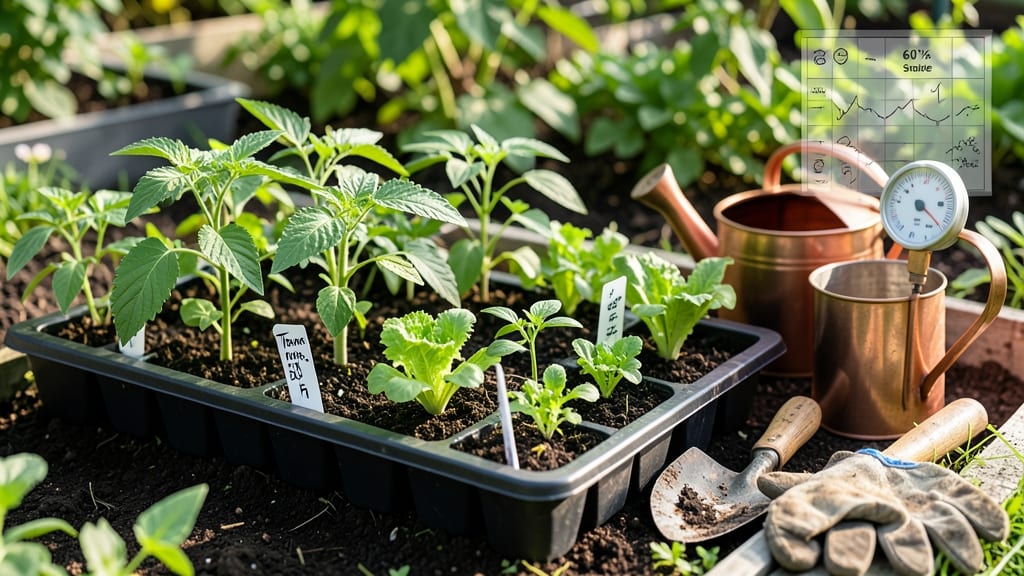
Planting your garden in Tennessee isn't one-size-fits-all—those 30-day windows between frost dates can shift dramatically from East Tennessee's cool Appalachian valleys to West Tennessee's steamy Delta.
If you've ever watched your early tomatoes wilt from a surprise frost or struggled with bolting lettuce in the heat, you know timing is everything.
What most guides won't tell you is that even neighboring counties can have 2-3 week differences in safe planting dates. Whether you're in Nashville's urban heat islands or the Cumberland Plateau's cooler microclimates, knowing your exact last frost zone could mean the difference between a bumper crop and wasted effort.
Let me show you how to pinpoint your local window using UT Extension data and regional adjustments.
We'll break down the 5 key Tennessee gardening zones—from the high-elevation cool pockets to the Delta's long growing seasons—and give you month-by-month start dates for everything from cool-loving greens to heat-tolerant squash. No more guessing whether to plant those peppers in May or wait until June.
Plus, I'll share my top strategies for beating Tennessee's unpredictable weather, including soil-warming hacks for early starters and frost blankets that actually work. By the end, you'll have a customized planting schedule that accounts for your specific microclimate—so you can finally stop playing frost roulette with your garden.
Tennessee’s last frost dates by region: exact planting windows for vegetables, flowers & herbs
Tennessee’s last frost dates vary dramatically by region—sometimes by weeks—due to elevation changes, river valleys, and urban heat islands. In the East Tennessee mountains, frost lingers until mid-April, while the Memphis Delta can be frost-free by March 15.
Knowing your exact microclimate ensures you plant cool-season crops early enough to avoid frost damage and warm-season crops only after soil warms.
For most Tennessee gardeners, the average last frost date falls between March 20 and April 15, but this shifts 2-3 weeks earlier in southern counties like Shelby or Tipton and 2-3 weeks later in the Cumberland Plateau or Appalachian foothills.
Even within a single county, urban areas (like Nashville) warm faster than rural zones. Use these regional guidelines to fine-tune your schedule and avoid common mistakes like planting tomatoes too early in Zone 6 or spinach too late in Zone 7.
Pro Tip: Check your county’s UT Extension office or NOAA frost maps for 5-year averages—some areas like Sevier County (Pigeon Forge) have seen late frosts into May in recent years. For heat-sensitive crops like peppers or eggplants, wait until soil reaches 60°F (use a soil thermometer) even if frost dates suggest readiness.
| Region | Avg. Last Frost | Safe Planting Window | Cold-Hardy Starts | Heat-Tolerant Swaps |
|---|---|---|---|---|
| East TN (Appalachian Foothills) | April 15–May 1 | May 1–15 (after soil warms) | Peas, spinach, kale | Okra, sweet potatoes |
| Middle TN (Nashville Basin) | March 25–April 10 | April 15–May 1 | Lettuce, radishes, broccoli | Peppers, tomatoes, basil |
| West TN (Memphis Delta) | March 10–20 | March 25–April 10 | Collards, turnips, onions | Southern peas, watermelon |
| High Elevation (Cumberland Plateau) | April 20–May 5 | May 10–20 | Potatoes, cabbage, carrots | Zucchini, cucumbers |
| Delta (Shelby, Tipton Counties) | March 1–15 | March 15–30 | Mustard greens, Swiss chard | Sweet corn, cantaloupe |
Adjust dates 1–2 weeks earlier for urban heat islands (e.g., Nashville, Memphis) or later for high-elevation valleys (e.g., Sevier County).
In East Tennessee, where Zone 6 and Zone 7 overlap, gardeners in Sullivan or Greene Counties should wait until May 1 to plant tomatoes and peppers, even if frost dates suggest earlier planting.
The Appalachian Mountains create microclimates where late frosts can hit as late as May 10. For flowers like petunias or marigolds, start seeds indoors by April 1 in East TN to ensure blooms before summer heat.
Meanwhile, West Tennessee’s Delta region (including Shelby and Tipton Counties) often sees frost-free soil by March 15, making it ideal for early sweet corn or squash. However, heat-loving crops like okra or sweet potatoes thrive here with longer growing seasons.
If you’re in Zone 7b (common in Middle TN), aim to plant warm-season crops by April 15 and use row covers for cool crops planted after April 30.
For high-elevation areas like the Cumberland Plateau (e.g., Campbell or Scott Counties), late frosts are a real risk. Use frost cloth for early greens or opt for cold-hardy varieties like ‘Winterbor’ kale. In these zones, planting after May
How to adjust your planting schedule for Tennessee’s unpredictable weather patterns
Tennessee’s weather can shift faster than a spring squall, leaving gardeners scrambling to adjust planting schedules. The Cumberland Plateau might still see frost in May, while Memphis gardens could face 90°F heat by April.
Without flexibility, you risk wasted seeds or stunted plants. The key? Using localized data and adaptive strategies to match your microclimate.
Start by checking NOAA’s Frost/Freeze Forecast for your county—this tool predicts last frost dates with county-level precision. For example, Nashville’s average last frost is April 15, but Chattanooga’s can linger until May 1.
Meanwhile, Jackson’s Delta region often warms enough for tomatoes by March 15. Ignoring these differences means planting too early in the mountains or too late in the Delta.
⚠️ callout warning ⚠️
⚠️ Common Mistake Alert!
Planting warm-season crops like okra or sweet potatoes before soil reaches 65°F (use a soil thermometer!) will stunt growth. In East Tennessee, this often means waiting until May 15—not April 15. Conversely, cool-season crops like spinach or peas planted after March 15 in the Nashville basin may bolt prematurely.
Pro Tip: Use black plastic mulch to warm soil 2-3 weeks faster in cooler zones.
To hedge your bets, use soil warming tricks like clear plastic tunnels or straw mulch to jumpstart spring planting. For late crops, protect seedlings with frost cloths or row covers—even a light frost can kill tender tomato or pepper starts.
In West Tennessee, where heat arrives early, opt for heat-tolerant varieties like ‘Celebrity’ tomatoes or ‘Malabar spinach.
Adjust your schedule by planting in phases. Start cold-hardy crops like kale or carrots 4-6 weeks before your last frost date, then follow with warm-season staples like beans or squash 2 weeks after. Succession planting ensures a continuous harvest and minimizes losses from unpredictable weather.
For real-time adjustments, set up a garden weather station or use apps like PlantNet to track local conditions. If a late frost warning appears, cover vulnerable plants with burlap sacks or old bedsheets.
In high-elevation areas like the Great Smoky Mountains, delay planting until after Mother’s Day—even then, keep emergency frost blankets handy.
Finally, learn from past seasons. Keep a gardening journal noting when you planted, any weather surprises, and how crops performed. Over time, you’ll refine your schedule to match your specific microclimate, turning Tennessee’s unpredictable weather into an advantage.
With these adjustments, you’ll enjoy bountiful harvests—no matter what Mother Nature throws your way. 🌱