
Planting
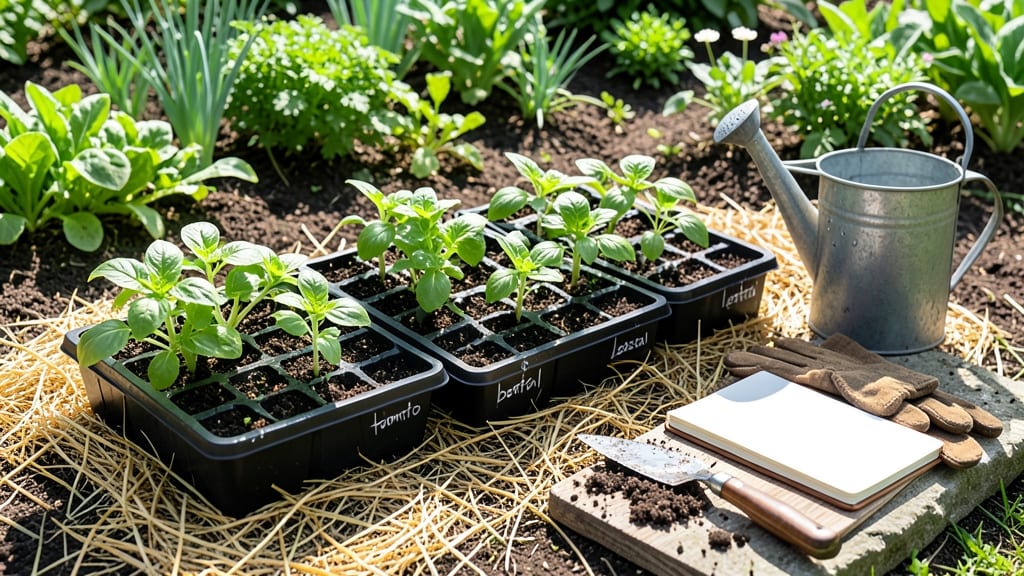
Timing your Tennessee garden planting just right could mean the difference between a thriving harvest and a frost-killed disappointment. With the state's 6a-8a zones offering everything from cool Appalachian mornings to steamy Gulf Coast afternoons, knowing exactly when to plant your 🌱 is the key to success.
Most gardeners in Tennessee wait until after the last frost date—typically around mid-March for northern zones but as late as early April in the southern regions—to plant warm-season crops like tomatoes and peppers.
But cool-season greens and root vegetables can handle a much earlier start, sometimes as soon as February in milder areas.
In this guide, I’ll break down the exact months for planting everything from lettuce to lavender, so you can avoid common mistakes like planting too early in Zone 6b or too late in Zone 8a. Whether you're a beginner or a seasoned gardener, these tips will help you maximize your growing season.
Ready to turn your Tennessee garden into a year-round success? Let’s dive into the best planting windows for your specific heat zone—so you can enjoy fresh produce from spring to fall without a single frost-related setback.
Tennessee planting calendar by heat Zone: exact months to avoid frost damage
Tennessee spans USDA Zones 6b through 8a, meaning your planting schedule should shift depending on whether you're in the cooler Appalachian Mountains or the warmer Gulf Coastal Plain.
The biggest mistake I see? Planting warm-season crops like tomatoes or peppers too early in Zone 6b (e.g., Nashville) or too late in Zone 8a (e.g., Memphis).
To simplify, I’ve mapped out the last frost dates and ideal planting windows for each zone. For example, gardeners in Zone 7a (like Chattanooga) can start cool-season crops in early March, while those in Zone 8a might begin as early as late February.
Warm-season crops, however, should never go in until after the last frost—typically mid-April in northern zones and early March in southern zones.
The key to success? Adjust by 2-4 weeks when moving between zones. For instance, if you’re in Zone 6b, wait until April 15 to plant tomatoes, but in Zone 7b, you can start them by April 1. This table breaks it all down for you:
Notice how the fall planting window also shifts? In Zone 6b, you can still plant cool-season crops like broccoli or spinach until September 15, but in Zone 8a, the window closes by August 15. This is critical for extending your harvest into autumn.
For container gardening or raised beds, you can push these windows slightly earlier or later, as containers warm up faster in spring and retain heat longer in fall. Just be prepared to use row covers if a late frost sneaks in.
One more pro tip: Succession planting works beautifully in Tennessee. For example, sow a new batch of lettuce every 2 weeks from March through September to ensure a continuous harvest.
This is especially useful in Zone 7a and 7b, where the growing season is long but not as extended as in Zone 8a.
If you’re still unsure about your exact zone, check the USDA Plant Hardiness Zone Map or use your ZIP code in a local gardening app. The difference between planting at the right time and risking frost damage can be as little as 2 weeks—so don’t guess! 🌱
Best crops to plant in Tennessee by season: month-by-month guide
Tennessee’s spring and fall planting seasons are your golden tickets to a bountiful garden.
In Zone 6b (like Nashville), you can start cool-season crops like spinach and kale as early as February under row covers, while Zone 8a (like Memphis) can plant the same crops in January—just check your local last frost date.
For warm-season crops like tomatoes and peppers, wait until after the last frost—typically mid-April to early May—to avoid frost damage. In Zone 7a (like Chattanooga), you might even squeeze in a fall planting of broccoli or carrots by mid-August.
Here’s a breakdown of the best crops to plant each month, tailored to Tennessee’s climate:
For Zone 6b, avoid planting warm-season crops before May 1st, as late frosts can still occur. Meanwhile, Zone 8a gardeners can push the envelope by planting fall greens as late as September—just cover them with row fabric if early frosts threaten.
Pro tip: Use succession planting for lettuce and radishes every 2-3 weeks to ensure a continuous harvest. And don’t forget perennials like asparagus and rhubarb, which thrive in Tennessee’s climate once established!