
Plants
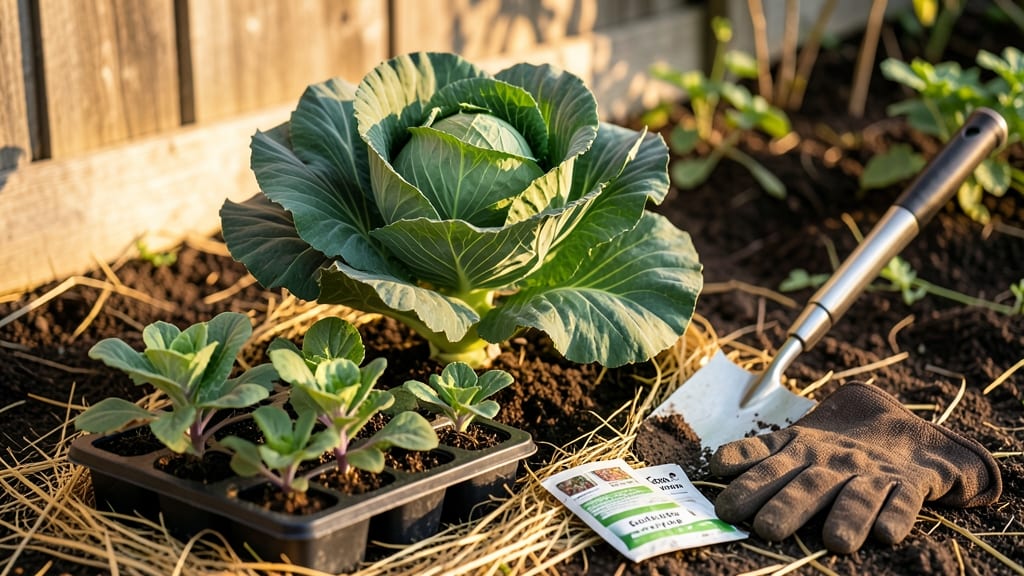
Planting cabbage in North Carolina isn’t just about throwing seeds in the ground—it’s about mastering the delicate balance between spring’s unpredictable warmth and fall’s creeping frost. Get the timing wrong, and you’ll either watch your plants bolt into flower or struggle through a lackluster harvest.
The key? Understanding how coastal microclimates near Wilmington differ from inland zones like Raleigh, where USDA 7a-8b frost dates shift planting windows by weeks.
Most gardeners know cabbage thrives in cool seasons, but what they don’t realize is that coastal areas can plant 2-3 weeks earlier than inland spots—thanks to milder winters and slower soil warming.
Meanwhile, inland growers must time transplants carefully to avoid the heat stress that turns heads bitter or causes bolting before harvest. Whether you’re aiming for May-June spring crops or October-November fall bounty, precision matters.
I’ve tested these strategies across North Carolina’s diverse zones, from the humid lowlands to the mountain valleys, and the results speak for themselves: zero-bolt cabbage with firm, flavorful heads.
In this guide, I’ll break down the exact month-by-month schedule for your region, plus pro tips to adjust for elevation, soil temperature, and even unexpected heatwaves. Ready to grow cabbage that rivals the pros?
Let’s dive into the science—and the secrets—behind planting 🥬 at the perfect moment, so you’re harvesting crisp, market-ready heads instead of fighting a losing battle against the weather.
North Carolina cabbage planting calendar: coastal vs inland timing for zero-bolt success
North Carolina’s diverse climate—from the coastal humidity of Wilmington to the mountain coolness of Asheville—means cabbage planting dates must shift dramatically. Coastal areas enjoy longer growing seasons and milder winters, while inland zones face earlier frosts and hotter summers.
To avoid bolting (when cabbage flowers prematurely), timing is everything. Here’s how to align your planting with your microclimate for crisp, zero-bolt heads every season.
Cabbage thrives in cool weather but bolts when temperatures exceed 75°F for prolonged periods. Coastal NC (USDA zones 8a-8b) can push planting 2-3 weeks later than inland areas (zones 7a-7b).
For example, Wilmington’s last frost averages March 15, while Asheville’s hits April 1. This delay lets coastal gardeners extend their harvest window into late fall without risking heat stress.
Below, compare month-by-month planting windows for coastal vs inland NC, including transplant dates, harvest timelines, and heat tolerance thresholds. Use this as your guide to schedule spring and fall plantings with precision.
For coastal NC gardeners, the extended growing season means you can squeeze in two full harvests: one in late spring and another in fall. Start seeds for spring as early as mid-February and transplant by late March.
By August, you can begin your fall crop, harvesting through November. The key is choosing heat-tolerant
How to adjust planting dates for your North Carolina microclimate
North Carolina’s diverse climate—from the milder coastal regions to the cooler mountain valleys—means your cabbage planting dates should shift based on your local microclimate. Coastal areas like Wilmington enjoy earlier last frosts (mid-March), while inland cities like Asheville often see frost until mid-April.
Even a 500-foot elevation gain can delay planting by 2-3 weeks, so adjust your schedule accordingly.
Soil temperature is your best guide: cabbage thrives when soil reaches 45°F (7°C). Use a soil thermometer to confirm readiness—cooler soils slow germination and invite rot. In USDA Zone 7a (mountains), aim for mid-April transplants, while Zone 8b (coastal) can start as early as late March.
Pro tip: Test soil moisture too—dry soil heats up faster and stresses young plants.
⚠️ callout warning ⚠️
If your cabbage bolts (sends up a flower stalk) too early, it’s usually due to heat stress or crowded roots. In North Carolina’s summer heat (especially inland), transplant late summer crops by August 15 to avoid 90°F+ temperatures. Use shade cloth (30-50%) for young plants to buy time. Coastal areas can extend fall planting to early September, but monitor first frost dates—mountain gardens may need harvests pulled by October 1.
Extend your season with row covers or cold frames to push spring planting 2-3 weeks earlier or fall harvests 1-2 weeks later. For example, in Raleigh, cover transplants in late February to protect against 28°F (-2°C) dips.
Remove covers when plants are 4-6 inches tall to prevent overheating. Succession planting every 2 weeks ensures a steady harvest—sow half your seeds in March and the rest in early August for fall crops.
Watch for yellowing leaves or loose heads, signs of bolting. If you spot a flower stalk, harvest immediately or pull the plant—bolted cabbage is bitter and woody. Heat-tolerant varieties like 'Tendercrisp' handle NC summers better than 'Golden Acre', which bolts faster in 85°F+ weather.
Always mulch with straw to keep roots cool and moist, reducing stress.
For container gardening, start seeds indoors 6-8 weeks before last frost and move pots to a sheltered porch 1 week before transplanting. Containers dry out faster, so water daily in summer and use self-watering pots if possible.
Inland gardeners should prioritize shade during peak afternoon sun—a 30% shade cloth can drop leaf temps by 10°F (5°C), preventing bolting.
Track your local heat units (growing degree days) via the NC State Extension website to fine-tune dates. For instance, Wilmington accumulates 200+ heat units by April 1, while Boone hits that mark by May 1.
Adjust your planting window accordingly—this data is your secret weapon for zero-bolt cabbage in any NC microclimate. 🥬