
Companion Plants
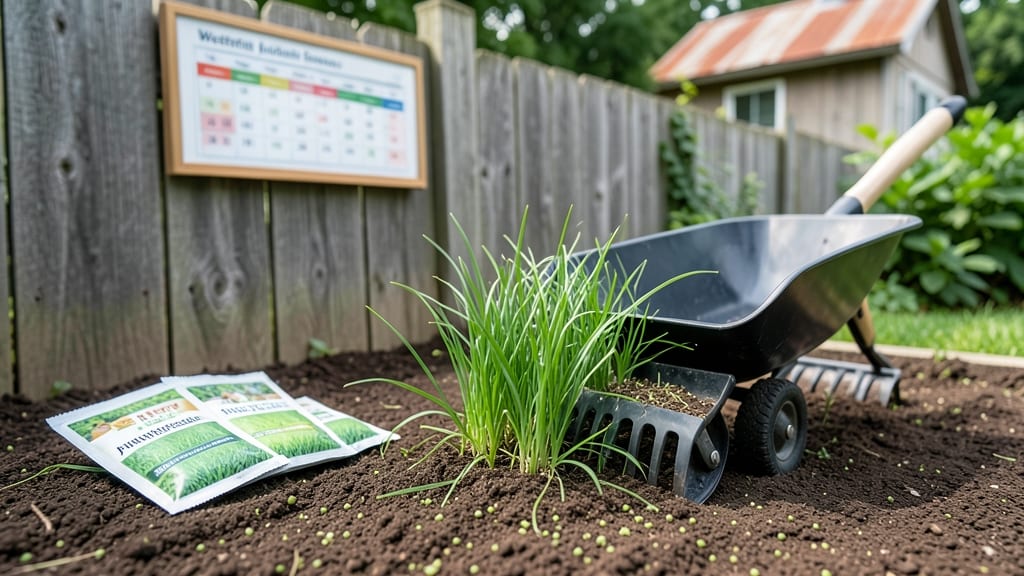
Planting grass seed in Minnesota at the wrong time can leave you staring at bare patches well into summer—so timing is everything.
With frost dates that shift yearly and a growing season that’s shorter than most, knowing when to plant is the difference between a lush lawn and a frustrating wait. The best window? Early spring or late summer, when soil temperatures hit that sweet spot for germination.
In USDA zones 3a-5b, your grass needs 4-6 weeks before the last frost (usually around April 15) to establish strong roots before winter hits. But don’t overlook fall—planting in early September gives seedlings time to grow before the ground freezes, a trick that’s worked for Minnesota lawns for decades.
The key is avoiding those late-spring heatwaves that dry out fresh seed before it can take hold.
Why does this matter? Because cool-season grasses (like Kentucky bluegrass and fescue) thrive in Minnesota’s climate, but only if they get a head start. Skipping the right window means weaker roots, more weeds, and a lawn that struggles to bounce back from winter.
Let’s break down exactly when to plant for the best results—and how to prep your soil so your grass stands up to Minnesota’s extremes.
Whether you’re seeding a new yard or patching thin spots, getting the timing right saves you time, money, and frustration. I’ll walk you through the exact months to aim for, plus pro tips to beat Minnesota’s unpredictable weather. Ready to grow grass that lasts? Let’s get started.
Best months to plant grass seed in Minnesota for optimal growth
Timing your grass seed planting in Minnesota is critical—get it right, and you’ll have a thick, green lawn by summer. The best months depend on your USDA hardiness zone (3a-5b) and whether you’re in southern or northern MN.
Cool-season grasses like Kentucky bluegrass and tall fescue thrive when planted in early spring or early fall, while warm-season grasses like buffalo grass prefer late spring. Let’s break it down for your region.
Minnesota’s frost dates are your biggest guide. In northern MN (zones 3a-4a), the last frost typically arrives around May 15, while southern MN (zones 4b-5b) sees frost-free conditions by April 15.
Planting 4-6 weeks before the last frost ensures seeds germinate in 50-60°F soil, the ideal temperature for root establishment. Early fall (late August to September) is another prime window—seeds grow slowly but develop deep roots before winter.
Here’s a quick comparison to help you decide:
| Planting Window | Best Months | Soil Temp Requirement | USDA Zones | Key Advantage |
|---|---|---|---|---|
| Early Spring | March–April | 50–60°F | 3a–5b | Longer growing season before summer heat |
| Early Fall | Late August–September | 55–65°F | 3a–5b | Cooler temps reduce weed competition |
| Late Spring (Warm-Season) | May–June | 65–75°F | 4b–5b (southern MN) | Best for drought-resistant grasses |
For northern Minnesota (zones 3a-4a), focus on early spring planting (March–April). The soil warms quickly in April, giving seeds time to germinate before summer’s heat. If you miss spring, late August is your next best shot—seeds will establish roots before the first frost (mid-October).
In southern MN (zones 4b-5b), you have more flexibility. You can plant as early as February (if soil isn’t frozen) or push into May for warm-season grasses like zoysia.
Avoid planting in late spring (May–June) unless you’re using warm-season grasses. Cool-season grasses planted too late will struggle with summer heat and drought. Similarly, fall planting after September risks seeds germinating too late, leaving them vulnerable to frost.
Always check the 7-day soil temperature forecast—aim for consistent temps above 50°F for at least 2 weeks.
Pro tip: Use a soil thermometer to confirm temps. Bury it 2 inches deep (where seeds will be) and monitor for 3–5 days before planting. If temps dip below 50°F, wait—cold soil slows germination and invites disease.
In urban areas, heat from pavement can raise soil temps earlier than rural zones, so adjust your timeline accordingly.
Minnesota’s rainfall patterns also play a role. Spring planting benefits from consistent moisture, but summer droughts can stress new seedlings. Early fall planting, however, aligns with cooler, wetter conditions, reducing watering demands.
If you’re in a dry year, prioritize fall planting—seeds will establish roots before winter, giving you a head start in spring.
One common mistake? Skipping soil preparation. No matter the season, test your soil pH (ideal: 6.0–7.0) and amend with compost or lime if needed. Aerate 2–4 weeks before planting to improve seed-to-soil contact.
For sandy soils (common in northern MN), mix in peat moss to retain moisture, while clay-heavy soils (southern MN) benefit from gypsum to improve drainage.
Remember: Grass seed needs 1–2 inches of water weekly for the first 4–6 weeks after planting. Use a rain gauge to track rainfall—Minnesota’s unpredictable showers can make this tricky! Water deeply in the early morning to reduce evaporation and fungal risks.
With the right timing and care, your lawn will be the envy of the neighborhood by next summer. 🌱
How Minnesota’s climate affects grass seed germination success
Minnesota’s climate—with its freezing winters, short growing season, and variable frost dates—plays a huge role in whether your grass seed takes root. The wrong timing can leave you with patchy lawns or wasted seed, while the right approach ensures thick, resilient grass that handles MN’s extremes.
Understanding these climate factors helps you choose the best planting window for your location.
Cool-season grasses like Kentucky bluegrass and fescue dominate Minnesota lawns because they thrive in cooler temperatures and tolerate frost. Warm-season grasses like zoysia or buffalo grass struggle here unless planted in southern MN, where summers are hotter. Your grass type must match your USDA hardiness zone (3a–5b) and local microclimate.
Urban areas like Minneapolis or St. Paul often face heat islands—warmer microclimates that can extend growing seasons by 2–4 weeks compared to rural zones. Rural areas, meanwhile, experience more temperature swings and soil moisture fluctuations, making precise timing even more critical.
Adjust your schedule based on whether you’re in the Twin Cities metro or a northern county like Duluth.
⚠️ Critical Timing Warning for MN Grass Seed
Planting too early (before soil temps hit 50°F) risks frost damage to seedlings. Planting too late (after August 15) gives grass insufficient time to establish deep roots before winter. Rural areas should aim for 4–6 weeks before first frost (typically late August to early September), while urban heat islands can extend this window by 2 weeks.
Rainfall patterns are another MN wild card. Spring rains can saturate soil, delaying planting, while summer droughts stress young grass. In northern MN, May often brings heavy snowmelt, making early spring planting risky.
Southern MN’s drier summers demand extra irrigation if you plant in June. Always check the 7-day forecast for steady, moderate rain (1–1.5 inches/week) before sowing.
Heat tolerance varies dramatically between grass types. Cool-season grasses like tall fescue go dormant in 90°F+ heat, while warm-season grasses like bermudagrass (rare in MN) thrive in 85°F+ but struggle with frost.
If you’re in Zone 5b (southern MN), you might experiment with warm-season mixes, but most Minnesotans stick to cool-season blends for year-round resilience.
Adjust your planting schedule based on soil temperature, not just calendar dates. Use a soil thermometer to confirm 50–60°F soil temps at 4-inch depth—ideal for germination. In urban areas, pavement and buildings can create microclimates 5–10°F warmer than rural fields, so monitor your specific site.
Rural gardeners should plant 2 weeks earlier than urban neighbors to account for cooler soils.