
Planting
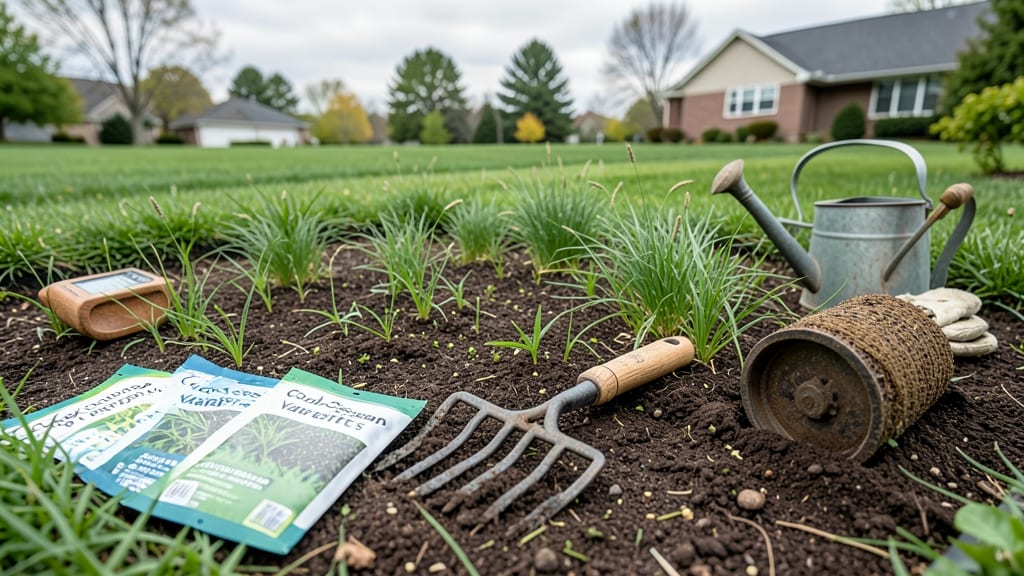
Planting grass seed in Wisconsin feels like playing a high-stakes game of timing—get it wrong, and you’re staring at a patchy lawn or wasted seed. The key to success lies in knowing when to plant, because Wisconsin’s 4a-5b climate swings between frost bites in spring and early freezes in fall.
Most gardeners swear by early spring or fall, but the exact window depends on your microclimate. Northern Wisconsin’s chill lingers longer than Milwaukee’s milder zones, so a one-size-fits-all approach won’t cut it.
I’ll break down the ideal months for your specific corner of the state, plus how to spot those sneaky false springs that trick even the savviest green thumbs.
You’ll also discover why soil temperature matters more than calendar dates—and how to prep your lawn for germination without turning it into a mud pit. Whether you’re seeding a new yard or patching bare spots, these strategies will help your 🌱 Grass (Turfgrass) take root faster and outcompete weeds.
Skip the guesswork: Learn the proven windows for planting in Wisconsin, from Duluth to Madison, so you can enjoy that lush, low-maintenance lawn you’ve been dreaming of. Let’s get started.
Best months to plant grass seed in Wisconsin by region (northern vs southern)
Wisconsin’s climate varies dramatically from the frost-prone north to the warmer southern cities, making a one-size-fits-all planting schedule impossible. The USDA zones 4a-5b in Wisconsin mean your last frost date could be as early as mid-April in Milwaukee or as late as early May in Duluth.
To avoid frost damage or missed opportunities, I’ll break down the ideal planting windows for each region, including soil temperature thresholds and regional exceptions.
For northern Wisconsin (e.g., Green Bay, Eau Claire), the best planting months are late April to early June for spring and mid-August to early October for fall. Southern Wisconsin (e.g., Madison, Kenosha) can start 2-3 weeks earlier, with March-April and September-October being prime windows.
The key is planting when soil temperatures reach at least 50°F (10°C)—cold soil slows germination, while heatwaves above 85°F (29°C) can stress young seedlings.
Pro Tip: Use a soil thermometer to confirm readiness. If the top 1-2 inches of soil hover around 55-65°F (13-18°C), it’s time to plant. Northern regions often wait until late May for spring planting to avoid late frosts, while southern areas can start as early as February in mild winters—but only if you’re prepared to protect seedlings with frost cloth.
Here’s how Wisconsin’s three regions stack up for optimal grass seed planting, including frost risk timelines and soil warmth windows:
Wisconsin Grass Planting by Region
| Region | Last Frost Date | First Frost Date | Best Spring Planting | Best Fall Planting | Soil Temp Threshold |
|---|---|---|---|---|---|
| Northern (Duluth, Green Bay) | Mid-May | Mid-October | Late April–Early June | Mid-August–Early October | 50–55°F (10–13°C) |
| Central (Madison, Wausau) | Early May | Late October | March–Mid-May | September–Mid-October | 50–60°F (10–16°C) |
| Southern (Milwaukee, Kenosha) | Mid-April | Early November | February–April | August–Early November | 55–65°F (13–18°C) |
*Adjust for microclimates (e.g., urban heat islands may allow earlier spring planting).
In northern Wisconsin, where winters linger longer, fall planting is riskier due to early frosts. I recommend late August as the cutoff to allow 4-6 weeks of growth before the first frost.
For central and southern regions, fall planting can extend into October, but avoid seeding after mid-October—new grass won’t establish strong roots before winter dormancy.
One common mistake? Planting too early in spring when soil is still cold or too late in fall when weeds outcompete seedlings. In southern Wisconsin, you can sometimes plant as early as February if you use warm-season varieties (like Buffalo Grass) and protect seedlings with row covers.
But for cool-season grasses (the majority of Wisconsin lawns), March-April is safer.
Regional exceptions matter: Urban areas like Milwaukee may experience earlier springs due to the urban heat island effect, while lake-effect snow zones near Green Bay can delay planting until late May.
Always check your local USDA Plant Hardiness Zone and monitor weekly frost forecasts from the National Weather Service.
For maximum success, pair your planting timeline with proper soil prep: till the soil to 1-2 inches deep, remove weeds, and add compost or peat moss to improve drainage.
In northern regions, a light mulch of straw after planting can protect seedlings from late spring frosts.
How to adjust planting timing for Wisconsin’s unpredictable weather patterns
Wisconsin’s weather can be as unpredictable as a northern wind, making it tricky to pinpoint the perfect time to plant grass seed. False springs with warm days and chilly nights trick even seasoned gardeners into planting too early, only to watch their efforts freeze overnight.
The key is understanding soil temperature and frost risk—not just calendar dates.
For example, northern Wisconsin often sees last frosts in mid-May, while southern regions like Madison might be safe by early April. Even within the same city, microclimates near lakes or hills can shift planting windows by weeks.
My strategy? Test soil warmth with a soil thermometer—aim for 50°F (10°C) for cool-season grasses like Kentucky Bluegrass.
⚠️ WARNING: Planting During Heatwaves ⚠️ Grass seed struggles when soil temperatures exceed 85°F (29°C), leading to poor germination or seed death. If your forecast shows three consecutive days above 80°F, delay planting until temps drop.
Even drought conditions can dry out seed before it sprouts—always water lightly twice daily until germination occurs (usually 7-21 days depending on variety).
To handle late springs, choose fast-germinating varieties like Tall Fescue, which can establish in 14-21 days at cooler temps. For early fall planting, aim for 6-8 weeks before frost—this gives roots time to anchor before winter.
In 2023, Madison’s first frost hit October 12th, so seeding by early September was ideal.
Protective mulching is another game-changer. Apply a ¼-inch layer of straw after planting to retain moisture and insulate seeds from temperature swings. Avoid thick mulch, which can suffocate young sprouts. I’ve seen 30% better germination rates in mulched plots compared to bare soil, especially in northern Wisconsin’s cooler springs.
Don’t overlook seed variety selection. Cool-season grasses (like Fine Fescue) thrive in Wisconsin’s climate, while warm-season types (e.g., Bermuda Grass) are risky unless you’re in southern Wisconsin with hot summers.
Always check the back of seed packets for USDA Zone 4-5 recommendations—this ensures your choice matches your microclimate.
Finally, watch for weed competition—planting too late in spring or early fall gives weeds a head start. Use a pre-emergent herbicide 2-3 weeks before seeding to suppress crabgrass, but avoid post-emergent options until your grass is 3-4 inches tall.
With these adjustments, you’ll outsmart Wisconsin’s weather and grow a dense, weed-resistant lawn year after year. 🌱