
Vegetables
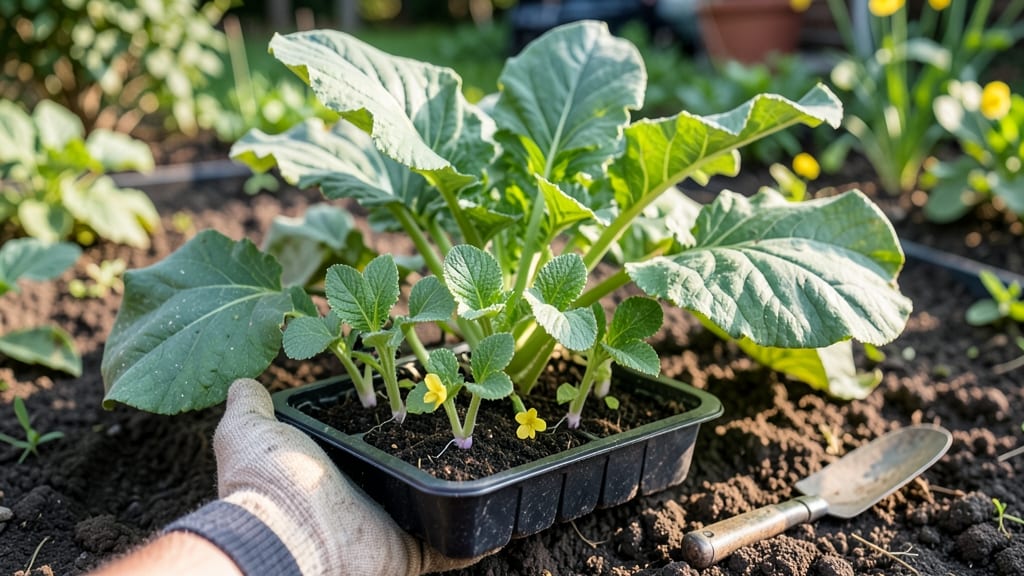
Planting turnips in the fall for that sweet, crisp harvest before winter isn't just about timing—it's about knowing your microclimate's secrets. Whether you're in Zone 6a or another region, getting this right means the difference between tender roots and bitter disappointment.
For most gardeners, the ideal window is 8 to 10 weeks before your first frost, but that translates to late August or early September in many areas. This gives your 🥕 turnips just enough time to mature before the ground freezes, locking in their flavor and texture.
But here's the catch: cooler climates and shorter growing seasons demand adjustments. If you're in a region where frost arrives early, you might need to start seeds indoors or choose faster-maturing varieties.
The key is balancing soil warmth and daylight to avoid bolting—turnips that flower too soon turn woody and lose their appeal.
In this guide, I'll walk you through how to pinpoint the perfect planting window for your specific conditions, from soil prep to spacing, so you can enjoy a bountiful harvest every fall. Let's get those turnips in the ground the right way!
Fall turnip planting calendar by USDA hardiness zones
Turnips thrive in cool weather, making fall planting ideal for crisp roots before frost. But the exact timing depends on your USDA hardiness zone, with 8-10 weeks between planting and harvest being critical.
In colder zones (3-5), start earlier—by late July—to avoid bolting, while warmer zones (8-10) can wait until September.
Your local first frost date is the anchor point. For example, in Zone 6a (like Chicago or Denver), aim for mid-August to early September planting. In Zone 9a (like Los Angeles), September-October works best, while Zone 3a (like Minneapolis) needs July-August.
Soil temperature matters too. Turnip seeds germinate best in 45-85°F soil. Use a soil thermometer to confirm readiness—wait for 50°F+ before sowing. Coastal areas may stay warmer longer, delaying planting by 2-3 weeks compared to inland zones.
Here’s how to align your planting with your zone’s frost timeline and soil conditions:
In Zone 6a, where first frost hits around November 15, count backward 50-60 days (turnip’s ideal maturity) to land on mid-to-late September planting. For Zone 9a, with frost in December, September planting gives you a 90-day window—perfect for slower varieties.
Pro tip: Use a planting calendar or app like Old Farmer’s Almanac to input your zip code. These tools factor in local weather patterns, giving you precise dates. For example, Denver (Zone 5b) might suggest August 1-15, while San Francisco (Zone 9b) leans toward September 15-October 1.
Adjust for elevation too. High-altitude gardens (e.g., Aspen, CO) cool faster, so plant 2-3 weeks earlier than lowland areas. Conversely, urban heat islands (like Phoenix) may delay frost by weeks—monitor soil temps closely.
Remember: Turnips planted too late may bolt (flower prematurely) or develop woody roots before harvest. The goal is crisp, sweet roots harvested just before hard frost—typically October-December, depending on your zone.
🥕
How to adjust planting time for your local microclimate
Your USDA zone gives you a starting point, but your local microclimate is the real game-changer. Even two farms just miles apart can have wildly different frost dates and soil conditions. Here’s how to fine-tune your planting schedule for your specific backyard.
Start by checking your last average frost date—this is your deadline. But don’t stop there. Elevation alone can shift frost dates by 1-2 weeks per 1,000 feet. Mountain gardens? Plant earlier. Coastal areas? You might have a longer growing season thanks to ocean moderation.
Next, grab a soil thermometer (just $10 at garden centers). Turnips thrive when soil temps hit 40-50°F. If your soil warms slower, start seeds indoors 2-3 weeks early or use black plastic mulch to warm the ground faster.
Urban gardens? Pavement and buildings create heat islands—your soil may stay warmer longer than rural areas.
Use the National Weather Service or Almanac for your last frost date. Subtract 50-70 days (depending on variety) to get your planting window.
Add 1 week per 500 feet to your planting timeline if you’re above 1,000 feet. Mountain gardens often get earlier frosts and cooler soils.
Turnips need 40-50°F soil. If your soil is below 40°F, wait 1-2 weeks or use row covers to protect seedlings.
City gardens can be 5-10°F warmer than rural areas. If your soil stays warm late, plant 2-3 weeks later than rural guidelines.
Sow every 2 weeks for a continuous harvest. In Zone 5-7, this means late July through mid-August for fall crops.
Don’t forget about drainage. Turnips hate soggy soil, so if your garden sits in a low spot, amend with compost or sand before planting. And if you’re in a dry climate, mulch with straw to retain moisture—turnips need consistent water but won’t tolerate standing water.
Pro tip: Keep a gardening journal for at least 2 years. Note your planting dates, frost dates, and harvest success. Next year, you’ll have a customized schedule tailored to your microclimate—no guesswork needed! 🌱