
Plants
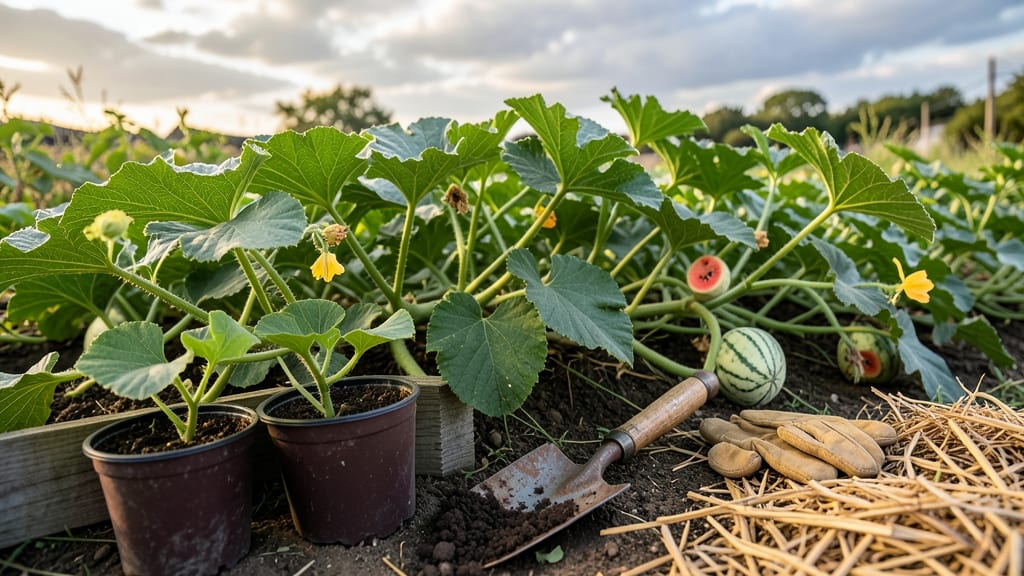
Planting watermelons in Texas isn’t just about dropping seeds in the dirt—it’s about catching that narrow window between frost risk and scorching heat that turns vines into crispy straw.
The wrong timing means either losing your crop to late freezes or watching your plants wilt under 100°F+ soil before they even set fruit.
If you’ve ever planted too early and watched frost claim your seedlings or too late and struggled with stunted growth, you know the stakes. Texas’s 8a-10b zones give you a 3-month window—from mid-March to late July—but the real magic happens when soil hits 70°F and stays there.
That’s your green light to start seeds or transplant with confidence.
Here’s the game-changer: I’ll break down the exact planting deadlines by region (North vs. South Texas), plus pro tips to extend your season—whether you’re racing frost with row covers or pushing late starts with shade cloth.
By the end, you’ll know not just when to plant, but how to give your 🍉 vines the best shot at sweet, vine-ripened success.
Ready to turn your Texas garden into a watermelon goldmine? Let’s dive into the heat zone deadlines that separate thriving crops from bitter failures.
Texas heat Zone planting deadlines for watermelons (frost-free guarantee)
Texas spans three distinct heat zones with wildly different last frost dates—from Mid-February in South Texas to Late March in the Panhandle. Watermelons (Cucumis melo) demand soil temps of 70°F+ and frost-free conditions, making timing critical.
Plant too early, and frost will kill tender seedlings; too late, and blistering summer heat can stunt fruit development.
North Texas gardeners (USDA Zone 8a) should wait until mid-April after the average last frost date of March 15.
Central Texas (Zone 8b-9a) can start as early as late March, while South Texas (Zone 9b-10a) enjoys a 6-week head start, planting by mid-February.
🌱
| Texas Region | USDA Zone | Last Frost Date | Optimal Planting Window | Soil Temp Requirement |
|---|---|---|---|---|
| North Texas (Dallas, Fort Worth) | 8a | Mid-February | Mid-April to Late May | 70°F+ (21°C+) |
| Central Texas (Austin, San Antonio) | 8b-9a | Late February | Late March to Early June | 70°F+ (21°C+) |
| South Texas (Houston, Corpus Christi) | 9b-10a | Early February | Mid-February to Late July | 70°F+ (21°C+) |
⚠️ Pro Tip: Use a soil thermometer to confirm temps—60°F soil = seedling death.
For maximum yield, aim to harvest before September 15 in North Texas and October 15 in South Texas. Watermelons need 75-90 days to mature, so late July plantings risk overripe fruit before frost. Use heat-tolerant varieties like 'Sugar Baby' (70 days) for extended seasons.
🌡️ Soil temperature is more critical than air temperature. Bury a soil thermometer 2 inches deep—wait until it hits 70°F consistently for 3+ days. Black plastic mulch can raise soil temps by 5-10°F, letting you plant 2-3 weeks earlier in cooler zones.
📅 Transplant shock is a common issue. Start seeds indoors 2-3 weeks before your region's last frost, then harden off seedlings for 7-10 days before moving them outdoors. Use shade cloth (30-50%) for the first 5-7 days to reduce stress.
🌿 Container growing extends options. Use 5-gallon pots for dwarf varieties like 'Tiny Tim' (60 days), planting April 1-May 15 in North Texas. Containers warm faster than soil, letting you plant 10-14 days earlier than ground plantings.
✂️ Pruning isn't typical for watermelons, but removing side shoots (suckers) can redirect energy to fruit production. Focus on maintaining 1-2 primary vines per plant to avoid overcrowding and improve air circulation, reducing disease risk.
💧 Watering becomes critical in Texas summers. Deep-water every 2-3 days during fruit development, aiming for 1-2 inches per week. Drip irrigation prevents leaf diseases like powdery mildew, while mulching with straw retains moisture and keeps roots cool.
How to extend your Texas watermelon season (cold start vs. heat tolerance)
Texas’s short growing window for watermelons doesn’t mean you’re stuck with just one chance at harvest. With the right techniques, you can push your planting dates 2-4 weeks earlier or 3-6 weeks later—without sacrificing fruit quality.
The key lies in managing soil temperature, protecting young plants, and choosing heat-tolerant varieties that thrive in Texas’s extremes.
For gardeners in North Texas (Zones 8a-8b), where frost lingers until late March, extending the season means racing against time. In South Texas (Zones 9a-10b), the challenge shifts to beating the 100°F+ soil that stunts growth if planted too late.
Both scenarios require strategic adjustments to avoid common pitfalls like transplant shock or blossom drop.
🔹 Pro Tip: Use a soil thermometer to monitor temperatures—watermelon seeds need 70°F+ soil to germinate, while established plants thrive in 85-95°F conditions. If your soil is too cold, try these hacks to warm it up faster:
- Black plastic mulch: Spread black plastic 2-3 weeks before planting to raise soil temps by 10-15°F.
- Clear plastic tunnels: Cover seedlings with clear plastic during the day to trap heat (remove at night to prevent overheating).
- Compost piles: Place hot compost near planting rows to radiate warmth into the soil.
- Drip irrigation: Run warm water through drip lines for 1-2 hours daily to stabilize soil temps.
If you’re planting early in North Texas, protect young seedlings with frost blankets or row covers until soil warms. For late plantings in South Texas, use shade cloth (30-50%) to shield plants from intense afternoon sun while they establish roots.
This dual approach lets you start seeds indoors 4-6 weeks before last frost or transplant in August for a fall harvest.
Another game-changer? Heat-resistant varieties like 'Sugar Baby' or 'Crimson Sweet' handle Texas’s summer heat better than traditional picks. Pair them with deep mulching (straw or wood chips) to retain moisture and cool roots. Avoid overwatering—drip irrigation at the base prevents fungal diseases that thrive in humid Texas summers.
For a fall harvest, aim to plant watermelons by mid-July in North Texas or early August in South Texas. Choose fast-maturing varieties (60-70 days) to beat the first frost, and watch for brown tendrils and deep rind color to time your harvest perfectly.
🌱 With these adjustments, you can turn Texas’s challenging climate into a watermelon-growing advantage—enjoying fresh, vine-ripened fruit from spring to fall!