
Plants
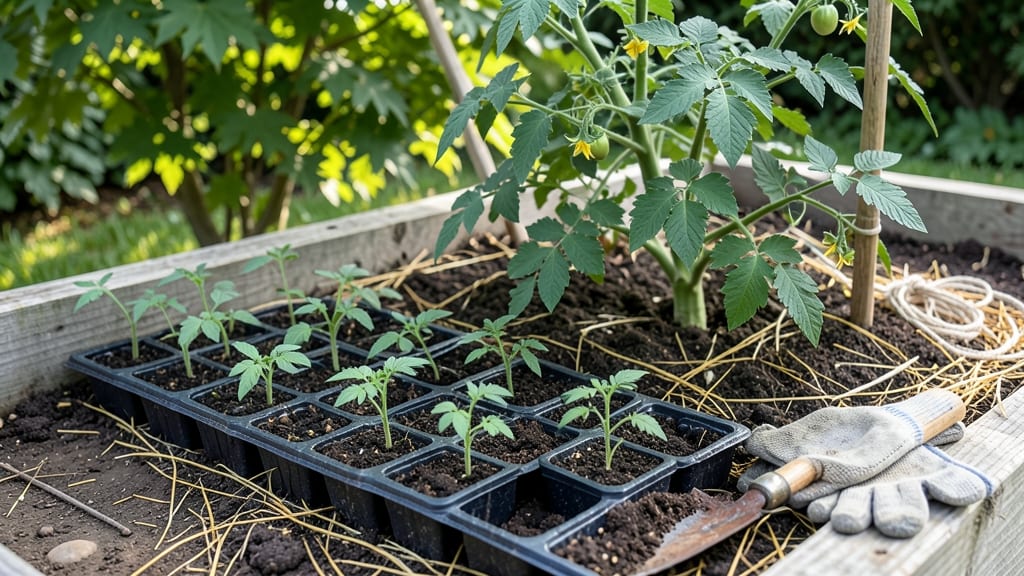
When is the best time to plant the tomatoes in Ohio can mean the difference between a bumper crop of juicy 🍅 and a sad, frost-nipped disappointment. The best time to plant tomatoes in Ohio isn't just about waiting for spring—it's about understanding your microclimate, whether you're in chilly Zone 6a or a warmer southern pocket.
Most Ohio gardeners wait until after the last frost date—typically mid-April—but that's just the starting line. Soil temperature matters just as much as calendar dates, and rushing your plants into cold ground can stunt their growth or invite disease.
The key is patience: aim for when the soil hits at least 60°F, usually by late April or early May.
But here's the twist: Ohio's diverse geography means your neighbor's perfect planting window might not work for you. Urban heat islands, lake-effect cooling, and even elevation changes can shift your ideal dates by weeks.
I'll break down exactly how to read your local frost data and adjust for your specific corner of the state.
By the end, you'll know not just when to plant, but how to set your tomatoes up for success—whether you're starting seeds indoors or diving straight into the garden bed. Let's get those 🍅 growing the right way.
Ohio’s tomato planting zones: exact dates by last-frost risk
Ohio’s USDA hardiness zones 4-7 create a patchwork of planting windows—what’s perfect in southern Ohio (zone 6b) might be risky in northeastern Ohio (zone 5b). The key? Your last frost date, which varies by 5-6 weeks across the state.
For example, Toledo typically sees its last frost by April 15, while Athens can plant as early as March 20. But don’t just rely on averages—check your local Cooperative Extension Service for real-time updates.
Tomatoes need warm soil (60°F+) and consistent warmth to thrive. A soil thermometer is your best friend—plant only when the ground stays above 55°F for 2 weeks.
In Ohio, this usually aligns with mid-May for northern zones and early April for southern zones. Urban heat islands (like Columbus) can push soil warmth 1-2 weeks earlier than rural areas, so test your spot!
Here’s how Ohio’s regions break down for tomato planting windows, accounting for microclimates and heat unit accumulation (tomatoes need 1,000+ growing degree days):
| Region | USDA Zone | Avg. Last Frost | Ideal Planting Window | Soil Temp Goal | Heat Units Needed |
|---|---|---|---|---|---|
| Northeast Ohio (Cleveland, Toledo) | 5a-5b | April 15–May 1 | May 15–June 1 (after soil warms) | 60°F+ for 2 weeks | 1,000–1,200 GDD |
| Northwest Ohio (Findlay, Lima) | 5b-6a | April 1–April 15 | April 20–May 10 | 60°F+ for 2 weeks | 1,100–1,300 GDD |
| Central Ohio (Columbus, Dayton) | 6a-6b | March 20–April 5 | April 10–May 1 | 58°F+ for 1 week | 1,200–1,400 GDD |
| Southeast Ohio (Athens, Cambridge) | 6b-7a | March 10–March 20 | March 25–April 10 | 55°F+ for 1 week | 1,300–1,500 GDD |
| Southwest Ohio (Cincinnati, Dayton) | 6a-6b | March 25–April 5 | April 10–April 25 | 58°F+ for 1 week | 1,200–1,400 GDD |
*GDD = Growing Degree Days (calculate using this tool)
Pro tip: Use row covers
Proven strategies to extend Ohio’s growing season for tomatoes
Ohio’s short growing season can feel like a race against time, but with the right strategies, you can stretch your tomato harvest by 4-6 weeks—or even longer. The key is combining heat protection, early starts, and succession planting to outsmart Ohio’s unpredictable weather.
I’ve tested these methods in my own garden, and they’ve added hundreds of pounds of tomatoes to my harvest!
For gardeners in northern Ohio (like Cleveland or Toledo), where frost lingers until mid-May, starting tomatoes indoors 8-10 weeks before the last frost gives them a head start. Use grow lights or a sunny windowsill to keep seedlings strong until transplanting.
Meanwhile, southern Ohio gardeners (think Columbus or Cincinnati) can push their season later by using row covers or cold frames to protect plants from fall frosts as late as October 15.
Sow seeds 8-10 weeks before last frost. Use biodegradable pots to avoid root shock when transplanting.
Floating row covers raise soil temps by 5-8°F and protect against light frosts (down to 28°F).
Sow new seeds every 2 weeks from May to July for a continuous harvest until frost.
Try 'Celebrity' (disease-resistant) or 'Mountain Merit' (crack-resistant) for Ohio’s hot, humid summers.
Warms soil 10°F faster than bare earth and suppresses weeds. Perfect for late spring plantings.
Don’t overlook cold frames or low tunnels—these can extend your season by 6-8 weeks in both directions. I’ve used a simple PVC hoop tunnel covered with agricultural plastic to keep my tomatoes producing until early November in my Zone 6a garden.
Just remember to vent the cover on warm days to prevent overheating.
For container gardeners, black pots absorb heat better than traditional terracotta, giving your plants a 2-3°F advantage. Pair them with self-watering systems to handle Ohio’s summer droughts without skipping a beat.
And if you’re in a windy area (like near Lake Erie), stake your plants early to prevent windburn or stem damage.
Finally, keep an eye on your local weather forecasts and use tools like the Ohio State University Extension’s Frost/Freeze Forecast. This free resource sends alerts when dangerous cold snaps are coming, giving you time to cover your plants.
With these strategies, you’ll turn Ohio’s short season into a tomato-growing powerhouse! 🌱