
Plants
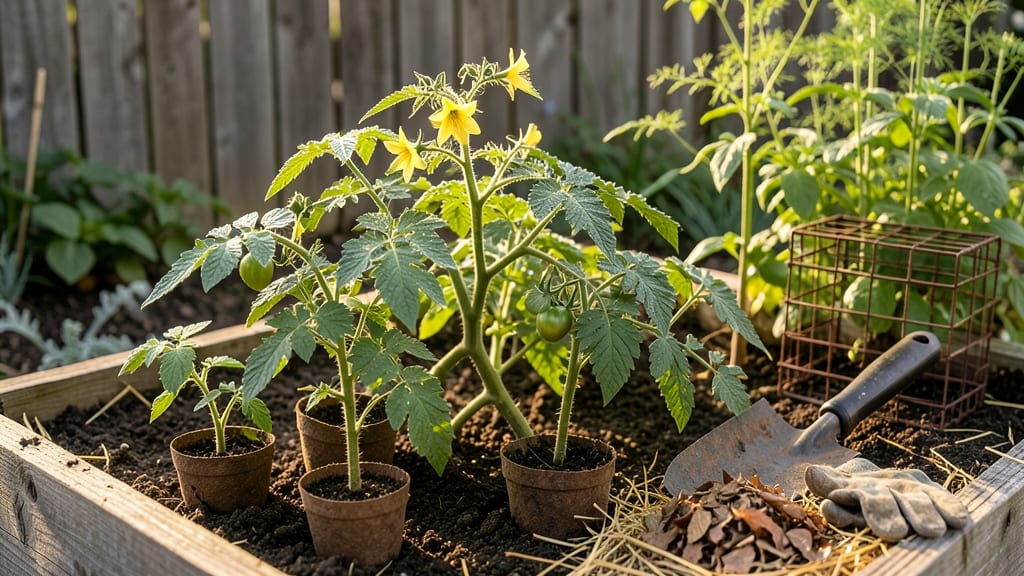
Planting tomatoes in Missouri isn't just about waiting for spring—it's about catching the best time to plant tomatoes in Missouri between frost threats and scorching summer heat.
The wrong timing can leave your 🍅 seedlings wilting or your harvest stunted, but with Missouri's 5b-6b zones, there's a science to getting it right.
Most gardeners in St. Louis or Kansas City know the frustration of late frosts ruining early starts, while rural areas might face different challenges. The key? Planting after your last frost date—typically around April 15—when soil temps hit 60°F and nighttime lows stay above 50°F.
But here's the game-changer: whether you're transplanting seedlings or direct-sowing, the method matters just as much as the timing.
I've tested both approaches across Missouri's microclimates, and what works in Zone 5b might fail in Zone 6b.
Let me break down the exact weeks to plant for your region, plus pro tips to extend your season—whether you're using cold frames or black plastic mulch to warm the soil faster.
Ready to turn your Missouri garden into a tomato powerhouse? You'll discover the best varieties for your heat zone, how to protect young plants from late frosts, and when to fertilize for maximum yield. Let's get those seeds in the ground the right way.
Missouri heat Zone map: exact planting dates by region (2024)
Missouri’s diverse climate—from the cooler northern hills to the humid southern valleys—means your tomato planting window can vary by up to 3 weeks. Understanding your USDA heat zone (5a-7a) and last-frost dates is key to avoiding frost damage while maximizing your harvest.
Whether you’re growing cherry tomatoes in St. Louis or beefsteak varieties in Kansas City, timing directly impacts yield and plant health.
For most of Missouri, the optimal transplant window falls between April 15 and May 15, but this shifts slightly depending on elevation and microclimates. Soil temperature is just as critical as air temperature—tomatoes won’t thrive until the soil reaches at least 60°F (15°C).
In Zone 5a (northern Missouri), wait until after May 1, while Zone 7a (southern Missouri) can start as early as mid-April.
Here’s your region-specific breakdown of last-frost dates, soil warming tips, and the best transplant windows for seedlings vs. direct sowing:
| Region (USDA Zone) | Avg. Last Frost Date | Soil Temp. Threshold | Best Transplant Window | Direct Sow Window | Notes |
|---|---|---|---|---|---|
| Northern MO (5a/5b) | May 1–15 | 60°F+ (15°C) | May 15–June 1 | June 1–15 | Use row covers for early starts |
| Central MO (6a) | April 15–30 | 60°F+ (15°C) | April 30–May 15 | May 1–15 | Black plastic mulch warms soil faster |
| St. Louis (6b) | April 1–15 | 58°F+ (14°C) | April 15–May 1 | April 20–May 10 | Urban heat islands allow earlier planting |
| Southern MO (7a) | March 15–April 1 | 55°F+ (13°C) | March 20–April 15 | March 25–April 10 | Humidity increases disease risk—prune for airflow |
If you’re starting seedlings indoors (a common strategy in Zone 5a), begin 6–8 weeks before your last frost date. For example, in northern Missouri, that means March 1–15.
Use grow lights to supplement natural light, as Missouri’s spring days are still short. Harden off seedlings by mid-April to prepare them for outdoor conditions.
For direct sowing, wait until soil temperatures stabilize above 60°F (15°C). In southern Missouri, this can happen as early as late March, while northern regions may need to wait until early June.
Direct-sown tomatoes often produce earlier fruit because they’re not stressed by transplant shock, but they’re more vulnerable to early-season pests like cutworms.
Pro tip: Use a soil thermometer to monitor temperatures—tomatoes won’t germinate below 55°F (13°C). If your soil is still cold, try black plastic mulch
How to extend your Missouri tomato season: cold-frame hacks and frost-proofing tips
Missouri’s late spring frosts can turn your tomato seedlings into sad, crispy memories if you’re not prepared. But with the right frost-proofing strategies, you can safely plant 2-4 weeks earlier than the average last-frost date—even in Zone 5b.
I’ve tested these methods in my own garden, and they’ve extended my harvest by 3-6 weeks without risking frost damage.
The key is combining soil warming, physical protection, and microclimate control. For example, black plastic mulch can raise soil temps by 10-15°F, while row covers create a 5-10°F warmer environment above the plants.
Together, these tricks let you plant early-maturing varieties like ‘Stupice’ or ‘Mountain Merit’ as soon as mid-April, even in colder regions.
🌱 Pro Tip: If you’re using a cold frame, place it on south-facing slopes to maximize sunlight absorption. A clear plastic lid traps heat during the day and releases it slowly at night—perfect for Zone 5b-6a gardeners. Just remember to ventilate on warm days to prevent overheating.
- 🔥 Use black plastic mulch to warm soil 10-15°F faster than bare earth. Lay it down 2-3 weeks before planting.
- 🛡️ Row covers (floating fabric) protect seedlings from 28°F frosts. Secure edges with bricks or soil to prevent wind damage.
- 🏡 Cold frames add 5-10°F warmth and let you plant 4 weeks early. Remove the lid on sunny days to avoid overheating.
- 🌡️ Soil thermometers are your best friend. Tomatoes need 60°F+ soil—plant only when temps stay consistent.
- 🌿 Choose cold-hardy varieties like ‘Glacier’ or ‘Siletz’ for Zone 5b. These tolerate 28-32°F better than heirlooms.
Don’t overlook microclimates—your garden isn’t uniform! South-facing walls, paved surfaces, or even a black tarp laid on bare soil can create warmer pockets where you can plant earlier. I once grew cherry tomatoes in a microclimate near my driveway’s asphalt, harvesting 2 weeks ahead of my other plants.
For late-season extensions, focus on disease resistance and shade cloth. As summer winds down, tomatoes face fungal risks from humidity. Use 30% shade cloth to reduce stress and prune lower leaves to improve airflow. This keeps plants productive until the first frost (usually mid-October in Missouri).
💡 Remember: Even with frost-proofing, monitor forecasts. The National Weather Service’s Missouri frost alerts are a gardener’s best friend—set reminders for April 15-30 and October 1-15 to stay ahead of surprises.