
Plants
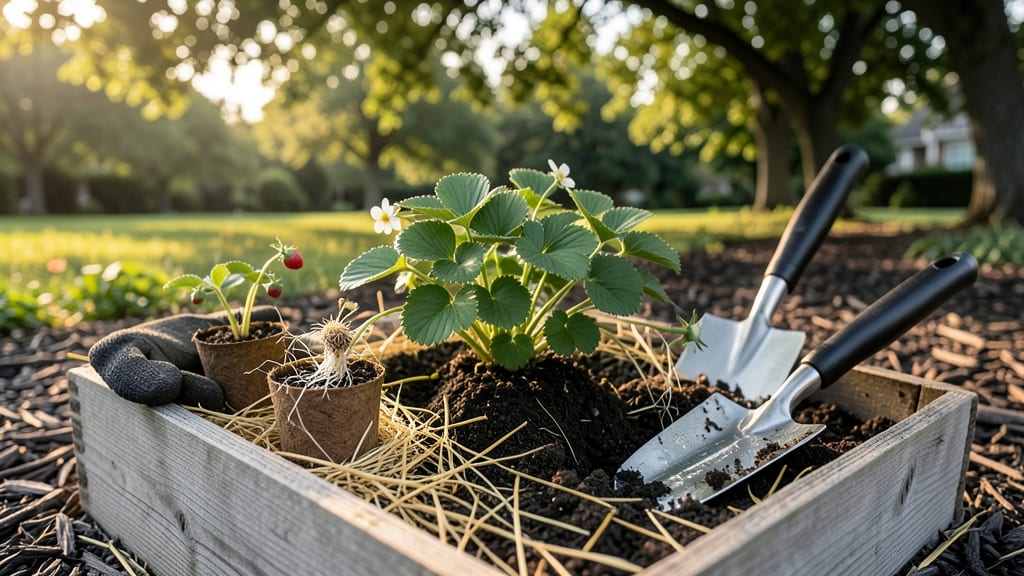
If you've ever planted strawberries in Texas only to watch them bolt before producing a single fruit, you're not alone—and timing is the real culprit.
The best time to plant strawberries in Texas isn't just about the calendar; it's about avoiding the brutal heat that forces them to flower too soon, ruining your harvest before it even starts.
Texas's diverse climate means what works in Zone 8a (like North Texas) won't cut it in Zone 10a (like the Rio Grande Valley). I'll break down the exact windows—spring and fall—for each region, so you can plant with confidence and skip the trial-and-error guesswork that leads to wasted plants.
From preparing your soil to choosing the right varieties for your heat zone, this guide covers the key steps to ensure your strawberries thrive.
Whether you're growing in containers or in-ground beds, you'll learn how to extend the season, protect your plants from pests, and mulch like a pro to keep them cool when Texas heat tries to sabotage your harvest.
Let's cut through the confusion and get your strawberries 🍓 growing strong—no more lost seasons or bolted dreams.
Texas heat zones explained: when to plant strawberries by region (avoid bolt risk)
Texas's diverse heat zones (8a through 10a) create wildly different planting windows for strawberries. In North Texas (8a-9a), cooler winters mean you can plant as early as October for fall harvests, while South Texas (10a) demands November planting to avoid spring bolting.
The key? Plant when soil temps hit 50°F but stay below 85°F—any hotter, and your plants will flower prematurely.
Bolting—the dreaded premature flowering—strikes when strawberries sense heat. In Zone 8a (Panhandle), this happens by April; in Zone 10a (Rio Grande Valley), bolting starts as early as February.
By aligning planting with your zone's last frost dates and soil warmth, you can sidestep this issue entirely.
The ideal window shifts by region: North Texas (8a-9a) plants in October-November for spring harvests, while Central Texas (9a-9b) targets November-December. South Texas (10a) gardeners must plant in November to avoid summer heat stress. Below, see the exact planting deadlines by zone to prevent bolting.
| USDA Zone | Region | Best Planting Window | Soil Temp Requirement | Bolt Risk Month |
|---|---|---|---|---|
| 8a | Northwest Texas (Panhandle) | October 15 - November 15 | 50-60°F | April |
| 8b-9a | North Texas (Dallas, Fort Worth) | October 30 - December 10 | 55-65°F | March-April |
| 9a-9b | Central Texas (Austin, San Antonio) | November 1 - December 15 | 60-70°F | February-March |
| 10a | South Texas (Houston, Rio Grande Valley) | November 15 - December 10 | 65-75°F | January-February |
For Zone 8a gardeners, the October 15-November 15 window is critical—planting earlier risks frost damage, while delaying invites bolting.
In Central Texas (9a-9b), aim for November 1 to ensure roots establish before spring heat arrives. South Texas (10a) has the tightest margin: plant by December 10 or risk bolting by January.
Mulching with straw or pine needles keeps soil temps stable, but avoid thick layers—1-2 inches max—or you’ll smother roots. In urban heat islands (like Dallas or Houston), shade cloth during peak summer can buy extra time for fall-planted strawberries to mature.
Bare-root strawberries need immediate moisture after planting. In dry zones (8a-9a), soak the soil daily for two weeks to encourage root growth. South Texas (10a) gardeners should water every other day to prevent heat stress, even after roots establish.
Ever-bearing varieties like 'Albion' or 'Chandler' thrive in cooler zones (8a-9a), while day-neutral types ('Seascape') handle South Texas heat better. For container growing, use black pots to warm soil faster in spring—critical for Zone 10a where bolting starts earliest.
Pro tip: Shade cloth (30-50%) over new plants in April-May can delay bolting by 2-4 weeks. Pair this with drip irrigation to keep roots cool. In North Texas, this buys time for a second fall harvest if you plant again in July-August.
Remember: Texas strawberries bolt when soil temps exceed 85°F. Use a
Step-by-step planting timeline: from bare-root to first harvest in Texas
Timing your strawberry planting in Texas means balancing heat avoidance and frost protection. The ideal window starts in late fall (for winter harvests) or early spring (for summer fruit), but your USDA zone dictates exact dates.
North Texas (Zone 8a) can plant as early as October, while South Texas (Zone 9b+) waits until November to avoid summer bolting.
Bare-root strawberry plants are most available in late fall and early spring, but Texas gardeners should prioritize fall planting for cooler roots and earlier spring harvests.
If buying in summer, opt for potted plants—bare-root plants in heat will wilt before establishing. Always check for plump crowns and white roots when selecting plants.
📅 Texas Strawberry Planting Timeline
- 🌱 October-November (Fall Planting): Best for North/Central Texas. Plant 6-8 weeks before first frost (usually mid-November). Soil temp should be 50-60°F.
- 🌿 Late January-February (Spring Planting): Ideal for South Texas (Zones 9b-10a). Wait until soil warms to 60°F+ to prevent bolting.
- 🪴 Soil Prep (2-3 Weeks Before Planting): Amend with compost and balanced fertilizer (10-10-10). Raised beds warm faster—perfect for South Texas.
- 💧 Watering Post-Planting: Keep soil moist but not soggy for 2 weeks. Mulch with straw (3-4 inches) to retain moisture and insulate roots.
- ☀️ Spring Care (March-May): Reduce watering as temps rise. Shade cloth (30%) helps prevent sun scald in South Texas.
- 🍓 First Harvest (Spring-Planted: May-July) or (Fall-Planted: February-April). Pick fruit when fully red and firm—don’t let them overripe on the plant.
- ✂️ Post-Harvest (June-August): Remove old leaves to redirect energy. Fertilize lightly (5-10-10) for fall regrowth in cooler zones.
For fall/winter harvests in milder Texas zones (e.g., Austin, San Antonio), plant June-bearing varieties in late summer (August) for a winter crop. Use black plastic mulch to warm soil faster in North Texas during spring planting. This trick adds 2-3 weeks to your growing season.
Container gardening extends your options—plant in large pots (12"+ deep) and move to shade during 100°F+ days. Ever-bearing varieties like Albionel or Seascape thrive in containers and produce fruit year-round in South Texas (Zone 10a). Just ensure pots have drainage holes and use lightweight potting mix.
Pro tip: Mark your planting dates on a calendar with frost dates for your area. Texas A&M’s AgriLife Extension offers free frost maps—use them to adjust your timeline. With the right timing, you can enjoy strawberries from February to July in Texas!