
Plants
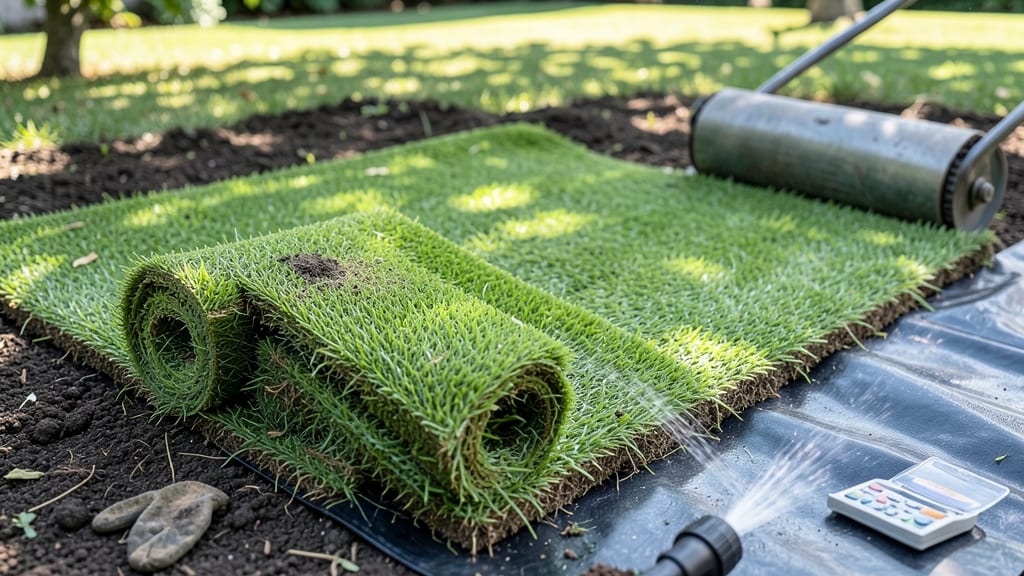
Optimal Texas sod planting windows by heat zone (8A-10A)
Texas’ diverse climate means your sod planting timeline depends heavily on your heat zone and local microclimates. In Heat Zones 8A-10A, the best windows are early spring (March-May) and late fall (September-November), but the ideal timing shifts slightly between North and South Texas.
For example, North Texas (Zone 8A) can plant as early as late February, while South Texas (Zone 10A) should wait until mid-March to avoid summer heat stress.
Fall planting is often the safest bet for most Texans because cooler temperatures and higher humidity create perfect conditions for root establishment before winter dormancy. In contrast, spring planting risks heatwaves that can stress newly laid sod, especially in Zones 9A-10A.
The key is planting 6-8 weeks before the first frost (typically mid-December in North Texas and November in South Texas).
Here’s how your heat zone affects your planting window:
| Heat Zone | Best Planting Window | Soil Temp Requirement | Why This Timing? |
|---|---|---|---|
| 8A (North Texas) | Late Feb - Early May Late Sept - Mid-Nov |
60°F+ | Avoids spring heatwaves and winter frosts; cooler temps = faster root growth. |
| 9A (Central Texas) | Mid-March - Early May Early Sept - Late Oct |
65°F+ | Balances humidity and heat; fall planting avoids summer drought stress. |
| 10A (South Texas) | Late March - April Aug - Sept |
70°F+ | Extreme summer heat makes spring planting risky; fall offers shorter, milder growing season. |
If you’re in Zone 10A, avoid planting in June-August—the 100°F+ soil temperatures can kill sod roots before they establish. Instead, opt for August-September when temps drop slightly, or late spring (March-April) if you’re prepared to water aggressively to offset heat stress.
For Zones 8A-9A, early spring (March) is viable if you fertilize lightly to boost root growth before summer arrives.
Pro tip: Check the Texas A&M AgriLife Extension for your local frost dates—they update annually based on weather patterns. For example, Dallas (Zone 8A) averages its last frost around February 15, while Houston (Zone 9A) rarely sees frost after December 15.
Planting 4-6 weeks before these dates gives sod enough time to root before winter slows growth.
For urban areas (like Austin or San Antonio), microclimates can shift planting windows by 1-2 weeks. If your yard is in a heat island (hotter due to pavement), plant earlier in fall (by mid-September) to avoid late-summer heat.
Conversely, rural areas with cooler nights can extend spring planting into late May without risking heat damage.
Timing isn’t just about the calendar—it’s about soil temperature. Use a soil thermometer to confirm your soil is at least 60°F before planting. In North Texas, this usually aligns with mid-March; in South Texas, wait until late March or April.
Cold soil slows root growth, leading to weak, shallow roots that struggle in Texas’ intense summers.
One common mistake? Planting too early in spring (before March) or too late in fall (after November). Early spring sod may brown if a late frost hits, while late fall sod risks winter dormancy before roots establish.
Stick to the 60°F soil rule and 6-8 weeks before frost for foolproof timing.
Ready to plant? The next step is preparing your soil—but that’s a topic for our step-by-step Texas sod planting checklist.
For now, mark your calendar for September 15-October 15 (fall) or March 15-April 15 (spring) based on your heat zone, and you’ll be set for a lush, resilient lawn that beats the Texas heat.
Critical factors that determine sod success in Texas (beyond just timing)
Beyond simply picking a month, your sod's success hinges on soil temperature, rainfall patterns, and the grass type you choose. In Texas, these factors interact to create either ideal conditions or a recipe for failure.
For example, Bermuda grass thrives when soil temps hit 65°F+, while St. Augustine struggles above 95°F. Ignoring these details can mean your sod sits dormant or burns under Texas heat.
Let’s break down how these three critical factors determine whether your sod will establish strong roots or struggle to survive. The right combination of timing, soil warmth, and moisture can make your lawn resilient within 30 days, while poor choices can leave you re-planting by summer.
⚠️ callout warning
Texas summers bring 100°F+ soil temps and zero rainfall for weeks. Planting sod in these conditions forces roots to compete with evaporation and heat stress. Even if you water religiously, Bermuda and Zoysia can’t establish roots above 85°F—and St. Augustine wilts entirely. Urban areas (like Dallas) trap heat, making conditions worse. Wait for soil temps below 80°F and consistent rainfall (or use irrigation).
🌡️ Pro Tip: Use a soil thermometer—60-75°F is the sweet spot for root growth.
Your grass type dictates the best window. Bermuda grass, the top choice for South Texas (Heat Zones 9A-10A), needs warm soil to activate root growth. Plant it in late spring (May) when temps stay above 70°F—but avoid June’s 100°F+ heatwaves.
Meanwhile, St. Augustine, better for East Texas (8A-9A), thrives in fall (September-October) when humidity rises and temps dip to 75-85°F.
Rainfall patterns are just as crucial. Texas’ unpredictable downpours can either help or hinder your sod. In North Texas, spring rains (March-May) align perfectly with ideal planting times, but South Texas often faces drought by April. If you’re in a rural area, natural rainfall may suffice—but urban lawns (like in Houston) need supplemental watering due to heat islands. Always check the 7-day forecast before planting.
Microclimates add another layer. A shady backyard in Austin might stay 10°F cooler than a sun-baked front yard, delaying root growth. Zoysia grass, for example, tolerates partial shade but still needs 60°F soil to establish.
Test multiple spots with a soil thermometer—if one area hits 85°F while another stays at 70°F, plant in the cooler zone first.
Common mistakes? Planting too early (February) risks frost damage, while too late (July) means roots can’t keep up with Texas’ 12-hour daylight and high UV. Even professional installers fail when they ignore soil compaction—compacted soil suffocates roots.
Loosen the top 4 inches with a core aerator before laying sod, and never walk on it for the first 2 weeks.
To maximize success, pair your planting date with pre-soaking sod (30 minutes before install) and daily watering for the first 14 days. Fall planting (September-November) is ideal for most of Texas—cooler temps and higher humidity give roots a 6-week head start before winter.
Spring is a backup, but act fast: April’s heat can shut down growth within days.