
Planting
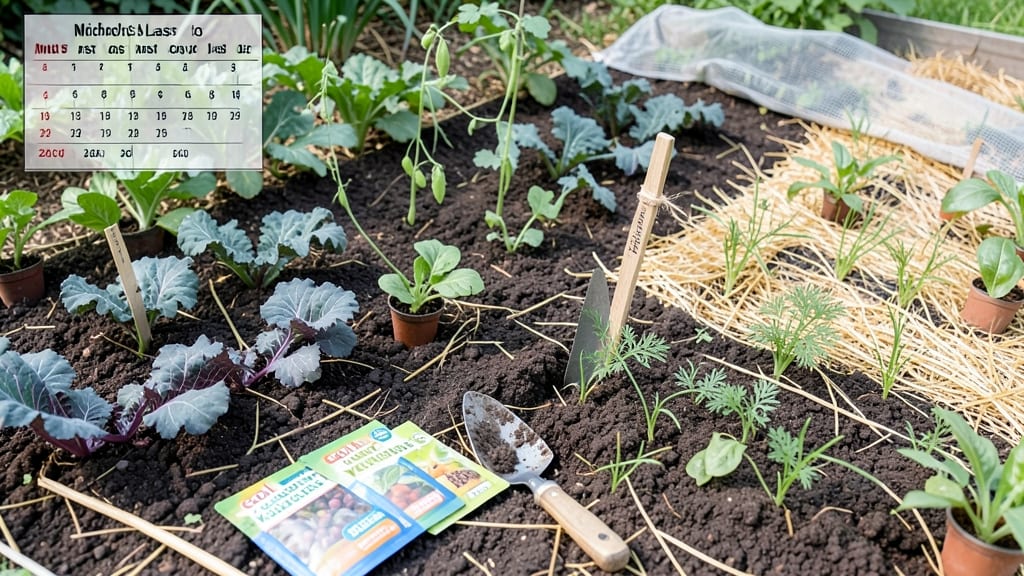
When should you plant a garden in Michigan isn’t about guessing—it’s about beating the unpredictable frost that can turn your hard work into a frozen disappointment. Whether you're in the Upper Peninsula or Metro Detroit, knowing the exact planting windows for your microclimate is the key to a thriving garden.
I’ve spent years watching frost patterns shift across Michigan’s diverse regions, and what I’ve learned will help you avoid common mistakes.
From counting down to your last average frost date to choosing the right varieties for your zone, this guide breaks down everything you need to know for zero-frost success.
You’ll discover how to extend your growing season with simple strategies, like using row covers or succession planting, so you can enjoy fresh harvests well into fall. No more second-guessing—just a clear, step-by-step plan tailored to where you live.
Let’s get started with the planting calendar that matches your specific corner of Michigan, so you can finally grow the garden you’ve always dreamed of.
Michigan’s planting zones by region: frost dates and last-average-frost timelines
Michigan’s gardening success starts with understanding your USDA hardiness zone and last average frost date. With zones ranging from 4b in the Upper Peninsula to 6a near Lake Erie, timing varies dramatically.
The Lower Peninsula typically sees its last spring frost between April 15-30, while the Upper Peninsula can wait until May 15-30.
Metro Detroit gardeners often celebrate May 10 as their unofficial "frost-free day," but rural areas like Traverse City may need to wait until May 25. These variations mean tomatoes planted too early in Detroit might get nipped, while peppers in Marquette need to wait until June.
First, check your microclimate—urban areas warm up faster than rural zones due to heat island effect. Use the NOAA Frost Calculator (https://www.ncdc.noaa.gov) to find your historical frost dates for the past 30 years. This data is more reliable than general zone maps.
For cold-hardy crops like peas and spinach, you can plant 2-4 weeks before your last frost date. Frost-sensitive plants like basil and cucumbers must wait until 2 weeks after your last frost. In Zone 4b (UP), this often means waiting until June 1 for tomatoes.
Remember that first fall frost dates also vary—Detroit averages October 15, while the UP can see frost as early as September 20. Planning your fall harvests around these dates ensures you don’t lose your late-season crops to unexpected chills.
| Region | USDA Zone | Last Avg. Frost | First Avg. Frost | Planting Window |
|---|---|---|---|---|
| Upper Peninsula | 4b-5a | May 15-30 | Sep 20-Oct 5 | Wait until June 1 for warm crops |
| Metro Detroit | 6a | April 25-May 10 | Oct 10-20 | Start warm crops May 15 |
| Traverse City | 5b | May 1-15 | Sep 25-Oct 10 | Plant warm crops May 20 |
| Grand Rapids | 6a | April 20-May 5 | Oct 5-15 | Start tomatoes May 10 |
Pro tip: Urban gardeners in cities like Ann Arbor can plant 1-2 weeks earlier than rural areas due to warmer microclimates. Use local garden clubs or Michigan State University Extension resources to refine your timeline further.
For perennials and shrubs, plant in early spring or fall when soil is workable but not frozen. Bulbs like tulips should go in October, while asparagus crowns need spring planting for best establishment.
Always monitor your local forecast in May—a late frost can still occur, especially in Zone 4b areas. Use frost cloth for high-value crops until you’re confident the danger has passed.
By aligning your planting with these region-specific timelines, you’ll maximize your garden’s potential while minimizing frost-related setbacks. Start with your cold-hardy crops, then gradually introduce warm-season plants as temperatures rise.
Vegetable-specific planting calendar: when to start seeds indoors vs. direct-sow outdoors
Timing your Michigan garden starts with understanding whether to start seeds indoors or direct-sow outdoors. The difference can mean the gap between a thriving harvest and a frost-nipped failure.
For example, frost-sensitive tomatoes and peppers need a head start indoors, while lettuce and beans can handle cooler soil temperatures when planted directly outside.
Your last average frost date is the cornerstone of this calendar. In southern Michigan, this typically falls between May 10-20, while northern regions like the Upper Peninsula may see frost until June 1-15.
Adjust these dates based on your specific microclimate—urban areas often warm up faster than rural spots.
Here’s how to match your planting method with Michigan’s most popular vegetables for maximum success:
| Vegetable | Indoor Start (Weeks Before Last Frost) | Direct Sow (After Last Frost) | Countdown to Last Frost | Notes |
|---|---|---|---|---|
| Tomatoes | 6-8 weeks | N/A | Start in March-April | Cold-sensitive; needs warm soil |
| Peppers | 8-10 weeks | N/A | Start in February-March | Slow to germinate; needs heat |
| Lettuce | N/A | 2-4 weeks before last frost | Plant in April-May | Cold-hardy; bolt-resistant varieties |
| Beans | N/A | 1-2 weeks after last frost | Plant in May-June | Warm soil required; avoid frost |
| Carrots | N/A | 2-3 weeks before last frost | Plant in April-May | Slow growers; early planting key |
| Spinach | N/A | 3-4 weeks before last frost | Plant in March-April | Thrives in cool weather |
For tomatoes and peppers, I recommend starting seeds indoors in February or March—these heat-loving plants need time to mature before Michigan’s unpredictable late frosts. Use grow lights if your indoor space lacks sufficient sunlight, and keep soil temperatures above 70°F for optimal germination.
When direct-sowing, prioritize cold-hardy crops like lettuce and spinach in early spring, even if frost is still possible. These varieties often tolerate light frosts and can be harvested before summer heat sets in.
For beans and squash, wait until soil temperatures reach at least 60°F—a soil thermometer is your best friend here.
Pro tip: Use succession planting for quick-maturing crops like lettuce or radishes. Sow new seeds every 2-3 weeks after your initial planting to ensure a continuous harvest. This strategy works especially well in Michigan’s short growing season, where you want to maximize every square foot of garden space.
Remember, Michigan’s first frost can arrive as early as September 15 in northern regions, so plan accordingly. By following this calendar and adjusting for your specific frost dates, you’ll transform gardening from a gamble into a predictable, rewarding success.