
Plants
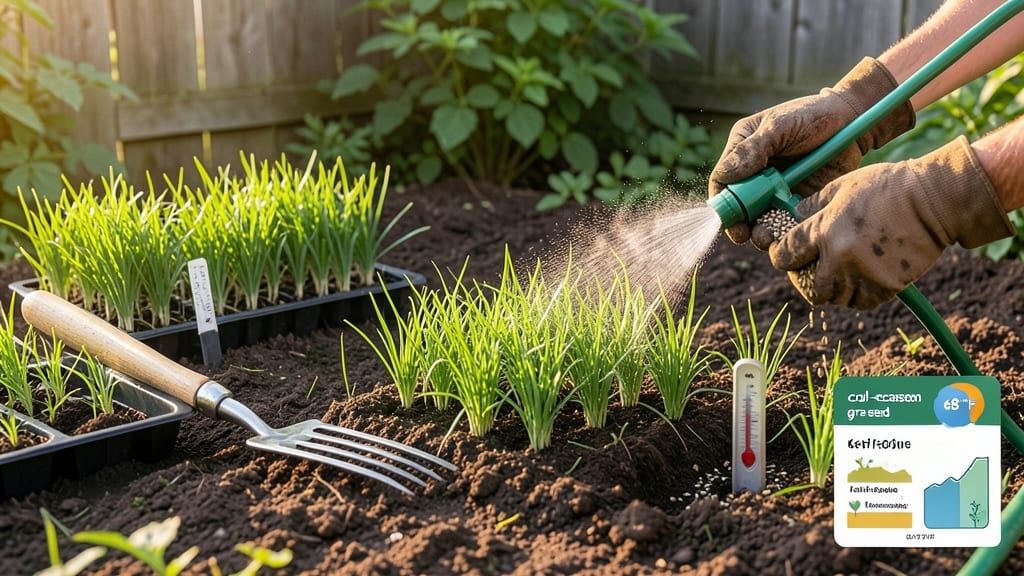
Knowing when is a good time to plant grass seed in the spring can make the difference between a vibrant lawn in weeks and months of frustration—if it grows at all.
The secret to success lies in timing it perfectly for your climate, and it’s not just about guessing "early spring."
For most regions like 6a (default, cold winters), the ideal window opens 4-6 weeks before your last frost, typically in early spring. But timing varies wildly—plant too early, and cold soil will stall germination; too late, and summer heat can stress young sprouts.
I’ll break down the exact frost-free deadlines by US region, show you how to calculate your local window, and share 5 signs you’re planting too soon. With the right timing, you could see 70%+ coverage in just 6-8 weeks—no more bare patches!
Ready to transform your lawn? Let’s dive into the science behind perfect planting and avoid costly mistakes.
Optimal spring planting windows by US region (frost-free deadline guide)
Spring is the perfect time to plant grass seed, but timing varies dramatically across the U.S. Planting too early risks frost damage, while waiting too long means summer heat stress.
The ideal window is when soil temperatures stay above 50°F (10°C) for at least 5 days in a row and the last frost date has passed.
Most grass varieties thrive when planted 4-6 weeks before your last frost date. This gives seedlings time to establish before summer heat sets in.
For example, in USDA Zone 5, that’s typically mid-April to early May, while in Zone 8, you can start as early as late February.
Regional differences matter—cooler climates like the Pacific Northwest or Upper Midwest need later planting (May), while warmer areas like Texas or Florida can plant as early as January-February. Always check your local frost-free date for precision.
Here’s a quick reference for key U.S. regions to help you plan:
| Region | Last Frost Date | Ideal Planting Window | Soil Temp Requirement |
|---|---|---|---|
| Pacific Northwest (WA, OR) | Mid-April to early May | Late April to early June | 50°F+ (10°C+) |
| Upper Midwest (MN, WI) | Mid-May | Late May to early June | 55°F+ (13°C+) |
| Northeast (NY, PA) | Early April to mid-May | April to early May | 50°F+ (10°C+) |
| Southeast (GA, NC) | Mid-March to early April | February to early April | 55°F+ (13°C+) |
| Southwest (AZ, NM) | Mid-January to early February | January to early March | 60°F+ (15°C+) |
| California (Coastal) | Late December to early February | January to early March | 55°F+ (13°C+) |
If you’re unsure about your last frost date, use the National Oceanic and Atmospheric Administration (NOAA) frost calculator or check your USDA Plant Hardiness Zone Map.
For example, Zone 7 (e.g., Tennessee, Virginia) typically has a last frost around March 15, making late March to early April the sweet spot for planting.
Pro tip: Use a soil thermometer to confirm temperatures. Grass seeds like Kentucky bluegrass and tall fescue need 50-60°F (10-15°C) soil temps, while Bermuda grass thrives in 70°F+ (21°C+) soils. Planting too early in cold soils slows germination and invites mold.
For cool-season grasses (e.g., ryegrass, fescue), aim for 4-6 weeks before summer heat—typically late spring. Warm-season grasses (e.g., Zoysia, St. Augustine) prefer late spring to early summer when soil is consistently warm. Adjust based on your grass type!
Remember: Early spring planting (February-March) works in southern climates but risks frost damage in the North. Always monitor your local weather forecast for unexpected cold snaps. A light frost after planting can kill young seedlings.
Once you’ve nailed the timing, focus on soil prep: loosen the top 4 inches, remove weeds, and add compost to improve drainage. Water lightly before and after planting to keep seeds moist but not soggy.
With the right timing and care, you’ll see green sprouts in 7-21 days!
How to calculate your local frost-free date for perfect grass seed timing
Finding your exact frost-free date is the secret to planting grass seed at the perfect time. Skip this step, and you risk wasting seed on late frosts or waiting too long for ideal germination conditions. Let’s break it down into simple actions—no guesswork required.
Start by checking your USDA hardiness zone. Most grass seed packages list recommended zones, but your local frost-free date often varies even within the same zone. For example, Zone 6a might have frost-free dates ranging from mid-April to early May.
Next, use the National Oceanic and Atmospheric Administration (NOAA) website or a local weather app to find your area’s 30-year average frost-free date. This is the safest benchmark for planting. If you’re in doubt, err on the side of waiting—grass seed won’t germinate below 50°F soil temperature.
🌱 Pro Tip: Add a 2-4 week buffer to your frost-free date for cooler microclimates (like shaded areas or higher elevations). This ensures your seedlings aren’t caught off guard by unexpected late frosts.
Step-by-Step Frost-Free Date Calculator
- Step 1: Locate your USDA zone (e.g., 6a, 7b) using the USDA Plant Hardiness Zone Map.
- Step 2: Find your local frost-free date via NOAA or a weather app (e.g., April 15 for most of Zone 6a).
- Step 3: Subtract 4-6 weeks from your frost-free date to get your ideal planting window (e.g., March 10–25).
- Step 4: Verify soil temperature (use a soil thermometer) to confirm it’s 50°F+ at 2 inches deep.
- Step 5: Adjust for microclimates (add 1–2 weeks if your yard is shaded or at a higher elevation).
📋 Downloadable Template: Grab our free frost-free date calculator to automate this for your exact location.
Once you’ve nailed down your frost-free date, test your soil’s readiness with a simple moisture and temperature check. Insert a soil thermometer into the ground—if it reads below 50°F, hold off on planting. Even if the air feels warm, cool soil can stall germination for weeks.
For extra precision, monitor your local 10-day forecast in the weeks leading up to your target planting date. If frost is predicted within 7 days of planting, delay by another week. Grass seedlings are far more resilient than established lawns, so a little patience now saves hours of rework later.
Don’t forget to account for seed variety recommendations. Cool-season grasses like Kentucky bluegrass and tall fescue thrive when planted 4-6 weeks before your last frost, while warm-season grasses like Bermuda or Zoysia need to wait until after the frost-free date. Always double-check the seed package for specifics.