
Plants
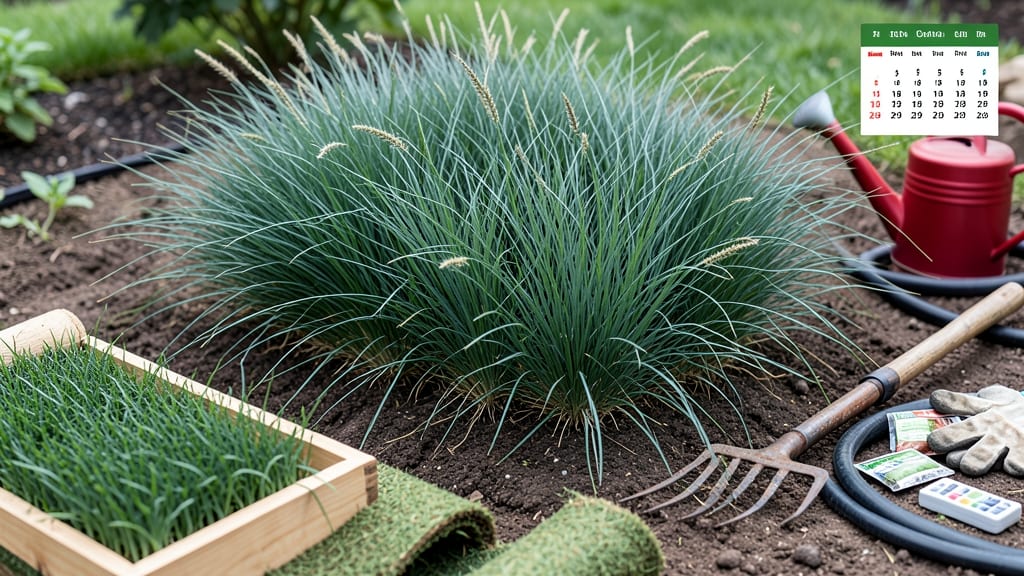
Planting grass in Wisconsin isn’t just about grabbing seed and digging in—it’s about when is the best time to plant grass in Wisconsin to beat the spring frost that can turn your hard work into a frozen disappointment.
The best time to plant your 🌱 depends on where you live in the state, but getting it right means the difference between a lush lawn and a patchy, struggling mess.
Most Wisconsin gardeners swear by early spring planting, typically between mid-April and early May, once the soil warms to at least 50°F. But if you’re in northern Wisconsin (zones 4a-5a), you might need to wait until late April or even early May to avoid late frosts.
Meanwhile, southern Wisconsin (zones 5b-6b) can often start as early as late March.
Here’s the secret: timing isn’t just about the calendar—it’s about soil temperature and local microclimates. Whether you’re planting cool-season grass like Kentucky bluegrass or warm-season options like Bermuda, I’ll walk you through how to read the signs and pick the perfect window for your yard.
Ready to skip the guesswork? Let’s dive into the exact steps to plant your grass when it’s 100% frost-free, so you can enjoy that green carpet all summer long.
Wisconsin’s frost-free planting window: when to plant cool-season grass for maximum success
Wisconsin’s cool-season grasses like Kentucky bluegrass and fescue thrive when planted during the optimal frost-free window. This window varies by region—southern Wisconsin (like Milwaukee) can plant 2-3 weeks earlier than northern areas (like Duluth). Missing this window risks frost damage or summer heat stress before roots establish.
For peak success, aim to plant 4-6 weeks before your area’s average last frost date. In Wisconsin, this typically means late April to early May for most regions. However, soil temperature is just as critical—wait until it reaches at least 50°F to prevent seed dormancy.
Fall planting is another ideal strategy for Wisconsin lawns. Seed 6-8 weeks before the first frost (usually mid-September to early October). This gives grass time to establish roots before winter dormancy, resulting in thicker, greener lawns the following spring.
Microclimates play a huge role in Wisconsin. Urban areas like Madison may experience earlier frost due to urban heat islands, while lakeside properties in Green Bay often have delayed frost. Always check local weather trends for the most accurate timing.
🌱
Choosing the right grass type for your Wisconsin climate is half the battle. Kentucky bluegrass and tall fescue are top performers in most areas due to their cold tolerance and drought resistance. If your lawn faces heavy foot traffic, consider fine fescue—it recovers faster from wear.
Preparing your soil before planting is non-negotiable. Test your soil pH (ideal range: 6.0-7.0) and amend with compost or lime if needed. A well-aerated soil helps roots penetrate deeper, reducing summer drought stress. Spread a starter fertilizer (high in phosphorus) to jumpstart growth.
After planting, consistent watering is key. Keep soil moist but not soggy for the first 2-3 weeks. Water early morning to minimize fungal diseases and evaporation loss. Avoid walking on new grass until it reaches 3-4 inches tall—this protects delicate roots.
💧
One common mistake Wisconsin gardeners make is planting too early when soils are still cold and wet. This delays germination and invites disease. Use a soil thermometer to confirm 50°F+ before seeding. If frost threatens after planting, cover seeds with lightweight row fabric for protection.
For high-risk areas (like northern Wisconsin), consider fall planting as your primary strategy. Grass seeded in September has 6-8 weeks to establish roots before winter, giving it a head start in spring. This method often yields thicker, more uniform lawns with less maintenance.
How to calculate your local frost risk: a step-by-step guide for Wisconsin gardeners
Wisconsin’s last frost dates aren’t set in stone—they shift yearly based on microclimates and weather patterns. To avoid planting too early and risking frost damage, I’ll walk you through my foolproof method for pinpointing your local frost-free window.
Start by checking your USDA Plant Hardiness Zone (Wisconsin ranges from 4a to 6b), as this gives a baseline for your area’s frost timing.
Next, pull up the National Oceanic and Atmospheric Administration (NOAA) frost probability maps for your county. These maps show the average last frost dates with a 90% confidence level, meaning there’s only a 10% chance of frost after the listed date.
For example, Milwaukee (Zone 5b) typically sees its last frost around April 20th, while Minneapolis (Zone 4b) averages May 5th. Adjust these dates by 1-2 weeks if you’re in a warmer microclimate (like near Lake Michigan) or colder microclimate (higher elevation or inland).
📋 Step-by-Step Frost Risk Checklist
- Step 1: Find your USDA Zone (e.g., 4a-6b) and note the average last frost date for your county.
- Step 2: Check NOAA frost maps for your specific location (not just the county average).
- Step 3: Adjust for microclimates (e.g., subtract 1-2 weeks for Lake Michigan areas, add 1-2 weeks for inland or high-elevation spots).
- Step 4: Use a soil thermometer to confirm soil temps are at least 50°F (ideal for grass seed germination).
- Step 5: Plant 4-6 weeks before your adjusted last frost date to give grass 4-6 weeks of growth before summer heat arrives.
Don’t overlook soil temperature—grass seed needs consistent soil temps of 50°F or higher to germinate properly. I recommend using a soil thermometer (available for $10-$15) to test your soil’s readiness.
If temps are below 50°F, wait another 1-2 weeks or consider fall planting (ideal in September for cool-season grasses).
For extra precision, I also track local weather station data (via apps like Weather Underground or AccuWeather) for the past 5 years to spot trends.
For instance, if your area has seen late frosts in late April or early May in 3 out of the last 5 years, plan accordingly. Fall planting is another smart option—aim for 6-8 weeks before your first frost (typically mid-September to early October in Wisconsin) to avoid summer heat stress.
Pro tip: If you’re in a high-risk frost zone (like northern Wisconsin), consider using frost blankets or row covers for the first 2-3 weeks after planting to protect young grass. These $10-$20 covers can add 2-4°F of warmth and make all the difference in a close call.
Just remove them during the day once soil temps stabilize above 50°F to avoid overheating.
Finally, keep an eye on your local weather forecast in the days leading up to planting. If a cold snap is predicted within 7-10 days, delay planting by 1-2 weeks to avoid stressing your new grass.
With these steps, you’ll minimize frost risk and give your lawn the best possible start—no more guessing games! 🌱