
Plants
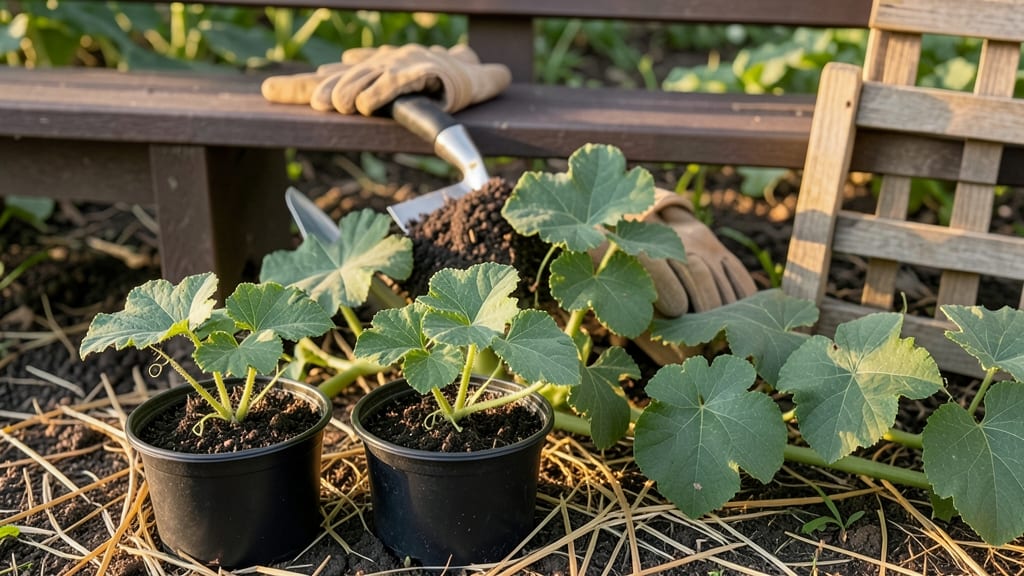
Planting watermelon in Missouri isn't just about the calendar—it's about reading the soil and knowing your microclimate. Too early, and frost will turn your tender seedlings into sad, wilted memories. Too late, and you might miss the sweet harvest window entirely.
The ideal window spans from mid-April to early June, but whether you're in St. Louis or the Ozarks, local conditions can shift those dates by weeks.
Here's the secret: watermelons (🍉) need soil that's warmed to at least 70°F—not the air temperature, but the ground. In Missouri's 5b-6b zones, that means waiting until after the last frost date (usually around April 15) and verifying with a soil thermometer.
I've learned the hard way that rushing can mean lost crops, while waiting too long cuts your harvest short.
But timing isn't everything—it's also about strategy. Should you start seeds indoors to get a head start? Or go straight for direct sowing when the ground is ready?
The answer depends on your zone, your patience, and whether you're willing to use row covers or black plastic mulch to cheat the climate. Let me show you exactly how to match your method to Missouri's unpredictable spring weather.
What you'll discover is that the perfect planting date isn't just one number—it's a balance of science, local knowledge, and a little bit of luck.
Whether you're a first-time gardener or a seasoned grower, these Missouri-specific tips will help you grow watermelons that are sweeter, bigger, and more reliable than ever before.
Missouri watermelon planting dates by USDA hardiness Zone (with frost risk charts)
Missouri’s USDA zones 5b-7a create a tricky balance for watermelon growers. In Zone 5b, late frosts can linger until May 15, while Zone 7a may see 100+ frost-free days by early April.
The key? Planting when soil hits 75°F+ and all frost risk has passed. Here’s how to nail your timing by zone, including frost risk charts and soil temperature thresholds.
Watermelons are warm-season crops that despise cold soil. In Missouri, direct sowing should only begin after your area’s last average frost date—typically April 15-30 depending on location. For cooler zones like 5b, starting seeds indoors 3-4 weeks before the last frost gives you a head start.
Meanwhile, Zone 7a gardeners can often plant directly outdoors by early April if using black plastic mulch to warm the soil faster.
Soil temperature is more critical than air temperature. Use a soil thermometer to confirm 75°F+ before planting. In Missouri, this usually happens 2-4 weeks after the last frost. For example, St. Louis (Zone 6a) typically hits this mark by mid-May, while Southeast Missouri (Zone 7a) may reach it by early April. Pro tip: Black plastic mulch can raise soil temps by 5-10°F, letting you plant 1-2 weeks earlier.
Missouri’s microclimates can shift planting dates by weeks. For example, St. Louis (Zone 6a) often sees urban heat islands that allow 1-week earlier planting than rural areas.
Meanwhile, the Ozark Highlands (Zone 5b) may need row covers to extend the season. Always check local frost data from the Missouri Climate Center for your specific county.
If you’re starting seeds indoors, begin 3-4 weeks before your zone’s last frost date. Use biodegradable pots to avoid transplant shock. Seedlings need 8-10 hours of light daily—supplement with grow lights if natural light is limited.
Harden off seedlings for 7-10 days before transplanting to prevent shock when moving outdoors.
Missouri’s summer heat can be brutal for watermelons. Prepare by mulching heavily to retain moisture and provide afternoon shade during heatwaves. Drip irrigation is ideal—it delivers
How to adjust planting dates for Missouri’s microclimates (river valleys vs. Ozarks)
Missouri’s geography creates dramatic differences in planting success. The Mississippi River valley and St. Louis urban heat islands can be 10°F warmer than the Ozark highlands, meaning your neighbor’s perfect timing might fail in your garden.
For example, in St. Louis (Zone 6b), you can often plant watermelon seeds directly in the soil by mid-April, while in the Ozarks (Zone 5b), you’ll need to wait until late May or use season-extending tricks.
The key is understanding how your local terrain affects heat retention. River valleys hold warmth longer, while uplands cool quickly at night. I’ve found that black plastic mulch can add 5-7°F to soil temperature in valleys, while row covers help Ozark gardeners start earlier.
Even a south-facing slope can push your planting window back by 2-3 weeks compared to a north-facing yard.
Here’s how to adapt your strategy based on Missouri’s three main microclimates:
| Microclimate | Key Adjustment | Best Practice |
|---|---|---|
| River Valleys (e.g., St. Louis, Kansas City) | Warmer soil 1-2 weeks earlier | Direct sow by April 15 with black plastic mulch |
| Urban Heat Islands (St. Louis, Columbia) | Microclimate can be 10°F+ warmer | Start seeds indoors by March 15 for transplant |
| Ozark Highlands (Springfield, Branson) | Cooler nights delay growth | Wait until May 15 or use row covers |
One common mistake I see in Missouri gardens is planting too early in Zone 5b areas like the northern Ozarks. Seedlings can handle 50°F air temps, but soil must be 70°F+. I’ve lost entire crops by planting in early April when the ground was still chilly.
Always check soil temperature with a thermometer—it’s the only reliable way to know when it’s truly safe.
For river valleys, I recommend black plastic mulch to warm the soil faster. Lay it down 2 weeks before planting to give it time to heat up. In the Ozarks, row covers can extend your season by 3-4 weeks, but remove them once flowers appear to prevent heat stress.
I’ve also had success with straw mulch in cooler areas—it insulates the roots while keeping moisture in.
Don’t forget about companion planting to help regulate temperature. Planting watermelons near bush beans or corn can create a microclimate that retains heat better.
And if you’re in a short-season area, choose early-maturing varieties like ‘Sugar Baby’ (55 days) to maximize your harvest window before Missouri’s first frost in mid-October.