
Flowers
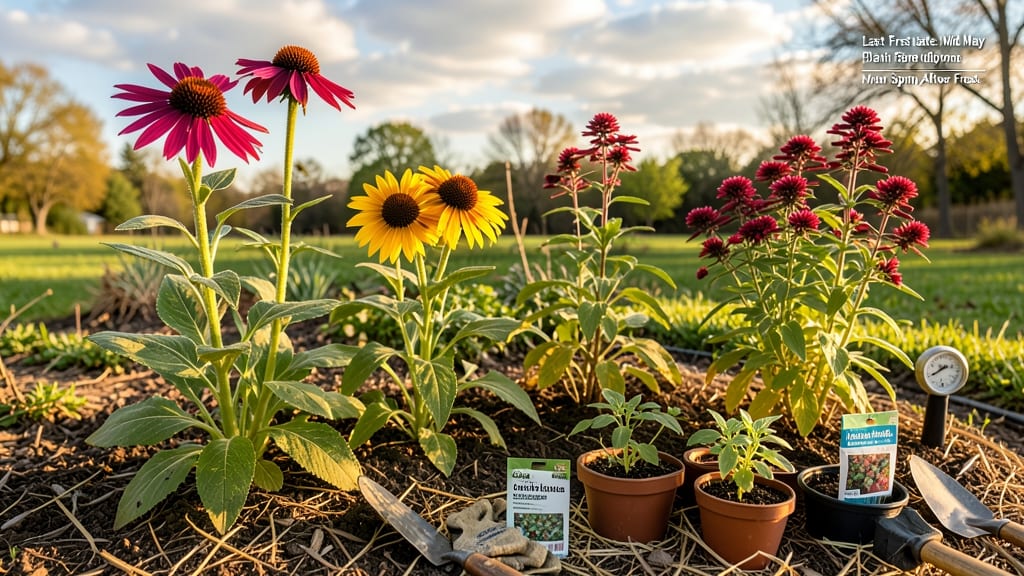
Timing your flower planting in Michigan isn’t just about luck—it’s about knowing exactly when to get those seeds or bulbs in the ground to beat frost and ensure vibrant blooms all season.
With USDA zones 5b-6b and unpredictable spring weather, getting the dates wrong can mean wilted petals instead of a showstopping garden.
Most Michigan gardeners wait until mid-April (after the last frost) to plant annuals like petunias or marigolds, but perennials and bulbs have their own sweet spots—like September for fall-blooming varieties.
I’ll break down the ideal windows for every type of flower, so you can avoid the common mistakes that leave gardens looking half-hearted.
Whether you’re starting seeds indoors or diving straight into the soil, this guide cuts through the guesswork. You’ll learn how to read Michigan’s soil temperature cues, adjust for microclimates, and even stretch your blooming season with smart planting tricks. Let’s get those 🌸 thriving!
Ready to transform your yard into a year-round floral masterpiece? The key is knowing when to plant—and I’ve got the exact dates to make it happen, no matter where you are in the state.
Michigan flower planting dates by hardiness Zone (USDA 4-6)
Michigan spans USDA hardiness zones 4-6, meaning your planting schedule depends heavily on whether you're in northern Zone 4 or southern Zone 6. The difference between these zones can mean 2-3 weeks in your planting window—so knowing your exact zone is key.
For example, Zone 4a (northern Michigan) typically has its last spring frost around May 15, while Zone 6a (southern Michigan) sees its last frost by April 20. This timing shift affects everything from seed-starting indoors to direct-sowing annuals.
Beyond frost dates, soil temperature is your second critical factor. Most flowers won’t thrive until the soil warms to at least 50°F.
In Zone 4, this often aligns with late May, while Zone 6 may hit this threshold by early April. Cool-season flowers like pansies or snapdragons can handle cooler soils, but tender annuals like petunias or marigolds need that warmth to germinate properly.
Always check a local frost calendar (like Michigan State University’s) for your specific county, as microclimates near lakes or urban areas can shift dates by 1-2 weeks.
Here’s the golden rule for Michigan gardeners: Wait until after your last frost date to plant tender annuals, but don’t wait too long—perennials and cool-season crops planted too late may not establish roots before summer heat sets in.
For fall planting, aim to get seeds or transplants in 6-8 weeks before your first frost (typically late September for Zone 4, early October for Zone 6).
🌱
| Zone | Last Frost (Spring) | First Frost (Fall) | Soil Temp Threshold | Spring Planting Window | Fall Planting Window | ||||||||||||||||||
|---|---|---|---|---|---|---|---|---|---|---|---|---|---|---|---|---|---|---|---|---|---|---|---|
| 4a (e.g., Traverse City) | May 15 | October 1 | 50°F (late May) | May 20–June 15 | August 15–September 15 | ||||||||||||||||||
| 4b (e.g., Grand Rapids) | May 1 | October 10 | 50°F (early May) | May 1–June 10 | August 1–September 10 | ||||||||||||||||||
| 5a (e.g., Lansing) | April 25 | October 15 | 50°F (early April) | April 25–May 30 | July 30–September 5 | ||||||||||||||||||
| 5b (e.g., Detroit) | April 15 | October 20 | 50°F (late March) | April 15–May 25 | July 15–September 10 | ||||||||||||||||||
| 6a (e.g., Toledo) | April 10 | October 25 | 50°F (mid
Best flowers to plant in Michigan by season (with exact months)Michigan’s four distinct seasons create unique planting opportunities for flowers. Whether you’re dreaming of spring bulbs, summer annuals, or fall-blooming perennials, timing is everything. Let’s break down the best flowers to plant each season, along with their ideal planting months to maximize blooms in your Michigan garden. For spring bloomers, focus on hardy bulbs like tulips and daffodils, which can be planted in October or November for early spring color. These varieties love Michigan’s cool soils and can withstand late frosts. Meanwhile, annuals like pansies and snapdragons thrive when planted in April or early May, once the soil warms.
Summer is the peak season for annual flowers like marigolds and zinnias, which love Michigan’s warm weather. Plant these in late May or early June after the last frost date to ensure they thrive. For perennials, early spring or fall planting gives roots time to establish before extreme temperatures arrive. Don’t overlook fall-blooming flowers like chrysanthemums and asters. These varieties can be planted in August or early September for stunning autumn color. They’re also frost-tolerant, making them perfect for Michigan’s crisp fall air. Plus, planting them early ensures they’ll bloom before winter sets in. For winter interest, consider evergreen perennials like lavender or ornamental grasses. These can be planted in early fall (September) to establish roots before the ground freezes. While they won’t bloom in winter, their textural beauty and hardiness make them a year-round staple in Michigan gardens. Pro tip: Use succession planting to keep your garden blooming all season. For example, plant fast-growing annuals like marigolds every 2-3 weeks in summer to replace spent blooms. This trick works wonders for extending your flower season without gaps. |