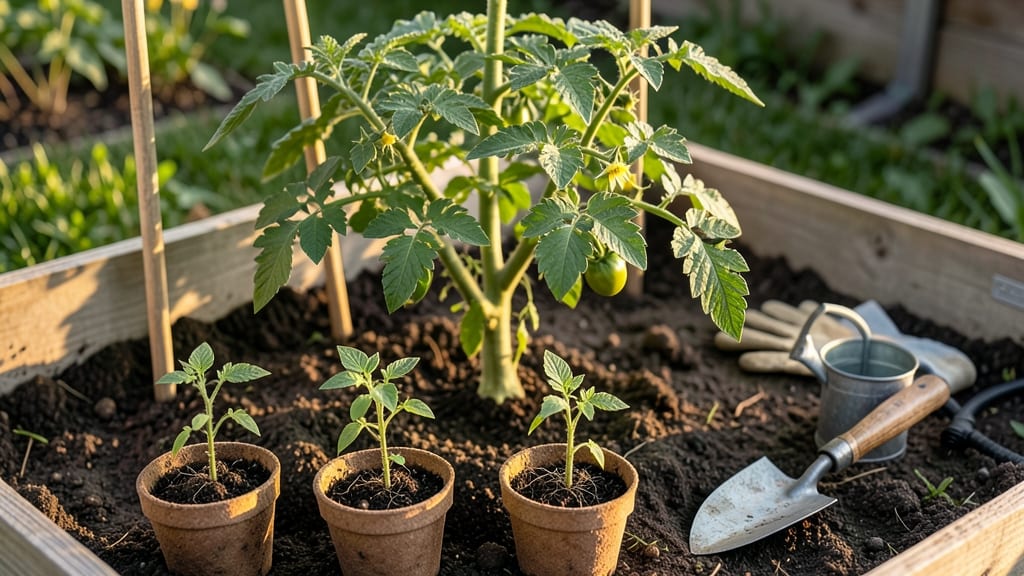
Planting tomatoes in Texas isn't just about picking a date—it's about outsmarting the state's brutal heat and unpredictable freezes to grow juicy, vine-ripened 🍅 all season long.
Get the timing wrong, and you'll watch your plants struggle before they even produce fruit. But with the right strategy, you can beat the odds—whether you're in North Texas's cooler hills or South Texas's scorching plains.
I'll walk you through the exact planting windows for both spring and fall, including soil temperature tricks and variety choices that thrive in Texas's extremes. Ready to turn your garden into a tomato powerhouse?
From frost dates to heat tolerance hacks, you'll learn how to maximize your harvest—no matter where you live in the Lone Star State.
🍅When to Plant Tomato
Jan🌱
Feb🍅
Mar🍅
Apr🌱
May🌸
Jun🌱
Jul🍅
Aug🍅
Sep🌱
Oct🍂
Nov🍂
Dec❄️
Ideal Time
Also Good
Texas tomato planting calendar by hardiness zone: exact start dates to avoid freezes & heat stress
Texas gardeners face a unique challenge: scorching summers and unpredictable freezes that can turn your tomato dreams into a wilting nightmare. Unlike most states, Texas spans USDA zones 7-11, meaning your North Texas neighbor might plant 6 weeks earlier than your South Texas friend.
The key? Timing your starts to avoid early frost and heat stress—both of which can kill tomato plants faster than a 100°F afternoon.
Most Texas gardeners focus only on spring planting, but fall tomatoes can be just as productive—if you plant them at the right time.
In Zone 8, for example, your fall window might be July 15-August 15, while in Zone 10, you could start as late as September 1. The secret? Count backward from your first frost and forward from your last heatwave.
Here’s the non-negotiable rule: Tomatoes need at least 60 days of warm soil (above 60°F) and 50°F nighttime temps to thrive. Plant too early, and you’ll face stunted growth or blossom drop.
Plant too late, and your plants will bolt to seed before fruiting. Below is your zone-by-zone survival guide to tomato planting perfection.
Zone
Last Frost Date
First Frost Date
Spring Planting Window
Fall Planting Window
Heat Threshold (°F)
7a (North TX)
February 15
November 15
March 15 - April 15
July 1 - July 31
85°F (shade needed)
8a (Central TX)
February 1
December 1
February 28 - April 1
July 15 - August 15
90°F (mulch required)
8b (East TX)
January 20
November 20
March 1 - March 31
July 30 - August 30
92°F (drip irrigation)
9a (South TX)
January 10
December 15
February 15 - March 15
August 1 - September 1
95°F (shade cloth)
10a (Deep South TX)
January 1
December 31
February 1 - March 1
August 15 - September 15
100°F (heat-tolerant varieties)
11 (Far South TX)
None (year-round)
None (year-round)
January - April (early)
August - October (late)
105°F (drip + shade)
<
Best tomato varieties for Texas heat: which types thrive in north vs. south zones (and which to avoid)
Texas’s brutal summer heat and unpredictable freezes demand heat-tolerant tomato varieties that won’t bolt or collapse under stress. In North Texas (zones 7-8), cold snaps can still hit, while South Texas (zones 9-11) faces relentless 100°F+ days.
The wrong variety means wasted effort—so let’s cut to the best-performing picks for your region.
For North Texas, prioritize varieties that handle cool springs and late frosts while still enduring summer heat. In South Texas, focus on drought-resistant and heat-loving types that won’t drop blossoms when temps spike. Avoid delicate heirlooms unless you’re willing to baby them with shade and extra water.
Here’s how the top varieties stack up—ranked by heat tolerance, disease resistance, and maturity speed to beat Texas’s short growing windows.
🌡️ Top Tomato Varieties for Texas Heat
VarietyHeat ToleranceDisease ResistanceDays to HarvestBest For
Celebrity65-70North/South TX
Solar Fire70-75South TX
Arkansas Traveler75-80North TX
Mountain Merit70-75North TX (cool springs)
Stupice80-85Avoid in South TX
If you’re in North Texas, Arkansas Traveler and Mountain Merit are my go-tos—they handle early freezes better than most while still producing in summer heat. For South Texas, Solar Fire and Celebrity are non-negotiable; they won’t sulk in 105°F like fussy heirlooms.
Avoid Stupice in South Texas—it’s a cold-hardy variety that bolts faster than a firecracker in July. Instead, opt for heat-set varieties like Heatmaster or Solar Set, which thrive under high-temperature conditions without dropping blossoms. Pro tip: Pair these with mycorrhizal fungi to boost root resilience in Texas’s alkaline soils.
For container growing in urban areas, Tiny Tim or Patio Princess deliver reliable yields in small spaces, while indeterminate varieties like Better Boy need caging or stakes to handle Texas’s heavy fruit loads without snapping.