
Plants
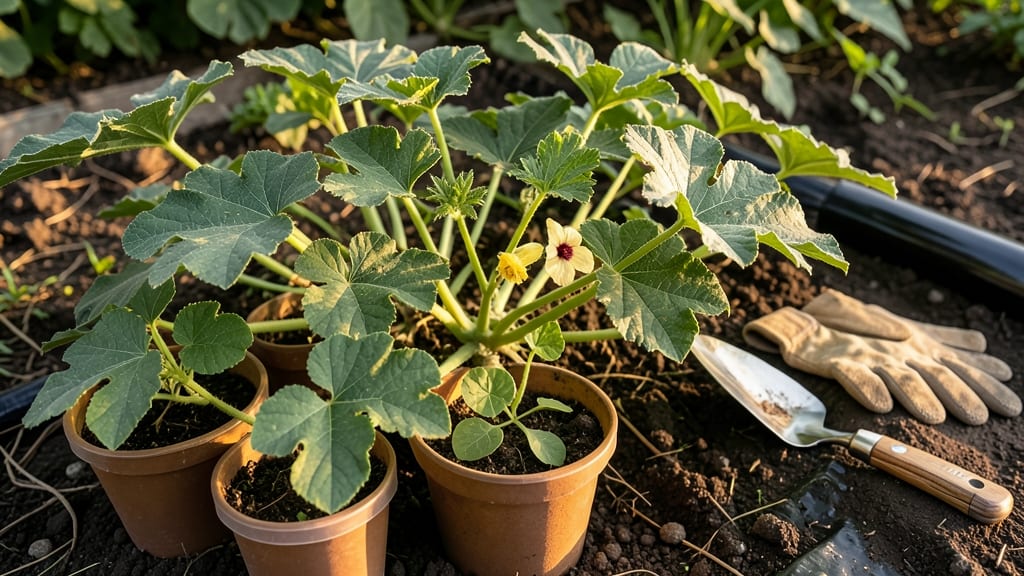
Planting watermelon in Florida isn’t just about grabbing seeds and sticking them in the dirt—timing is the game-changer between a bountiful harvest and a sad, wilted vine. With the right schedule, you can beat the heat, avoid pests, and ensure your 🍉 thrives in Heat Zones 8A-10A.
Skip the guesswork and learn the exact windows for spring and fall planting that Florida gardeners swear by.
Florida’s frost-free climate means you can grow watermelons year-round, but that doesn’t mean every month is ideal. Too early, and your seeds will languish in cool soil; too late, and your plants may struggle under summer’s brutal sun.
The sweet spot? Mid-February to March for spring crops and July to August for fall harvests, when soil temps hit that magic 70°F+ threshold.
Whether you’re a seasoned gardener or a first-timer, knowing when to plant is half the battle. I’ll break down the best months for your region—whether you’re in the Panhandle or Miami—and share pro tips to speed up germination so you’re harvesting faster than ever.
Ready to grow watermelons like a local?
Let’s dive into the fastest, most reliable planting schedule tailored just for Florida’s climate. Spoiler: It’s all about heat, humidity, and a little strategy. Your 🍉 patch awaits!
Optimal Florida watermelon planting dates by heat zone (8A-10A)
Florida’s Heat Zones 8A-10A offer unique challenges and opportunities for watermelon growers. Unlike northern states, Florida’s frost-free winters mean you can plant watermelons year-round—but timing still matters to avoid heat stress or pest outbreaks.
The key is planting when soil temperatures consistently hit 70°F or warmer, ensuring 70-90% germination success and robust vine growth.
In Zone 8A (northern Florida, including Jacksonville and Gainesville), spring planting starts earlier due to cooler soils, while Zone 10A (Miami and Key West) allows for fall planting well into September. Each zone’s schedule balances humidity levels, daylight hours, and pest pressure to maximize yields.
Below, I’ve broken down the best months for both spring and fall harvests, along with critical trade-offs for each season.
📅 Spring Planting (March–May) is ideal for Zone 8A-9A growers, offering cooler soils and lower pest activity. However, planting too early (before mid-February) risks slow germination or even frost damage in the Panhandle. In contrast, Zone 10A can start as early as January but must finish by April to avoid summer’s brutal heat.
🍉 Fall Planting (July–August) is a game-changer for Zone 9B-10A, where summer’s heat has already warmed the soil. This window avoids spring’s pest surges (like cucumber beetles) and aligns with Florida’s longer daylight hours in late summer. However, planting after mid-August in Zone 8A risks vines maturing too late for a harvest before frost.
For Zone 8A, I recommend starting seeds indoors in early February and transplanting after the last frost risk (typically mid-March). This gives vines a head start before summer’s heat peaks.
In Zone 10A, you can direct-sow as early as January, but use row covers to protect seedlings from unexpected cool snaps.
The trade-off between spring and fall planting depends on your goals. Spring harvests (May–July) offer sweeter melons due to cooler nights, but require vigilance against cucumber beetles and powdery mildew. Fall harvests (October–November) avoid these pests but may struggle with hurricane season in Zone 10A or late-season frost risks in Zone 8A
How to time watermelon planting for Florida’s microclimates (soil temp > 70°F)
Florida’s microclimates create unique challenges for watermelon growers. Urban areas like Miami and Tallahassee can differ by 10°F or more in soil temperature, directly impacting germination success. Rural fields often warm faster than city gardens, while coastal regions may experience delayed warming due to ocean breezes.
Understanding these variations ensures your seeds sprout consistently and thrive.
Before planting, check soil temperature at 6 inches deep using a soil thermometer. Watermelon seeds need consistent temperatures above 70°F to germinate reliably. In North Florida (Zones 8A-8B), aim for mid-March to early April, while South Florida (Zones 9B-10A) can start as early as late February.
Urban heat islands may allow 2-3 weeks earlier planting than rural areas.
⚠️ callout warning ⚠️
Even in frost-free Florida, cool soil temperatures (<65°F) cause slow germination (14-21 days) and seed rot. Urban gardens with concrete heat absorption may appear warm at surface level but stay too cool 6 inches down. Always test soil depth—surface temps can be misleading by 15°F or more.
🔹 Pro Tip: Use black plastic mulch 1-2 weeks before planting to raise soil temps 5-10°F faster.
For direct sowing, scatter seeds ½ inch deep in hills spaced 3-4 feet apart. In North Florida, wait until late April to avoid spring heat stress, while South Florida can start by mid-February.
Transplants, however, offer a 2-week head start—plant them when soil hits 75°F+, typically early March in North Florida and February in South Florida.
Urban gardeners should account for heat island effects. Pavement and buildings can raise air temps by 5-10°F, but soil may still lag. Use row covers for 3-4 weeks after transplanting to protect young vines from unpredictable evening chills (even in summer).
Remove covers once plants hit 12 inches tall to prevent heat buildup.
Adjust your schedule for fall plantings too. Aim for July 15-August 15 in North Florida and June 15-July 15 in South Florida. Fall crops benefit from cooler temps (85-90°F) and lower humidity, reducing powdery mildew risks. Monitor daylength—watermelons need 12+ hours of daylight for optimal growth.
Finally, compact varieties like 'Sugar Baby' or 'Tiny Tim' tolerate Florida’s high humidity better than sprawling types. They also germinate faster (5-7 days) when soil temps hit 80°F+. Pair them with drip irrigation to maintain consistent moisture without overwatering—critical in Florida’s intense summer sun.