
Plants
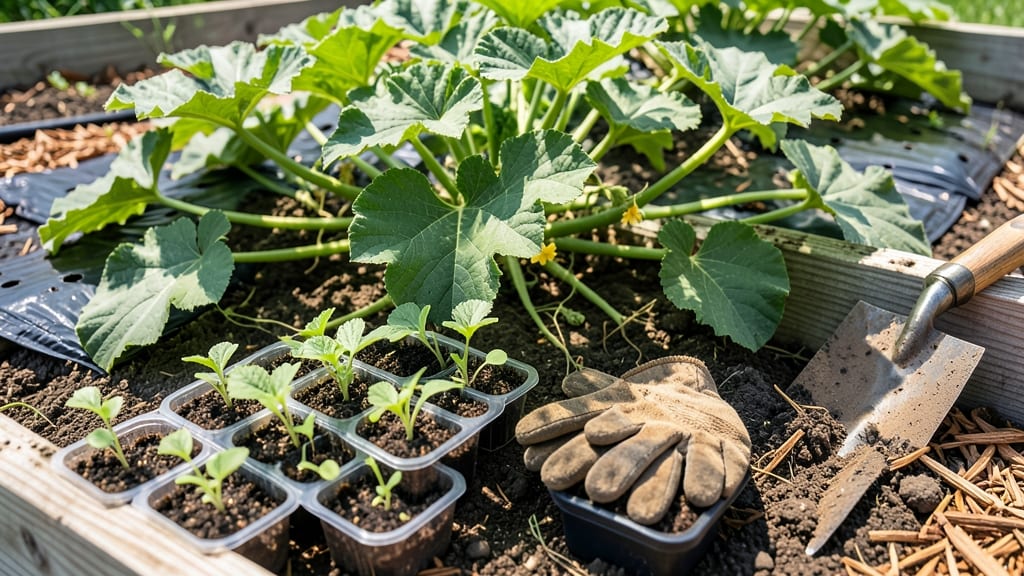
If you’ve ever dreamed of slicing into a homegrown watermelon 🍉 that’s sweeter and juicier than anything at the store, North Carolina’s climate is your secret weapon—but only if you plant at the right time.
The difference between a thriving vine and a frost-killed crop often comes down to just a few weeks, and missing that window means waiting another year for your perfect slice.
Most gardeners in zones 7a-8b know the general rule: wait until after the last frost, but that’s not enough. Your soil temperature needs to hit at least 70°F for seeds to germinate properly, and coastal areas like Wilmington can plant 2-3 weeks earlier than the Piedmont’s higher elevations.
Without this precision, your vines might struggle or your fruit could ripen too late in the season.
In this guide, I’ll break down the exact planting schedule for your region, including soil-warming tricks to jumpstart growth and how to adjust for late varieties.
Whether you’re a first-time gardener or a seasoned pro, these tips will help you avoid the top 3 mistakes that kill watermelon harvests in NC—so you can enjoy that first bite by July or August.
Ready to turn your garden into a watermelon patch? Let’s dive into the heat zone map, frost-free deadlines, and the one soil trick that guarantees faster germination—no guesswork required.
North Carolina watermelon planting dates by heat Zone map
North Carolina’s diverse climate—from the cooler Piedmont region to the warmer Coastal Plain—means watermelon planting dates vary by USDA zones 7b-8a. The key to success? Planting after the last frost date and when soil temperatures hit 75°F+.
For most of NC, this falls between mid-April and early June, but timing shifts 1-2 weeks later in higher elevations like the Mountains.
In Zone 7b (western NC), wait until May 1-15 to avoid late frosts, while Zone 8a (Coastal Plain) can start as early as April 15. The Piedmont (Zone 7a/7b) sits in the middle, with ideal dates around April 20-May 1.
Always check your local NC State Extension frost calendar for precision.
Here’s the critical rule: Never plant watermelon seeds in cold soil. They won’t germinate below 60°F, and seedlings will rot. Use a soil thermometer to confirm 75°F+ at 2-inch depth before planting.
In cooler zones, opt for transplants (start seeds indoors 3-4 weeks before the last frost) to jumpstart growth.
Pro tip: If you’re in Zone 7b or cooler, choose shorter-season varieties (like ‘Sugar Baby’) to ensure harvest before the first frost in mid-October. Coastal gardeners can push the season later with heat-tolerant varieties like ‘Crimson Sweet’ or ‘Charleston Gray.’
🌱
North Carolina Watermelon Planting Guide by Heat Zone
| Heat Zone | Last Frost Date | Ideal Planting Window | Soil Temp Requirement | Harvest Window |
|---|---|---|---|---|
| Zone 7b (Mountains/Piedmont) | Mid-April | May 1-15 | 75°F+ | July-August |
| Zone 7a/7b (Piedmont) | Late April | April 20-May 1 | 75°F+ | July-September |
| Zone 8a (Coastal Plain) | Early April | April 15-May 1 | 70°F+ | June-September |
| All Zones (Late Planting) | N/A | June 1-15 (transplants only) | 75°F+ | September (risky) |
*Harvest before first frost (mid-October in most zones).
For Coastal NC gardeners, the window is wider—you can even plant late varieties in early June for a fall harvest. However, avoid planting after July 1 unless you’re using black plastic mulch to retain heat.
In higher elevations, focus on early-maturing varieties (55-65 days to harvest) to beat the clock.
One common mistake? Planting too early and hoping for the best. Cold soil leads to poor germination, and slow starts mean smaller fruits. If you’re eager to begin, start seeds indoors under grow lights 4-6 weeks before your target planting date.
Transplant seedlings when they’re 2-3 weeks old and soil is warm.
🌡️
If you’re unsure about your exact zone, use the NC State Climate Office map or enter your ZIP code into the USDA Plant Hardiness Zone Finder. For example, Asheville (Zone 7b) has a later frost date than Raleigh (Zone 7a), so adjust accordingly.
Pro growers in Zone 8a often plant two batches: one in April for early fruit and another in June for fall harvests.
Finally, remember that watermelons need heat to thrive. If your summer brings unusually cool temperatures, extend the season with row covers or choose heat-tolerant varieties
How to time watermelon planting for zero-frost success
Timing your watermelon planting in North Carolina is all about beating frost while giving vines enough warm days to mature. The key is soil warmth, not just air temperature—seeds won’t sprout until the soil hits 70°F or above.
In the Piedmont region, this usually means waiting until mid-April to early May, while coastal areas like Wilmington can start 2-3 weeks earlier. Without this precision, your seedlings may rot in cold soil, or your fruit could ripen too late in the season.
Even if you’ve passed the last frost date, cold soil will stall germination. I’ve seen gardeners rush planting in March only to watch their seeds mold underground. The solution? Use soil warming tricks like black plastic mulch or cloches to jumpstart growth.
For late varieties, you can extend the season with row covers or choose faster-maturing hybrids like ‘Sugar Baby.’ Let’s break down the exact steps to plant for zero-frost success.
🌱 5 Steps to Plant Watermelons for Frost-Free Growth
- Test soil temperature with a thermometer—wait until it hits 70°F+ for 5+ days.
- Use black plastic mulch or straw to warm soil faster (raises temps by 5-10°F).
- Start transplants indoors 3-4 weeks before outdoor planting (use biodegradable pots to avoid root shock).
- Plant seeds 1 inch deep, spacing hills 5-6 feet apart for sprawling vines.
- Cover young plants with row fabric if frost threatens after planting (remove when soil warms).
If you’re in Zone 7b (like Raleigh), aim to plant by May 1 for a July harvest. For Zone 8a (Coastal NC), you can start as early as mid-April. The trick is to give vines 90-120 frost-free days to mature—late plantings risk fruit not ripening before fall frosts.
I once planted ‘Crimson Sweet’ in early June and still got a harvest, but the melons were smaller and less sweet.
For late varieties, extend the season by planting in early June and using black plastic mulch to trap heat. Choose disease-resistant varieties like ‘Charleston Gray’ to avoid fungal issues from prolonged humidity.
Always plant after soil warms, even if air temps feel spring-like—cold soil is the #1 killer of watermelon starts.
Pro tip: Water deeply after planting to settle soil and encourage root growth. Avoid wetting foliage to prevent powdery mildew, a common NC issue. Mulch with straw or grass clippings to retain moisture and suppress weeds.
With these steps, you’ll avoid the top 3 mistakes: planting in cold soil, skipping soil warming, or choosing varieties too late for your zone.
Now that your soil is prepped and warmed, your watermelons are on track for a frost-free, sun-soaked growing season. Next, we’ll cover the best varieties for NC’s heat and humidity—including which ones handle Piedmont’s dry spells and Coastal NC’s humidity like pros. 🍉