
Flowers
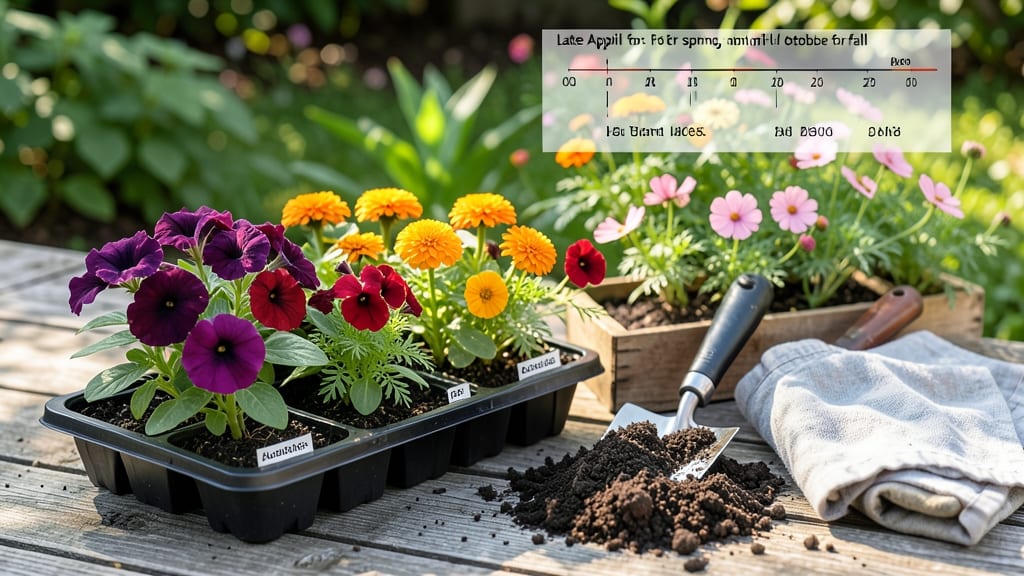
When is it safe to plant flowers in Missouri? That moment can mean the difference between a vibrant garden and a frost-killed disappointment. The last frost date isn’t just a number—it’s the moment your 🌸 blooms go from "maybe" to "thriving."
Missouri’s 5b-6b zones make timing tricky, with frost lingering in some areas until mid-April while others warm up by early March. Get it wrong, and you’ll either rush seedlings or let summer heat zap their roots before they take hold.
I’ve spent years tracking Missouri’s frost patterns, and what I’ve learned could save your garden from a costly mistake. Whether you’re planting annuals for summer color or perennials to return year after year, knowing exactly when to start is the secret to a showstopping display.
Ready to stop guessing and start growing? Let’s break down the precise windows for your zone—and how to adjust when Mother Nature throws curveballs.
Missouri last-frost dates by Zone: exact timelines for safe flower planting
Missouri’s diverse climate means last-frost dates vary dramatically from the northern bootheel (Zone 6a) to the southern Ozarks (Zone 7a). For example, St. Louis (Zone 6b) typically sees its final frost around April 15, while Kansas City (Zone 5b) often waits until April 25.
These differences matter because tropical flowers like impatiens can’t survive even a light frost, while hardy perennials like coneflowers thrive with early planting.
To pinpoint your exact safe planting window, check your USDA hardiness zone and local historical frost data. The Missouri Botanical Garden provides free zone maps, and tools like the National Weather Service’s frost clock offer real-time updates.
For instance, Springfield (Zone 6a) has a 30% chance of frost after April 10, while Columbia (Zone 6b) drops below freezing just 15% of the time after April 20.
Here’s the zone-by-zone breakdown you need to plan your spring and fall planting with confidence:
| Zone | Avg. Last Frost | Safe Planting Window | Frost Risk After | Notes |
|---|---|---|---|---|
| 5a (Northeast MO) | April 28 | May 1–15 | 10% | Use row covers for early starts |
| 5b (Kansas City) | April 25 | April 30–May 10 | 15% | Wait for soil >50°F |
| 6a (Springfield) | April 15 | April 20–May 5 | 25% | Ideal for perennials |
| 6b (St. Louis) | April 10 | April 15–April 30 | 30% | Urban areas warm faster |
| 7a (Southeast MO) | March 25 | March 30–April 15 | 10% | Early tropicals possible |
For fall planting, aim for 6–8 weeks before your first frost.
In Zone 5b, that’s September 1–15, while Zone 7a gardeners can plant until October 15. Bulbs like daffodils can handle cooler soil, but annuals like marigolds need warm roots—so wait until soil temps stay above 55°F.
Pro tip: Use black plastic mulch to warm soil 5–10°F faster in early spring, or frost blankets to protect tender seedlings if late frosts sneak up. My St. Louis garden saw a 28°F dip in early May last year—those impatiens I planted too soon became a sad lesson!
Missouri’s microclimates also play a role. Urban areas like Kansas City often warm 3–5 days earlier than rural zones due to heat islands. If you’re near a lake or river, like in Lake of the Ozarks, expect cooler nights that delay planting by 1–2 weeks.
For tropical flowers like hibiscus or bougainvillea, wait until after Memorial Day (May 25) in most zones, or start them indoors 6–8 weeks early. My Zone 6b hibiscus thrives when transplanted after June 1, giving roots time to establish before summer heat.
Don’t forget fall planting! Cool-season annuals like pansies and snapdragons can handle light
How to adjust your planting schedule for Missouri’s unpredictable weather patterns
Missouri’s weather can shift faster than a summer storm, making it tricky to pinpoint the perfect planting window. Even if your neighbor’s petunias thrived when planted in early April, a late frost could still nip your tender annuals in the bud.
The key is flexibility—adjusting your schedule based on real-time conditions rather than relying solely on average dates.
Start by tracking local frost alerts from trusted sources like the Missouri Department of Agriculture or National Weather Service. These provide hyper-local updates that account for microclimates—like urban heat islands in St. Louis or cooler valleys in the Ozarks.
I’ve learned to plant my marigolds only after confirming a 7-day frost-free forecast, even if it means waiting until late May in some years.
🌱
- Step 1: Check Soil Temps – Use a soil thermometer to confirm temperatures are above 50°F at 4-inch depth. Cold soil slows root growth, leaving plants vulnerable to stress.
- Step 2: Monitor Microclimates – Urban areas warm up faster than rural zones. If you’re near pavement or buildings, plant 1-2 weeks earlier than rural guidelines suggest.
- Step 3: Use Frost Cloths – For heat-loving annuals like geraniums or impatiens, cover seedlings with lightweight frost cloth if nighttime temps dip below 55°F after planting.
Another trick I swear by is planting cold-hardy flowers like pansies or snapdragons 2-3 weeks before your zone’s last frost date. These tough perennials act as early-season sentinels—if they survive, your tender annuals planted later will have a better chance too.
I’ve even seen calendulas blooming in early April in my Zone 6a garden!
For gardeners in northern Missouri (Zones 5a-5b), consider using black plastic mulch or row covers to warm the soil faster. In my tests, this shaved off 10-14 days from the time I could safely transplant begonias. Just remember to remove covers during the day to prevent overheating.
Fall planting also demands adjustments. While most gardeners focus on spring, cool-season flowers like asters and chrysanthemums thrive when planted in September. Aim for 6-8 weeks before your first frost—typically September 15-October 1 in most of Missouri—to give roots time to establish before winter dormancy.
Finally, keep a gardening journal to track your own local patterns. Note when your tomatoes set fruit or when zinnias bolt in heat. Over 3-5 years, you’ll spot trends that average frost dates miss.
My journal showed that my Zone 6b garden in Columbia could safely plant marigolds by April 20th—even when the official last frost was April 15th.