
Plants
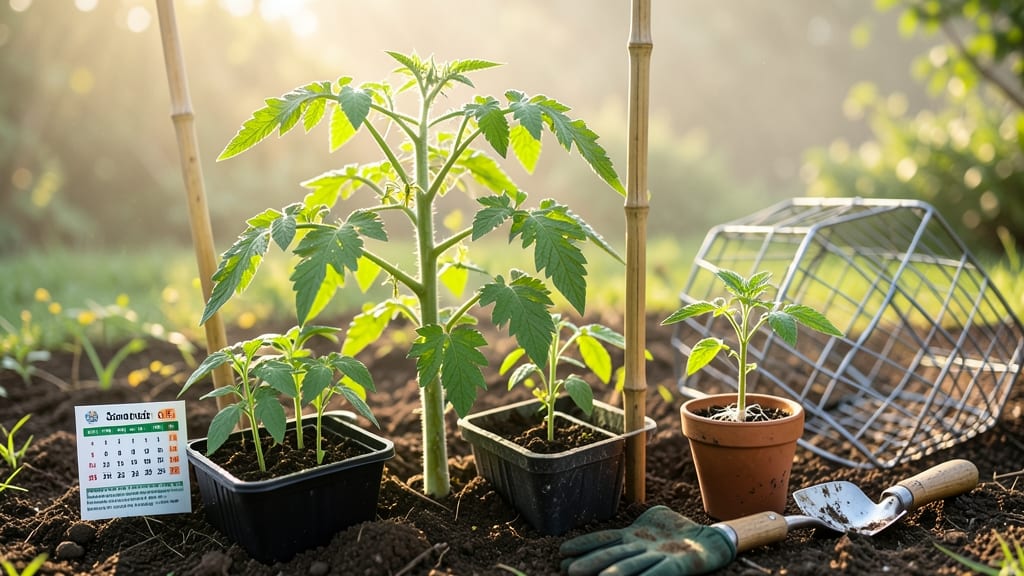
When do you plant tomatoes in New Jersey? Timing your tomato planting just right could mean the difference between a bountiful harvest and a sad, frost-nipped 🍅 disappointment.
With last frost dates varying from mid-April in the north to early April in the south, getting it wrong means risking both early chills and summer heat stress.
I’ve learned the hard way that planting too soon—even with starter plants—can leave your tomatoes vulnerable to late frosts, while waiting too long might cut your harvest short before fall’s first frost.
The key is understanding your specific microclimate, whether you’re in Zone 6a or Zone 7b, and adjusting your schedule accordingly.
In this guide, I’ll break down the exact planting windows for your region, from starting seeds indoors to transplanting outdoors, plus pro tips for extending your season. Whether you’re a first-time gardener or a veteran grower, these strategies will help you avoid common mistakes and maximize your tomato yields.
Ready to turn your garden into a productive powerhouse? Let’s dive into the perfect planting timeline for New Jersey tomatoes—so you can enjoy homegrown fruit from June all the way through October.
NJ tomato planting dates by microclimate Zone (last frost guides + heat tolerance)
New Jersey’s three distinct microclimate zones create wildly different planting windows for tomatoes. In North Jersey (Zone 6a), gardeners face higher frost risk and shorter growing seasons, while South Jersey (Zone 7b-8a) enjoys longer heat tolerance and later harvests.
Even Central NJ (Zone 6b-7a) shows 10-day variations between northern and southern counties. Using NJAES frost probability data, I’ve mapped out the optimal planting windows for each zone—plus soil temperature thresholds to avoid stunted growth.
Tomatoes thrive when soil temperatures hit 60°F or warmer, but nighttime temps must stay above 50°F for seedling survival. In Zone 6a, this typically means waiting until mid-May, while Zone 7b-8a gardeners can plant as early as early April under row covers.
The key? Check NJAES’s frost-free probability maps—your county’s 90% frost-free date is your planting deadline if you’re direct-sowing.
For container-grown tomatoes, adjust dates by 2-3 weeks earlier since pots warm faster. But remember: heat-loving varieties like 'Celebrity' or 'Better Boy' will bolt in 85°F+ temps, so Central and South Jersey gardeners should prioritize shade cloth or succession planting in July for fall harvests.
| Zone | Last Frost (90% Probability) | Optimal Planting Window | Soil Temp Threshold (°F) | Heat Tolerance Notes |
|---|---|---|---|---|
| 6a (North) | Mid-April | May 10–20 (after last frost) | 60°F+ | Use cold-hardy varieties like 'Stupice'; risk of late frost until June 1. |
| 6b-7a (Central) | Late April | April 25–May 15 | 60°F+ | Ideal for 'Early Girl' (60 days); mulch to retain moisture in summer heat. |
| 7b-8a (South) | Early April | April 1–15 (or March 20 under cover) | 55°F+ (earlier with row covers) | Try heat-tolerant 'Solar Fire'; risk of blossom drop if temps exceed 90°F. |
If you’re starting seeds indoors, begin 6-8 weeks before your zone’s last frost date. For Zone 6a, that’s early March, while Zone 7b-8a gardeners can start in late February.
Use grow lights to avoid leggy seedlings—tomatoes need 12-16 hours of light daily before transplanting. Pro tip: Hardening off seedlings for 7-10 days before moving them outside reduces transplant shock by 40%.
For direct-sown tomatoes, wait until soil temps are consistently above 60°F for at least 5 days. Use a soil thermometer—NJ’s clay-heavy soils can stay cold long after air temps rise.
In Zone 6a, this often means delaying until late May, while South Jersey can start as early as mid-April. Plant deeply: bury 2/3 of the stem to encourage root growth from buried nodes.
Heat waves are the #1 enemy of NJ tomatoes. When daytime temps hit 90°F+, set up shade cloth (30-50%) to protect plants. Drip irrigation keeps foliage dry and prevents sun scald on fruits.
In Zone 7b-8a, I’ve had success with succession planting in early July for fall harvests—just choose heat-tolerant varieties like 'Heatmaster' or 'Arkansas Traveler'.
Don’t forget about first frost dates: Zone 6a averages October 15, while Zone 8a can extend harvests until November 1. Use black plastic mulch to warm soil in spring and straw mulch to insulate roots in fall.
For extended-season tomatoes, try cold frames or row covers—I’ve kept 'Mountain Merit' producing until late October in Central NJ with these methods.
To track your local frost dates, bookmark the NJAES Garden Guide or use the NOAA Climate Normals tool. My go-to varieties
How to extend your tomato season in NJ (cold frames, row covers, and succession planting)
New Jersey’s short growing season doesn’t mean you’re stuck with just one tomato harvest. With the right techniques, you can push your planting windows by weeks—even months—while still avoiding frost damage.
Whether you’re a backyard gardener in North Jersey’s Zone 6a or a coastal gardener in South Jersey’s Zone 7b, these methods will help you grow tomatoes earlier and later in the season.
Start by choosing cold-hardy tomato varieties like 'Stupice' or 'Mountain Merit,' which can tolerate temperatures as low as 32°F for short periods. These varieties are perfect for early spring or fall plantings when traditional tomatoes would fail.
Pair them with protective gear to give your plants a fighting chance against late frosts or early chills.
For earlier plantings, use row covers or cold frames to create a microclimate that’s 5–10°F warmer than the surrounding air.
These simple structures can delay frost damage by up to 3–4 weeks, allowing you to plant seedlings as early as late March in South Jersey or early April in Central NJ. Just remember to remove covers during the day to prevent overheating.
🌱 5 Proven Ways to Extend Your NJ Tomato Season
- 1. Use cold frames to plant seedlings 4–6 weeks earlier than usual.
- 2. Cover plants with row fabric when nighttime temps drop below 40°F.
- 3. Choose frost-tolerant varieties like 'Stupice' or 'Mountain Merit' for earlier harvests.
- 4. Succession plant every 2 weeks from May to early June for continuous yields.
- 5. Mulch heavily with straw to insulate roots and protect against late frosts.
Another game-changer is succession planting. Instead of planting all your tomatoes at once, stagger your sowings every 2–3 weeks from late April through early June. This ensures a steady supply of fresh tomatoes from July through October.
For example, plant your first batch of determinate varieties (like 'Roma') in late April under row covers, then follow with indeterminate types (like 'Better Boy') in early May for a longer harvest window.
Don’t overlook fall plantings either! In South Jersey (Zone 7b–8a), you can direct-sow tomato seeds as late as mid-July for a fall harvest. Use black plastic mulch to warm the soil and protect young plants from early October frosts.
In North Jersey (Zone 6a), aim for late June plantings under row covers to extend your season until early October.
Finally, monitor soil and air temperatures closely. Tomatoes thrive when soil stays above 60°F, so use a soil thermometer to guide your decisions. If nights dip below 50°F, even cold-hardy varieties will struggle—so be ready to cover them up or move pots indoors temporarily.
With these strategies, you’ll turn NJ’s short season into a year-round tomato bonanza!