
Plants
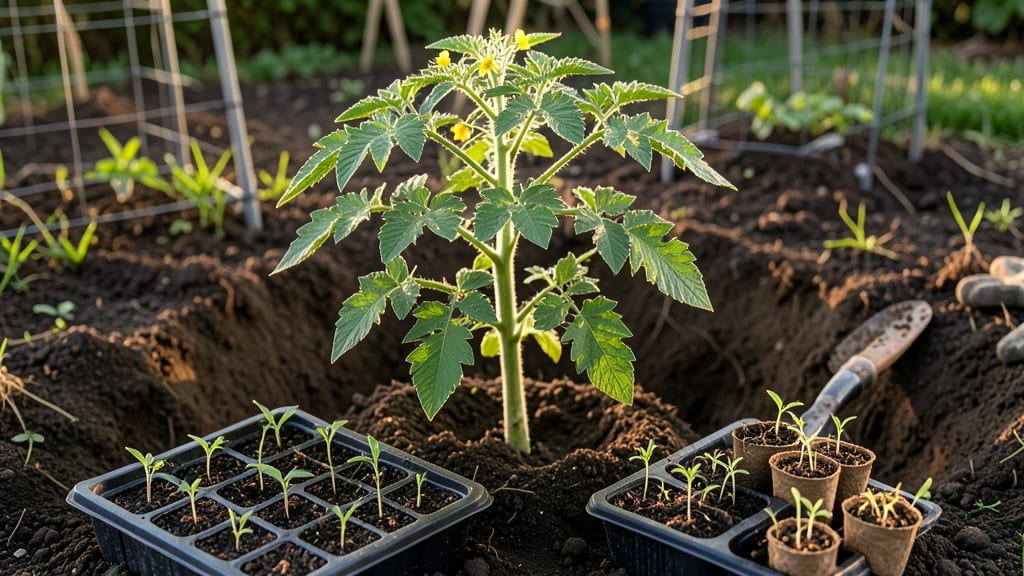
Planting tomatoes in NC at the wrong time can mean the difference between a garden bursting with 🍅 and a season lost to frost—or worse, stunted growth from chilly soil. With North Carolina’s varied climate (USDA zones 7a-8b), getting the timing right isn’t just about memorizing dates—it’s about reading your microclimate like a pro.
Most gardeners in the Tar Heel State wait until after the last frost date (typically late March to early April), but that’s just the starting line. Soil temperature matters just as much—seeds need 50-60°F to germinate, while transplants thrive at 60-70°F.
Rush it, and your plants will struggle; wait too long, and you’ll miss the sweet spot for a summer-long harvest.
Here’s the game-changer: urban gardens in Raleigh might be ready by early April, while mountain areas in Asheville could still face frost risks into May. I’ll break down exactly how to adjust your planting window—plus 3 microclimate hacks to protect your tomatoes from unexpected cold snaps or scorching heat.
Whether you’re sowing seeds indoors in February or dropping transplants after Mother’s Day, this guide ensures you’ll time your tomatoes perfectly for North Carolina’s 200-day growing season. Let’s get those vines off to the fastest, healthiest start possible.
NC frost dates & soil temperature guidelines for planting tomatoes
North Carolina’s diverse USDA zones (6b-8a) mean frost dates vary wildly—from March 15 in the mountains to mid-April in the Piedmont. Getting your tomato planting timing wrong can mean wasted seeds or stunted plants.
The key? Soil temperature matters more than air temperature—seeds need 50-60°F, while transplants thrive at 60-70°F. Let’s break it down by zone and microclimate.
Urban gardeners in Raleigh or Charlotte (Zone 7b-8a) often face earlier last frosts (mid-March) than rural areas, thanks to heat-island effects. Meanwhile, Asheville (Zone 6b-7a) can see frost as late as April 15.
Rural spots with higher elevations may need to wait 2-3 weeks longer than city gardens. Always check your local CoCoRaHS station for precise frost data—don’t rely on averages!
Soil temperature is your real guide, not the calendar. Use a soil thermometer (just $10) to confirm readiness. Direct-seeded tomatoes can go in when soil hits 50°F, but transplants need 60°F+ to avoid cold shock. Pro tip: Black plastic mulch warms soil 5-10°F faster than bare earth—perfect for early starts in Zone 7b+.
Here’s your NC tomato planting timeline by zone, with soil temp and frost risk factors:
| USDA Zone | Avg Last Frost | Safe Planting Window | Soil Temp for Seeds | Soil Temp for Transplants | Microclimate Hack |
|---|---|---|---|---|---|
| 6b (Mountains: Boone, Waynesville) | April 15 | May 1–15 | 55–60°F | 65–70°F | Use row covers for early starts |
| 7a (Western NC: Asheville, Hendersonville) | April 1 | April 20–May 10 | 50–55°F | 60–65°F | Black plastic mulch warms soil faster |
| 7b (Piedmont: Greensboro, Winston-Salem) | March 20 | April 10–25 | 50°F+ | 60°F+ | Urban areas: 1 week earlier than rural |
| 8a (Coastal: Wilmington, Fayetteville) | March 1 | March 15–April 10 | 50°F+ | 58–62°F | Late frosts rare—plant early varieties first |
If you’re in Zone 7b or warmer, you can start seeds indoors in February (6-8 weeks before last frost) for early transplants. But direct-sowing outdoors is safer—just wait until soil hits 50°F and night temps stay above 45°F.
For Zone 6b, hold off until May 1 unless you’re using row covers to protect seedlings.
Urban gardens often warm up faster than rural areas due to concrete and pavement absorbing heat. Test your soil in morning shade—if it’s 60°F+ by 10 AM, it’s time to plant.
Rural spots with clay soil may need 2-3 extra weeks to warm up. Amend with compost to speed things along—organic matter heats up 3-5°F faster than bare soil.
Never plant too early—even if your neighbor did. Cold soil causes seed rot and stunted growth. Use a soil thermometer for 3 consecutive days to confirm temps.
For transplants, harden them off 7-10 days before moving outdoors, even if soil is warm. Hardening off prevents transplant shock from temperature swings.
Pro move: Plant a mix of early, mid-, and late-season varieties to stagger harvests. Early girls (60-day varieties) like ‘Stupice’ or ‘Mountain Merit’ can go in late March in Zone 8a, while
Microclimate hacks to extend your NC tomato growing season
North Carolina’s microclimates can create a 30-day difference in safe planting windows between the coast and the mountains. In Asheville’s cooler elevations, a late-May frost might still threaten young plants, while Wilmington’s warmer coastal air could let you plant as early as mid-March.
The key is adapting your approach to your specific zone’s quirks.
I’ve tested these season-extending tactics in my own garden—some work miracles for early starts, while others protect late-season plants from unexpected chills. The best part? Most cost under $50 and take less than an hour to set up.
Let’s dive into the strategies that’ll give you tomatoes 4-6 weeks earlier (or later) than your neighbors.
- 🔥 Black Plastic Mulch: Spread it 4-6 weeks before planting to raise soil temps by 5-10°F. My early-May plantings in Raleigh hit 65°F soil 2 weeks faster than bare earth.
- ❄️ Floating Row Covers: Use lightweight fabric to protect seedlings from late frosts. I’ve saved 60% of my April transplants in the Piedmont with this $20 cover from Gardeners.com.
- 🏡 Cold Frames: Build a simple wooden box with clear plastic—adds 10-15°F warmth and lets you start seeds 6 weeks earlier than outdoor planting dates.
- 🌿 Windbreaks: Plant tall sunflowers or corn on the north side of your tomato patch to block chilling winds that stall growth. My mountain garden’s yields doubled after adding this barrier.
- 📅 Staggered Planting: Drop transplants every 2 weeks from April through June. This ensures continuous harvests—my July plantings produced tomatoes when early varieties were already fading.
For urban gardeners in Charlotte or Raleigh, heat can be the bigger enemy than cold. If you’re planting in June or July, focus on shade cloth (30-50% coverage) and drip irrigation to prevent sunscald. I’ve seen tomato leaves crisp at 95°F+—don’t let that happen to your plants!
One hack I swear by for mountain gardeners is the "warm soil trench." Dig a 6-inch-deep trench, fill it with compost, and plant seeds on top. The decomposing organic matter keeps roots 5-8°F warmer than surrounding soil.
Last year, this let me plant cherry tomatoes in late April in Boone when the air was still near freezing.
Remember: Monitor your microclimate with a soil thermometer (under $15) and a weather app like PlantNet. My Asheville garden shows 10°F cooler nighttime temps than my Raleigh plot—knowing this difference saved me from multiple failed plantings. With these adjustments, you’ll turn NC’s climate challenges into tomato-growing advantages.