
Companion Plants
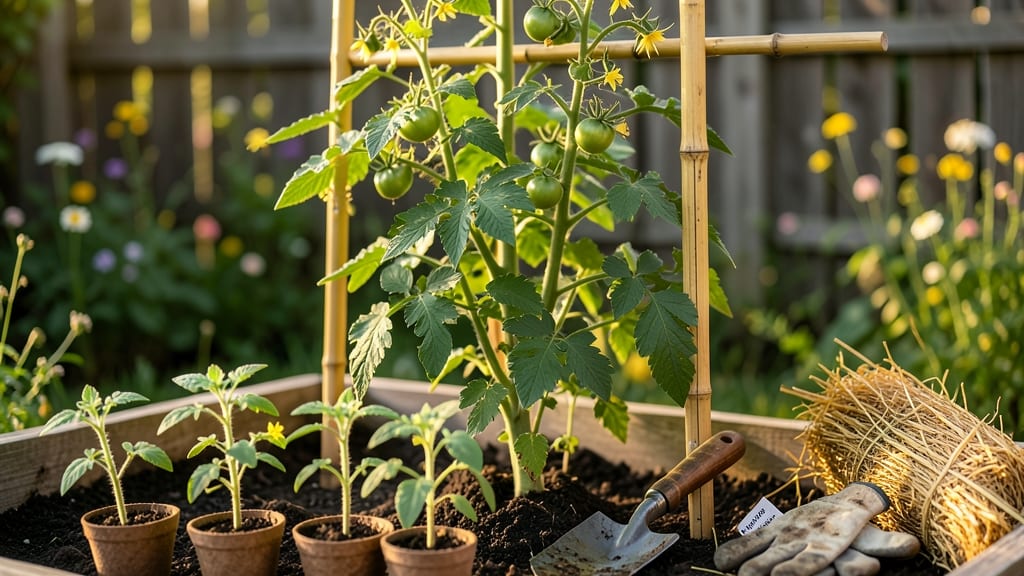
Planting tomatoes in Missouri isn’t just about grabbing seeds and sticking them in the ground—it’s about timing your 🍅 crop perfectly to avoid frost or miss the harvest window.
With Missouri’s USDA zones 5b-6b and unpredictable weather, getting the timing right means the difference between a bumper crop and a wasted season.
Most gardeners in Missouri start their tomato seeds indoors 6-8 weeks before the last expected frost date, which typically falls around mid-April—but that’s just the beginning. Direct-sowing outdoors should wait until soil temperatures hit at least 60°F, usually by late April or early May, depending on your microclimate.
In this guide, I’ll break down the exact planting windows for St. Louis, Kansas City, and Springfield, plus how to adjust for early varieties or late-season harvests. Whether you’re a first-time gardener or a veteran looking to maximize your yield, these region-specific tips will help you plant with confidence.
Ready to grow juicy, homegrown tomatoes? Let’s dive into the best times to get your plants in the ground—and keep them thriving all season long.
Missouri frost dates & safe planting windows by region
Missouri’s climate varies dramatically from north to south, so last frost dates can shift by weeks between St. Louis and Kansas City. In most of the state, tomatoes should go in the ground 2-4 weeks after your area’s average last frost date.
For northern Missouri (USDA Zone 5b), this often means mid-to-late May, while southern regions (Zone 6b) can start as early as mid-April. Always check local frost forecasts—late frosts in April can still threaten young plants.
Direct-sowing seeds is another option, but soil temperatures must stay above 60°F for consistent germination. In St. Louis, this typically happens by mid-April, while Springfield and Columbia might wait until late April.
If you’re in doubt, opt for transplanting seedlings—they’re hardier and give you a head start on the season.
Missouri’s first fall frost usually arrives between mid-October and early November, depending on elevation. For a second crop, plant heat-tolerant varieties like ‘Celebrity’ or ‘Heatmaster’ in late July—they’ll mature before frost. Just be prepared to harvest quickly if temperatures dip unexpectedly.
Pro tip: Use row covers or cold frames to extend your season by 2-4 weeks in both spring and fall. These tools can push your harvest window from July to October instead of just August-September.
Missouri Tomato Planting Windows by Region
| Region | Avg. Last Frost | Safe Transplant Window | Direct Sow Window | First Frost Risk |
|---|---|---|---|---|
| Northern MO (St. Joseph, Kirksville) | May 1-15 | May 15-30 | May 1-15 (soil ≥60°F) | Oct 10-20 |
| Central MO (Columbia, Jefferson City) | April 15-30 | April 30-May 15 | April 15-30 | Oct 1-10 |
| St. Louis Metro | April 1-15 | April 15-30 | Mid-April | Oct 5-15 |
| Southwest MO (Springfield, Joplin) | March 25-April 10 | April 10-25 | Late March | Oct 15-25 |
*Sources: Missouri State Climate Office, 30-year averages (1991-2020). Always verify with local forecasts.
For container gardening, start seedlings indoors 6-8 weeks before your last frost date. Use grow lights to supplement Missouri’s shorter spring days, and move pots outside only after nighttime temps stay above 55°F.
Containers warm up faster than soil, so they’re ideal for early starts in cooler regions like St. Louis.
Missouri’s microclimates can also affect timing—urban areas like Kansas City often experience urban heat islands, allowing for earlier planting by 1-2 weeks. If you’re unsure, ask neighbors with established gardens or check local Cooperative Extension Service resources for hyper-local advice.
One final tip: Monitor your garden’s microclimate by placing a minimum-maximum thermometer near planting beds. If your area’s nighttime lows dip below 50°F after planting, use row covers or black plastic mulch to protect young plants and speed up soil warming.
Best tomato varieties for Missouri’s climate & when to plant each
Missouri’s diverse climate means not all tomato varieties thrive equally. Early-maturing types like ‘Early Girl’ (60 days) are perfect for northern zones, while heat-tolerant varieties like ‘Celebrity’ (70 days) handle southern Missouri’s summer heat better. Cherry tomatoes such as ‘Sweet 100’ (65 days) are great for containers and succession planting.
For heirloom lovers, ‘Brandywine’ (80-90 days) needs a longer season but rewards with flavor-rich fruit. Dwarf varieties like ‘Tiny Tim’ (65 days) are ideal for small spaces or container gardening. Always check your last frost date—planting too early risks frost damage, while late planting cuts harvest time.
| Variety | Days to Maturity | Best Planting Window | Missouri Notes |
|---|---|---|---|
| Early Girl | 60 days | April 15–May 15 | Ideal for short seasons; great for northern MO |
| Celebrity | 70 days | April 20–May 20 | Heat-resistant; perfect for southern MO |
| Sweet 100 (Cherry) | 65 days | April 15–June 1 (succession) | Great for containers; harvest clusters |
| Brandywine | 80–90 days | May 1–15 | Needs long season; best in central/southern MO |
| Tiny Tim | 65 days | April 20–May 10 | Dwarf; perfect for patios or small gardens |
If you’re starting seeds indoors, begin 6–8 weeks before your last frost date. For example, in St. Louis (Zone 6a), start seeds by March 1 for transplanting by April 15.
In Kansas City (Zone 5b), wait until March 15 to start seeds. Direct-sowing seeds after soil warms to 60°F (usually mid-May in most regions).
For fall harvests, try late-season varieties like ‘Mountain Merit’ (70 days) and plant transplants by July 1. Use row covers to extend the season into early October. Succession planting every 2–3 weeks ensures a steady supply of fresh tomatoes all summer.
Missouri’s microclimates matter—urban areas like St. Louis may warm faster than rural Springfield. Monitor your local weather forecasts and adjust planting dates accordingly. Heat waves can stress plants, so mulch heavily to retain moisture and prevent blossom drop.
Pro tip: Save seeds from your best-performing varieties to create a localized strain adapted to Missouri’s climate. Heirlooms like ‘Cherokee Purple’ (75 days) often thrive better in humid conditions than commercial hybrids. Experiment with 2–3 varieties each season to find your favorites!