
Plants
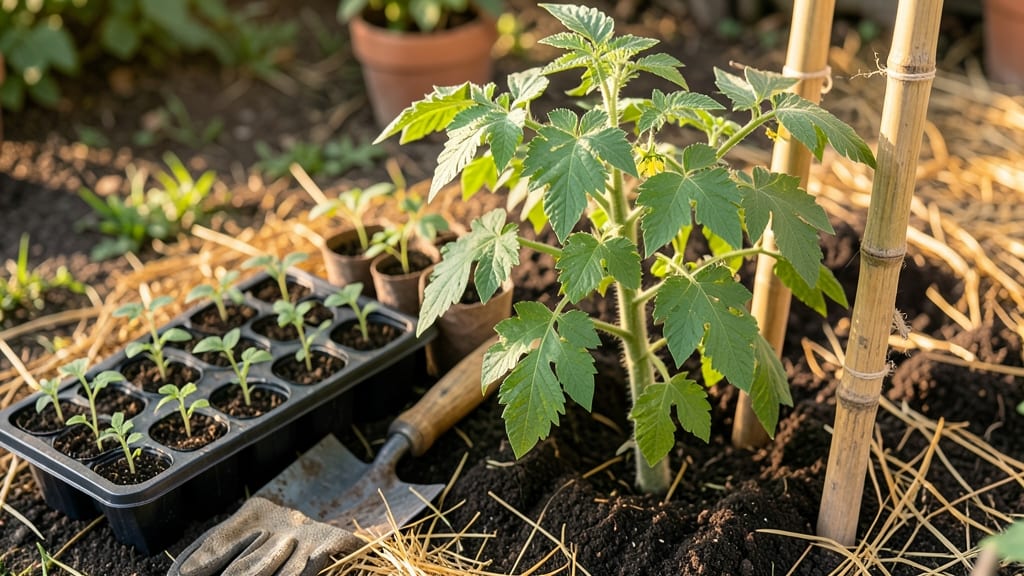
Planting tomatoes in Kansas isn’t just about the calendar—it’s about soil temperature, microclimates, and avoiding that heartbreaking first frost. If you’ve ever watched your seedlings wilt after a late April freeze or struggled with stunted growth from cool soil, you know timing is everything.
The key? Waiting until the ground warms to at least 60°F and nighttime temps stay above 50°F, typically between mid-April and early June, depending on your zone.
Kansas gardeners in zones 5b-7a face unique challenges: from the Flint Hills’ windy plains to the Arkansas River Valley’s heat pockets. Whether you’re starting seeds indoors in March or transplanting 🍅 seedlings after last frost, local soil conditions can make or break your harvest.
Urban gardeners with containers? You’ll need to adjust even further—pots heat up faster but dry out quicker.
But here’s the good news: with the right strategy, you can extend your tomato season well into October.
We’ll cover exactly when to plant for your specific corner of Kansas, how to prep soil for faster warming, and pro tips to salvage late starts or push harvests later—no matter your zone. Let’s get those vines growing strong!
Ready to turn your Kansas garden into a tomato powerhouse? Skip the guesswork and learn the data-backed windows for planting, transplanting, and even succession planting. By the end, you’ll know exactly when to set those seeds—and how to protect them from Kansas’ quirks.
Kansas tomato planting dates by soil temperature (not just the calendar)
Kansas gardeners often rely on the calendar for planting tomatoes, but soil temperature is the real game-changer. Tomatoes need warm soil—at least 60°F—to germinate and thrive.
In Kansas' USDA Zones 5b-7a, air temps might trick you into planting early, but cold soil will stall seeds or shock transplants. I’ve learned this the hard way: my 2022 cherry tomatoes took 3 weeks to sprout because I ignored soil temps in April!
Your planting window hinges on two critical factors: soil temperature and nighttime lows. Kansas’ last frost typically hits around April 15, but soil warms slower in Zone 5b (eastern KS) than in Zone 7a (southwest KS).
For example, in Wichita (Zone 7a), soil hits 60°F by mid-April, while in Topeka (Zone 6a), it waits until late April. Ignoring this can mean blight-prone seedlings or stunted growth.
Here’s the non-negotiable rule: Wait until soil temps consistently stay above 60°F for 7+ days before planting. Use a soil thermometer (they’re cheap!) to check. I test temps at 4-inch depth in the morning—this mimics root-zone conditions.
Pro tip: Black plastic mulch can add 5-10°F to soil temps, giving you an earlier start.
| Kansas Region | USDA Zone | Soil Temp Threshold | Indoor Start Date | Outdoor Plant Date | Notes |
|---|---|---|---|---|---|
| Northeast KS (e.g., Kansas City) | 5b-6a | 60°F (4-inch depth) | Mid-March | Late April to early May | Use row covers for frost protection. |
| Central KS (e.g., Manhattan) | 6a-6b | 60°F (4-inch depth) | Late March | Early to mid-April | Black plastic mulch speeds up soil warming. |
| Southwest KS (e.g., Wichita) | 7a | 60°F (4-inch depth) | Early March | Mid-March to early April | Longer growing season; try heat-tolerant varieties. |
| All Regions (Direct Sow) | 5b-7a | 65°F (4-inch depth) | N/A | Late May to early June | Avoids transplant shock; best for late varieties. |
For indoor starts, begin seeds 6-8 weeks before your last frost date. In Zone 5b, that’s mid-March, while Zone 7a gardeners can start by early March. Use grow lights if natural light is weak—tomato seedlings stretch toward weak light, becoming leggy and prone to disease.
I use 5000K LED bulbs on a 16-hour cycle for robust starts.
Transplanting outdoors? Harden off seedlings for 7-10 days before moving them. Acclimate them gradually to wind and sun by placing them outside for a few hours daily, increasing time each day.
Skip this step, and you’ll risk transplant shock, which stunts growth. I’ve seen seedlings wilt dramatically after direct transplanting—don’t make that mistake!
If you’re direct-sowing (skipping seedlings), wait until soil temps hit 65°F and nighttime lows stay above 50°F. This usually falls in late May to early June across most of Kansas.
Direct-sown tomatoes often outperform transplants because they establish deeper roots faster. Try ‘Mountain Merit’ or ‘Celebrity’ for reliable direct-sown varieties.
One common mistake is planting too early to beat the competition. I once saw a neighbor plant in early April and lost all her seedlings to late frost. Instead, use
How Kansas microclimates (from wet to dry) change your tomato planting strategy
Kansas isn't one-size-fits-all when it comes to gardening. The Flint Hills in eastern Kansas get 30% more rainfall than the Arkansas River Valley in the west, while wind patterns shift dramatically between regions.
These microclimates mean your neighbor's tomato schedule might be a death sentence for your plants—especially if you're in USDA Zone 5b versus Zone 7a. Let's break down how to adjust your strategy.
In eastern Kansas (like Flint Hills), soil stays moist longer, giving you a 2-week earlier planting window than western areas. Meanwhile, western Kansas (including Smoky Hills) faces harsher winds and drier soil, requiring earlier starts indoors and windbreaks.
Even within cities like Wichita or Topeka, urban heat islands can push planting dates back by 10 days compared to rural areas.
| Region | Soil Type | Planting Window | Key Adjustments |
|---|---|---|---|
| Flint Hills (East) | Clay loam, high organic matter | Mid-April to May 15 | Direct sow after last frost; mulch to retain moisture |
| Smoky Hills (Central) | Loamy, moderate drainage | Late April to early June | Start seeds indoors 6-8 weeks before last frost; use windbreaks |
| Arkansas River Valley (West) | Sandy loam, dry | Late April to May 10 | Black plastic mulch to warm soil; drought-tolerant varieties |
| Urban Kansas (Wichita/Topeka) | Varied (clay to urban soil) | May 1 to June 1 | Container gardening; heat-tolerant varieties like 'Solar Fire' |
Frost risk is another game-changer. The Flint Hills average a last frost date of April 15, while the Arkansas River Valley can see frost as late as May 1.
Use the Kansas State University frost map to pinpoint your exact risk zone—then add a 2-week buffer before planting outdoors. For western Kansas, consider row covers to protect early seedlings from unexpected late frosts.
Wind exposure also shifts planting strategies. In open prairie areas like the Smoky Hills, tomato plants need staking or cages to prevent wind damage. For sheltered urban gardens, you can push planting dates back by 1-2 weeks since microclimates create warmer pockets.
Always check wind rose data for your county—if winds exceed 10 mph frequently, opt for bush varieties like 'Patio' or 'Roma'.
Soil drainage varies wildly too. Eastern Kansas' clay-heavy soils need amendments like compost or sand to prevent waterlogging, while western sandy soils require organic matter to retain moisture. Test your soil's pH (6.0-6.8 ideal) and drainage before planting—tomatoes hate soggy roots but also suffer in bone-dry soil.
Use raised beds in problem areas to gain control over both factors.
Pro tip: Track your local soil temperature with a soil thermometer—tomato seeds need 60°F+ soil to germinate, and transplants thrive at 70°F+. In western Kansas, this can mean waiting until mid-May for direct sowing, while eastern Kansas gardeners might start as early as late April.
Adjust your variety choice too: heat-tolerant types like 'Heatmaster' shine in the Arkansas Valley, while early maturing 'Stupice' works for shorter seasons in the Flint Hills.
🌱