
Plants
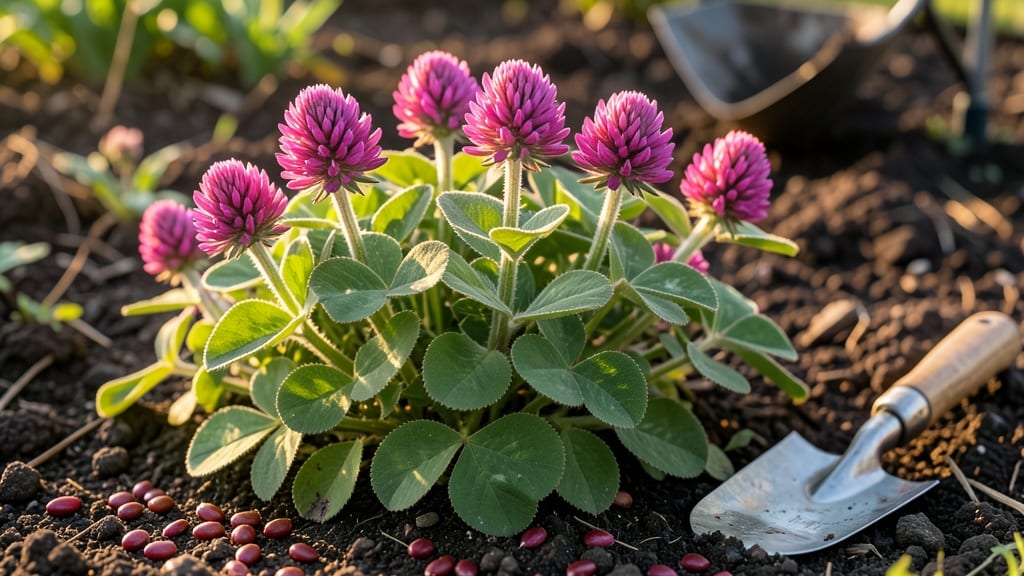
Planting crimson clover 🌸 in North Carolina at the wrong time can turn your cover crop dreams into a flop—soil temperature is the game-changer most gardeners miss.
Whether you're aiming for a nitrogen boost or pollinator-friendly blooms, getting the timing right means the difference between a thriving patch and wasted seeds.
Most North Carolina gardeners swear by late summer to early fall (August-October) as the sweet spot, but there's a science behind it. The key? Soil temps between 55°F and 75°F—too hot or too cold, and your clover seeds will either bake or stall.
I'll show you exactly how to check your soil's readiness and adjust for your specific zone, whether you're in the Piedmont's rolling hills or the Coastal Plain's humid lowlands.
You might think spring planting is just as good, but here's the catch: those early spring seeds often struggle with inconsistent moisture and competing weeds. Fall-planted clover establishes roots before winter, giving it a head start for that fast spring bloom you're after.
Plus, it handles NC's variable frost dates like a champ—no more guessing games.
Ready to skip the trial-and-error? Let's dive into the exact soil temperature tricks that'll have your crimson clover off to a flying start—no matter where you are in the state. Your future cover crop (and pollinators) will thank you.
Best planting months for crimson clover in NC based on soil temperature
North Carolina's diverse climate zones—from the Coastal Plain to the Mountains—create unique windows for planting crimson clover. The key to success? Soil temperature between 55°F and 75°F. Planting too early or late can leave your seeds struggling to germinate or establish before frost.
For most of NC (USDA zones 6a-8b), the ideal planting windows are late summer to early fall (August-October) or early spring (March-April). These periods align with soil warming after summer heat and cooling before winter frost, giving seedlings the best chance to thrive.
In the Piedmont region, where summers are hotter, aim for September planting to avoid the dog days of August. Meanwhile, the Coastal Plain benefits from October plantings to escape early frost risks. Mountain zones (like Asheville) can push planting to late April due to later frost dates.
Soil temperature is more critical than air temperature. Crimson clover seeds need consistent warmth to sprout—below 55°F delays germination, while above 75°F can stress young plants. Use this as your decision-making tool instead of just following a calendar.
🌱 Crimson Clover Planting Timeline for NC
| Planting Window | Soil Temp Range | NC Climate Zones | Key Considerations |
|---|---|---|---|
| Late August - Early September | 60°F - 70°F | Piedmont, Coastal Plain | Avoids summer heat; ideal for fall cover crops |
| October (early) | 55°F - 65°F | All zones | 6 weeks before first frost; winter-hardy varieties only |
| March - Early April | 60°F - 70°F | Mountains, Piedmont | Spring bloom for pollinators; avoid late frosts |
| Late April (Mountains only) | 55°F - 65°F | USDA 6a-7a | Extended growing season; monitor for late frosts |
Fall planting (August-October) is preferred for cover crops because it allows the clover to establish roots before winter, then fix nitrogen for spring gardens. Spring plantings (March-April) are better for pollinator support or seed production, but require vigilance against late frosts.
If you're in Zone 8b (like Raleigh or Charlotte), you can push fall planting to mid-October thanks to milder winters. But gardeners in Zone 6a (e.g., Boone) should plant by September 15th to avoid frost damage. Always check your local frost dates—they vary by 1-2 weeks across NC.
Pro tip: Direct sow seeds rather than transplanting seedlings. Crimson clover has a delicate root system that doesn't handle disturbance well. Scatter seeds ¼-inch deep in prepared soil and keep them consistently moist until germination (typically 7-14 days at optimal soil temps).
For maximum nitrogen fixation, aim to have clover fully established by the time soil temps drop below 50°F. This ensures it can overwinter successfully and bloom vigorously in spring, providing 30-60 lbs of nitrogen per acre to your garden soil.
Remember: Crimson clover is an annual in NC, so timing matters for both cover crop benefits and pollinator support. Get it right, and you'll enjoy lush growth and reduced fertilizer needs next season.
How to check soil temperature before planting crimson clover in NC
Checking your soil temperature before planting crimson clover 🌸 in North Carolina is like reading the weather forecast for your seeds—it tells you exactly when conditions are perfect for germination.
Most gardeners assume they can eyeball the season, but NC's microclimates (think Piedmont's cooler nights vs. Coastal Plain's humidity) create big differences in soil warmth. Without testing, you might plant too early when soils are still hot from summer, or too late when frost is lurking.
I’ve learned the hard way that soil thermometers are worth their weight in gold here. A simple digital probe (like the ones used for composting) gives you real-time readings at the depth where crimson clover roots will establish—about 2 inches deep.
This is where seeds actually "feel" the temperature, not the air above. For example, I tested my garden in Raleigh last September and found 62°F at 2 inches—ideal for planting—while the air temp was only 78°F. That’s a game-changer!
If you don’t have a soil thermometer, don’t panic. A DIY trick works surprisingly well: bury a thermometer (even an old kitchen one) in a small hole, cover it with soil, and check it after 30 minutes.
For a quick estimate, press your hand into the soil—if it feels warm but not hot (like a lukewarm bath), it’s likely in the 60°F-70°F range, perfect for crimson clover. Just remember: shady spots stay cooler, and southern exposures warm up faster.
Here’s where NC’s regions throw a wrench into the plan. In the Piedmont (like Greensboro or Durham), soils cool faster after summer, so aim for late August to mid-September when temps drop to 65°F-70°F.
Down in the Coastal Plain (Wilmington or Fayetteville), humidity keeps soils warmer longer—wait until early September or even October for that same 60°F-65°F sweet spot. Mountain areas? You’ve got more wiggle room—plant as late as October if your soils are still 55°F+.
⚠️ WARNING: Planting Too Early or Late in NC ⚠️
Pro tip: Check temps at 10 AM when soils are warmest. If you’re planting in spring (March-April), aim for 55°F-65°F—warmer than fall, but still cool enough to avoid stress. I’ve seen gardeners in Zone 8a (like Charlotte) plant too early in March and end up with stunted clover because the soil was still 48°F. Patience pays off here!
Once you’ve nailed the soil temp, don’t forget to water lightly after planting to settle seeds into the soil. Crimson clover needs moisture but not soggy conditions—think of it like giving your seeds a cozy blanket.
And if you’re in a drought-prone area (like the Sandhills), consider a light mulch to retain that precious moisture while temps are just right. Your future cover crop will thank you with vibrant blooms and nitrogen-rich soil next spring.
Ready to put this into action? Grab your soil thermometer (or borrow one from a neighbor’s garden) and test a few spots in your yard. Trust me, the 5-minute check now will save you weeks of frustration later. Happy planting—your crimson clover is waiting for the perfect moment! 🌱