
Plants
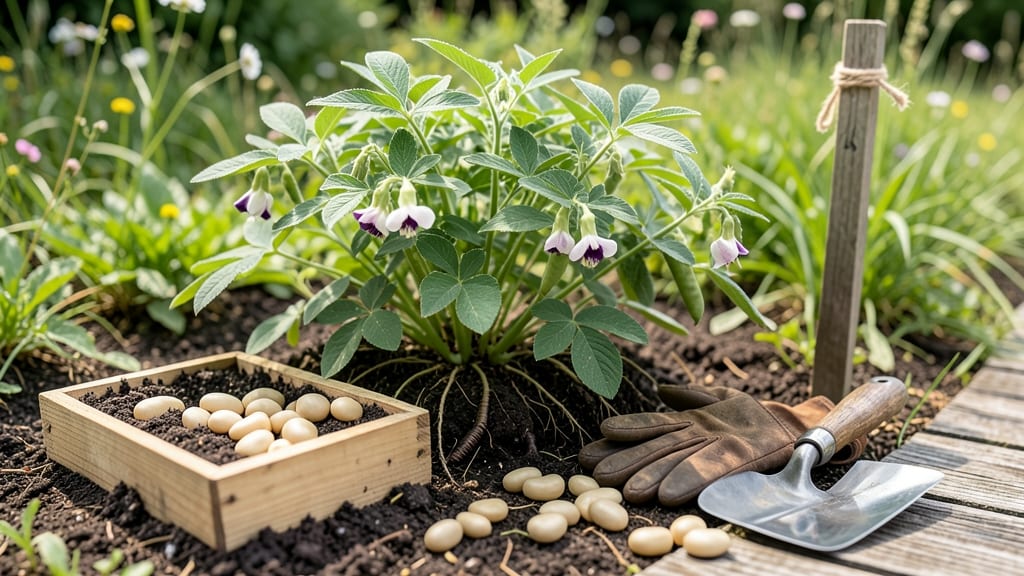
Timing your fava bean planting in Zone 8 could mean the difference between tender, sweet pods and bitter, stringy failures. These cold-hardy 🌱 legumes thrive when planted just right—too early, and they bolt; too late, and they struggle with heat.
The secret lies in understanding your microclimate and working with nature's rhythm.
For most Zone 8 gardeners, the ideal window runs from late winter to early spring (February-March) or fall (September-October), when soil temps dip below 70°F. Planting 6–8 weeks before your first frost (typically mid-November) gives fava beans time to establish roots before winter's chill sets in.
This timing ensures your plants stay cool and sweet, not bolting prematurely.
But here's the catch: Zone 8's mild winters mean you can also try a fall planting for an early spring harvest. The key is avoiding heat stress—fava beans hate temperatures above 75°F.
By planting in cooler months, you'll sidestep this issue and enjoy a steady supply of fresh pods come spring.
Ready to grow fava beans that don't bolt? I'll walk you through the exact months to plant, soil prep tips, and how to adjust for your local microclimate. Let's get those beans in the ground at the perfect time for zero-bolt success.
Zone 8 fava bean planting calendar: exact months to avoid bolting
Fava beans thrive in Zone 8's mild winters but bolt quickly when exposed to warmth above 75°F or inconsistent temperatures. The key to zero-bolt success lies in planting during two narrow windows: late fall and early spring.
Unlike heat-loving crops, fava beans actually prefer cooler soil (50-65°F) to establish strong roots before flowering.
In my Zone 8a garden (average last frost: February 15), I've found that planting in September-October gives plants enough time to mature before winter slows growth. However, Zone 8b growers (milder winters) can extend planting into November—just be ready to protect seedlings if temperatures dip below 20°F.
The alternative? Plant again in February-March for a spring harvest.
Bolting (premature flowering) happens when fava beans sense warmth after a cold period. In Zone 8, this often occurs if you plant too early in August or too late in March. The solution? Use a planting calendar tied to your local first frost date and soil temperatures—not just the calendar month.
Here’s my Zone 8 fava bean planting comparison to help you pick the best window for your microclimate:
| Planting Window | Ideal Months | Soil Temp (°F) | Days to Maturity | Bolting Risk | Microclimate Notes |
|---|---|---|---|---|---|
| Fall Planting | September-October | 50-65°F | 90-120 days | Low (cool nights) | Best for Zone 8a; harvest before winter slows growth |
| Late Fall Planting | November (Zone 8b only) | 45-55°F | 100-130 days | Moderate (protect from frost) | Use row covers if temps drop below 20°F |
| Early Spring Planting | February-March | 55-65°F | 80-100 days | High (if warm spells occur) | Avoid planting after March 15 in most of Zone 8 |
| Winter Planting (Risky) | December-January | 40-50°F | 120-150 days | Very High | Only for Zone 8b with protection; slow growth |
To calculate your exact planting dates, start with your average first frost date (typically November 15 in Zone 8) and count backward. For fall plantings, aim to harvest 4-6 weeks before frost.
For example, if your frost date is November 15, plant by October 1 for a mid-October harvest. Use a soil thermometer to confirm temps—below 50°F delays germination.
Microclimate adjustments are critical in Zone 8. If you live in a cooler microclimate (e.g., near water or elevation), you can plant 2-3 weeks later than the calendar suggests.
Conversely, urban heat islands may require planting 2 weeks earlier to avoid bolting. Observe your garden’s sun exposure patterns—south-facing beds warm up faster and may need earlier plantings.
Pro tip: Mix fall and spring plantings to extend your harvest. My Zone 8a garden yields pods from late October to early May using this strategy.
Start with September sowings for fall harvests, then plant again in February for spring. Just avoid planting in August—the heat triggers bolting within weeks.
For bolting resistance, choose varieties like Aquadulce or Windsor, which tolerate wider temperature swings. Pair your fava beans with shade-providing crops like tall sunflowers or corn to moderate soil temps in spring. Mulch with straw or leaves to keep roots cool during warm spells.
Remember: Consistent moisture is your best defense against bolting. Let soil dry slightly between waterings (1 inch per week), but never allow it to bake. In my experience, drip irrigation on a timer eliminates guesswork and keeps plants happy through Zone 8’s unpredictable fall and spring transitions.
With these precise planting windows and microclimate tweaks, you’ll enjoy tender, zero-bolt fava bean pods all season long—no bitter surprises! 🌱
How to extend your fava bean season in warm Zone 8 climates
Zone 8 winters can be deceptively warm, pushing fava beans to bolt prematurely and ruin your harvest. The key to success lies in strategic timing and environmental control.
By combining shade cloth, moisture management, and companion planting, you can stretch your fava bean season by 4-6 weeks without sacrificing pod tenderness. These techniques work especially well in warmer microclimates where temperatures hover around 60-65°F during winter months.
First, understand that fava beans thrive in cooler temperatures but struggle when daytime highs exceed 75°F. In Zone 8's mild winters, this threshold is often crossed during late winter or early spring.
The solution? Create a cooler microclimate around your plants using 30-40% shade cloth during peak afternoon sun. This simple adjustment can delay bolting by 2-3 weeks while maintaining healthy growth.
Soil moisture is the most critical factor in preventing bolting. Fava beans are particularly sensitive to drought stress, which sends them into a survival mode that accelerates flowering. I've found that maintaining consistent soil moisture through drip irrigation or soaker hoses makes a dramatic difference.
In my own garden, switching from overhead watering to drip irrigation extended my harvest window by 3 weeks during a particularly warm February.
Companion planting is another game-changer for Zone 8 growers. Pairing fava beans with leafy greens like spinach or onion family plants creates a mutually beneficial microclimate. The taller greens provide light shade during peak afternoon heat, while the fava beans fix nitrogen in the soil, benefiting all nearby plants.
My favorite combination is fava beans with Swiss chard—the chard's broad leaves create perfect shade while the fava beans thrive in the cooler, more humid environment.
Don't overlook the power of succession planting in warm Zone 8 climates. Instead of planting all your fava beans at once, stagger your plantings every 2-3 weeks starting in late September. This ensures a continuous harvest and spreads out the risk of heat stress.
In my experience, the second planting (around mid-October) often produces the most tender pods because it avoids the hottest summer months entirely.
Remember that variety selection matters too. In warm Zone 8 conditions, choose bolting-resistant varieties like Aquadulce or Windsor. These types handle slightly warmer temperatures better than standard varieties.
Pair this with your shade strategies, and you'll enjoy tender fava bean pods from December through March—right when most gardeners are craving fresh, homegrown greens.