
Plants
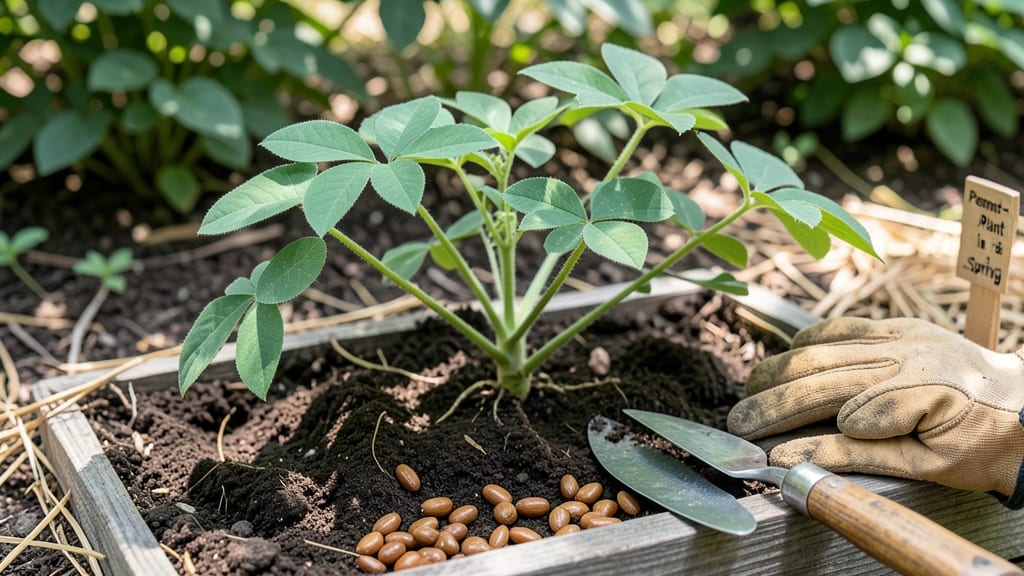
Planting peanuts in North Carolina isn’t just about checking a calendar—it’s about catching that sweet spot between soil warmth and frost-free days that can make or break your harvest.
While the general window is late April to early June, the real magic happens when your soil hits 65°F and stays there, signaling it’s time to drop those 🥜 seeds into the earth.
Here’s the catch: NC’s varied climate means what works in the Coastal Plain might fail in the Piedmont. Too early, and frost lingers; too late, and your peanuts won’t mature before the first chill.
I’ll break down the exact timing for your region—plus how to test soil temperature like a pro—so you can plant with confidence and avoid common pitfalls.
Why does this matter? Because peanuts need 120 days of warmth to thrive, and missing that window means smaller yields or no harvest at all.
I’ll show you how to adjust for humidity, elevation, and even urban heat islands, so whether you’re in Raleigh or Asheville, you’ll know precisely when to plant for a bumper crop.
Ready to dive in? Let’s turn your peanut dreams into reality with actionable tips that work for NC’s unique growing conditions—no guesswork required.
North Carolina peanut planting zones by last frost date
Peanuts thrive in North Carolina’s warm climate, but timing your planting window depends on your USDA zone and last frost date. Since peanuts need 120+ days of heat to mature, planting too early risks frost damage, while late planting shortens the growing season.
NC’s 5 key regions—Coastal Plain, Piedmont, Mountains, and their microclimates—each have unique frost-free windows.
Peanuts require Zone 7b or warmer for reliable harvests. Most of NC falls within Zone 7b-8a, but elevation and coastal influences create 10-14 day variations in planting windows.
For example, Asheville’s higher elevation delays planting by 2 weeks compared to Wilmington’s coastal warmth. Always verify your last frost date using NC State Extension’s frost maps.
Heat units (growing degree days) are critical: peanuts need 2,500-3,000 GDDs to mature. Coastal areas accumulate these faster due to longer summers, while mountain foothills may need early-maturing varieties like Virginia-type peanuts. Use this table to align your planting with regional heat zones and frost-free windows.
For Coastal Plain gardeners, aim to plant by May 1 to avoid hurricane season disrupting harvests. Use Runner-type peanuts, which handle humidity better. In the Piedmont, where nights stay cooler, opt for Virginia-type varieties that mature in 110-120 days.
Mountain growers should stick to Early Runner varieties and plant no later than May 15 to ensure maturity before first frost.
Adjust your planting date based on soil temperature, not just calendar dates. Peanuts won’t germinate until soil reaches 65°F, and ideal growth occurs at
Soil temperature rules for peanuts in NC (beyond calendar dates)
Peanuts are finicky about soil warmth—plant them too soon in chilly soil, and they’ll rot in the ground. But checking a calendar won’t cut it; you need to know when the earth is ready.
In North Carolina, soil temperature is the real deadline, not just the date on your gardening calendar.
Peanuts need consistent warmth to germinate and thrive. While most gardeners focus on air temperature, peanuts care more about what’s happening below the surface. A soil thermometer is your best friend here, but even without one, you can use simple tricks to gauge readiness.
- 🌡️ 65°F minimum – Peanuts won’t germinate below this. Use a soil thermometer to confirm.
- ☀️ 75-85°F ideal range – Roots develop fastest in this warmth, ensuring strong plants.
- 👆 Hand Test – Press your palm into soil; if it feels warm (like bathwater), it’s ready.
- ⏳ Wait for 3+ days of stable temps above 70°F before planting.
- 📍 Coastal vs. Mountains – Coastal areas hit 75°F sooner than Piedmont or Mountain regions.
If you don’t have a soil thermometer, try the hand test: Press your palm into the soil about 2 inches deep. If it feels comfortably warm (like a hot cup of tea), your peanuts are ready to go.
This trick works best in the late afternoon when soil has absorbed the day’s heat.
For extra accuracy, check soil temps at midday for 3 consecutive days. Peanuts planted in soil below 68°F often fail to sprout, wasting your time and seeds. In NC’s Piedmont region, this usually means waiting until mid-May, while Coastal areas can start as early as late April.
Once planted, maintain soil temps between 75-85°F for optimal root growth. Use black plastic mulch to trap heat if your soil cools too quickly. Avoid planting in cold, wet soil—peanuts hate soggy conditions and can develop fungal diseases like southern blight.
Pro tip: If your soil stays below 70°F for more than a week after your target planting date, wait. Rushing peanuts into cold soil is a one-way ticket to disappointment. Patience here means bigger yields and happier plants by harvest time. 🥜