
Plants
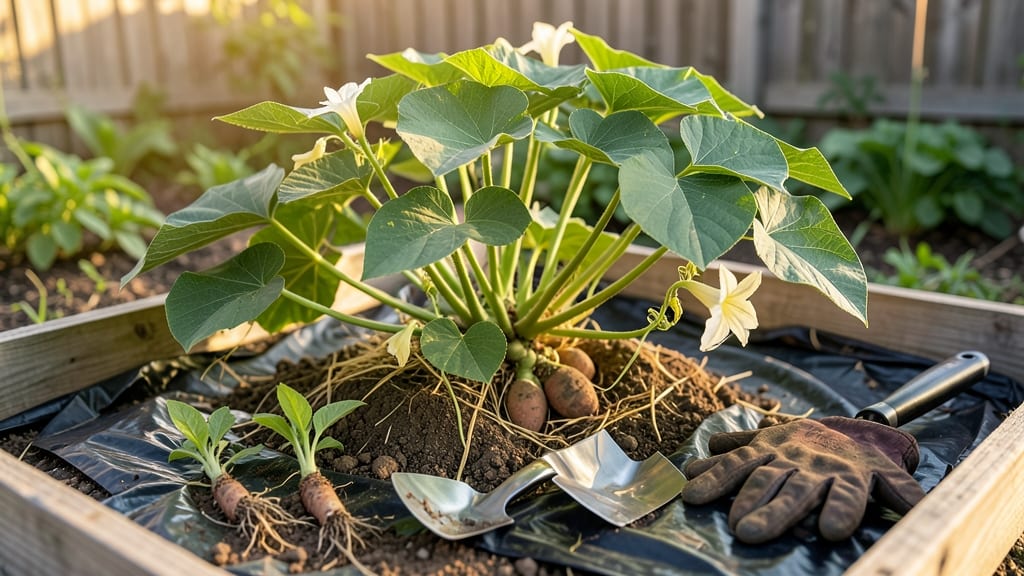
Planting sweet potatoes in North Carolina at the wrong time means watching your crop struggle—or worse, fail—before it even gets a chance to thrive. Unlike many vegetables, these 🍠 root crops demand warm soil and consistent heat to grow, which is why timing matters so much in zones 7b-8a.
Most gardeners rush to plant as soon as spring arrives, but those early attempts often end in disappointment when a late frost or cool soil stunts growth.
The key is waiting until the danger of frost has passed and soil temperatures consistently reach 60-70°F—a window that typically opens in mid-April to early June.
If you're growing from slips (the preferred method in NC), you'll want to start them indoors 4-6 weeks before your last expected frost date.
For seeds, the timeline shifts slightly, but the principle remains: plant too soon, and your crop will suffer; plant too late, and you might miss the harvest window entirely.
Let me walk you through the exact steps to time your planting perfectly—so you can enjoy a bountiful harvest from late September through November, just as the first chill of fall arrives.
Optimal sweet potato planting dates in North Carolina Heat Zones 7b-8a
North Carolina’s Heat Zones 7b-8a offer perfect conditions for growing sweet potatoes—but timing is critical. Planting too early exposes young slips to late spring frosts, while waiting too long reduces your harvest window before fall frosts arrive.
The ideal window spans mid-April through early June, when soil temperatures consistently reach 60-70°F.
Sweet potatoes are warm-season crops that won’t tolerate cold soil. If planted before the last frost (typically late March in most of NC), slips can rot or fail to establish roots. Use a soil thermometer to confirm temperatures—wait until readings stay above 65°F for at least 3 days before planting.
Here’s your NC-specific planting timeline for Heat Zones 7b-8a, including soil requirements and frost-free windows:
| Zone & Region | Last Frost Date | Optimal Planting Window | Soil Temp Requirement | Harvest Window |
|---|---|---|---|---|
| 7b (Raleigh, Greensboro) | Late March | Mid-April to May 15 | 60-70°F (consistent) | Late Sept–early Nov |
| 8a (Charlotte, Asheville) | Early April | Early April to June 1 | 65-75°F (warmer soil) | Mid-Sept–late Oct |
| Coastal (Wilmington, Fayetteville) | Mid-March | Late March to May 10 | 60-68°F (humidity-sensitive) | Early Oct–mid-Nov |
To find your exact last-frost date, check the NC State Climate Office or use the USDA Plant Hardiness Zone Map. Most NC regions experience their last frost between March 15 and April 15, but mountain areas (Zone 7b) can linger until late April.
Planting 2-3 weeks after your local last frost ensures slips avoid cold damage.
Sweet potatoes grow best in loose, well-draining soil with a pH of 5.8-6.5. Before planting, amend your soil with compost or aged manure to improve texture and fertility. Avoid heavy clay soils, which can stunt root development and lead to small, misshapen tubers.
If you’re starting slips indoors (a common method for NC gardeners), begin 4-6 weeks before your target outdoor planting date. Slips need warmth and humidity to root—place them in a bright, 75-80°F environment with indirect light. Transplant slips outdoors when they’re 6-8 inches tall and have 3-4 leaves.
For maximum yield, space slips 12-18 inches apart in rows 3 feet apart. This gives tubers room to expand without competing for nutrients. In Heat Zone 8a, where summers are hotter, consider partial shade cloth during peak afternoon heat to prevent foliage stress.
After planting, maintain consistent moisture—sweet potatoes need 1-1.5 inches of water weekly, but avoid waterlogging. Mulch with straw or black plastic to retain soil moisture and suppress weeds.
In Zone 7b, where nights can still dip below 50°F in early summer, use row covers for the first 2 weeks to protect young plants.
Monitor your slips for yellowing leaves or stunted growth—these are signs of cold stress or poor soil conditions. If you miss the ideal window, don’t despair: late plantings in June can still produce a harvest if given full-sun exposure and extended growing days. Just expect a smaller yield.
With the right timing and care, your North Carolina sweet potato patch can yield 3-5 pounds per plant—enough to enjoy fresh harvests and share with neighbors. Happy planting! 🍠🌱
Optimal sweet potato planting dates in North Carolina Heat Zones 7b-8a
North Carolina’s Heat Zones 7b-8a offer the perfect climate for sweet potatoes, but timing your planting correctly ensures your crop thrives. The ideal window spans from mid-April to early June, once the soil warms to 60-70°F and all frost risk has passed.
Planting too early risks stunted growth from cool soil, while waiting too long may cut your harvest short.
Most gardeners in NC use slips (sprouted sweet potato cuttings) rather than seeds, which need a longer growing season. Start slips indoors 4-6 weeks before your last frost date—typically late March—so they’re ready to transplant into warm soil.
For seeds, extend your timeline by 2-3 weeks since they take longer to establish.
Sweet Potato Planting Timeline for NC
| Stage | Action | Notes |
|---|---|---|
| Late March | Start slips indoors | Use well-lit, warm spot (70°F+) |
| Mid-April | Hardening off slips | Acclimate to outdoor temps over 1 week |
| Early June | Transplant slips outdoors | Soil must be 65°F+; space 12" apart |
| Late September | Harvest before frost | Wait until foliage yellows; cure tubers for 10 days |
📅 Pro Tip: Check your local last frost date (NC averages March 15) and adjust planting by 2-3 weeks if your area runs cooler.
For early plantings, use black plastic mulch to warm the soil faster and protect slips from late frosts. Conversely, if you miss the ideal window, late June plantings can still yield a harvest—just expect smaller tubers.
Always prioritize soil temperature over calendar dates; a soil thermometer is your best tool.
Once planted, maintain consistent moisture and full sun exposure (6-8 hours daily) to encourage tuber development. Sweet potatoes need 90-140 days to mature, so plan your harvest for late September to November before the first frost hits. In NC, this typically means early November is your cutoff.
If you’re new to growing sweet potatoes, start with slips from a local nursery—they’re easier to establish than seeds and adapt better to NC’s climate. Avoid planting in heavy clay soil; amend with compost to improve drainage.
With the right timing and care, you’ll enjoy a bountiful harvest of sweet, homegrown tubers.
Remember: Patience is key. Rushing the process leads to poor yields, but following this timeline ensures your sweet potatoes thrive in North Carolina’s warm, welcoming climate. 🌱