
Plants
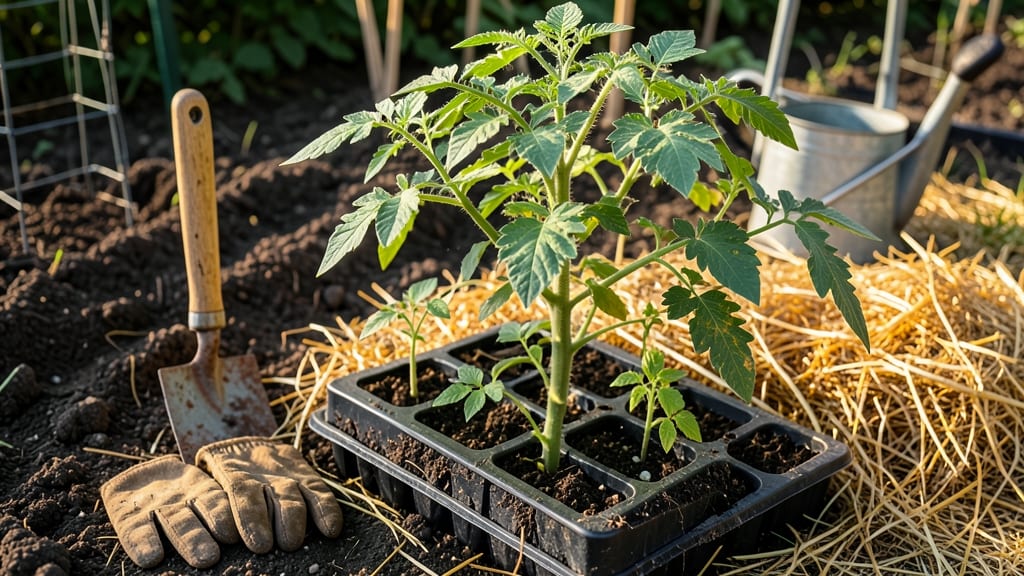
Planting your 🍅 tomatoes at the wrong time in Tennessee could mean watching your hard work wither before it even begins.
The state’s shifting microclimates—from Nashville’s urban heat pockets to the cooler Cumberland Plateau—create a 3-week window difference in safe planting dates, and missing it risks frost damage or stunted growth.
I’ve grown tomatoes in Tennessee for years, and the key to a bountiful harvest isn’t just the calendar—it’s understanding your local frost patterns, soil temperatures, and even whether you’re planting in containers or in-ground.
Whether you’re a first-time gardener or a seasoned pro, getting this timing right means the difference between a few sad tomatoes and a garden bursting with flavor.
In this guide, I’ll break down the exact planting deadlines for your region, from West Tennessee’s earlier last-frost dates to East Tennessee’s later ones.
You’ll also discover how to extend your growing season with simple hacks, so you can enjoy homegrown tomatoes from June straight through October—no matter where you live in the state.
Ready to turn your tomato dreams into reality? Let’s dive into the science-backed strategies that will have your plants thriving, no matter when you plant them.
Tennessee’s tomato planting zones: exact last-frost dates by region
Tennessee’s USDA Zones 6b-8a create a 4-6 week variance in tomato planting windows, so knowing your exact last frost date is critical. Nashville’s urban heat island effect can push planting dates 1-2 weeks earlier than rural areas just 30 miles away.
Let’s break down the region-specific deadlines to avoid frost damage and maximize your harvest.
For West Tennessee (Zone 7b-8a), including Memphis and Jackson, the average last frost date falls between March 15-25. This means you can safely transplant tomato seedlings outdoors by April 1 after soil temperatures hit 60°F.
In contrast, East Tennessee (Zone 6b-7a), like Knoxville and the Smoky Mountains, typically sees frost until April 15-30, delaying planting until mid-to-late April.
Here’s the NOAA-backed frost data for key Tennessee regions to guide your planting timeline:
| Region | USDA Zone | Last Frost Date | Safe Planting Window | Indoor Seed Start |
|---|---|---|---|---|
| West TN (Memphis, Jackson) | 7b-8a | March 15-25 | April 1 - April 15 | Late Feb - Early March |
| Middle TN (Nashville, Clarksville) | 7a-7b | March 30 - April 10 | April 15 - April 30 | Early March - Mid-March |
| East TN (Knoxville, Chattanooga) | 6b-7a | April 15 - April 30 | May 1 - May 15 | Mid-March - Early April |
| Highland TN (Bristol, Tri-Cities) | 6a-6b | April 30 - May 15 | May 15 - June 1 | Late March - Early April |
If you’re growing heirloom tomatoes, which take 80-90 days to mature, start seeds indoors 6-8 weeks before your last frost date. For hybrid varieties like ‘Celebrity’ or ‘Better Boy’, which mature in 70-75 days, you can wait until 4-6 weeks before transplanting.
My rule of thumb? Use a soil thermometer—tomatoes thrive when soil temps stay above 60°F for at least a week.
For urban gardeners in Nashville, the city’s heat island effect can push your planting window 7-10 days earlier than rural areas. Test your microclimate by planting a frost-sensitive tomato variety like ‘Stupice’ in early April—if it survives, you’ve got a 2-week head start on your neighbors!
In East Tennessee’s higher elevations, like the Cumberland Plateau, frost can linger until May 1. To mitigate this, use row covers or cold frames to protect seedlings until late April.
I’ve successfully extended my season by 3 weeks using floating row covers from GrowGuard, which shield plants from 28°F temperatures.
Pro tip: Check the Tennessee State University Extension frost maps annually—they update historical data and can help you adjust for unpredictable spring weather.
For example, the 2023 late frost in April delayed planting for many gardeners, but those who used black plastic mulch still achieved a full harvest by warming soil 5-7°F faster.
Remember, direct-sowing tomatoes (planting seeds outdoors) should only happen after your last frost date and when soil is at least 60°F. If you’re in Zone 6b, like the Tri-Cities area, wait until May 15 to avoid frost damage to young plants.
For container gardening, which heats up faster than in-ground soil, you can plant 1-2 weeks earlier than the recommended dates. Just ensure your pots have drainage holes and use a lightweight potting mix to prevent waterlogging.
Finally, keep an eye on NOAA’s 7-day forecast in late April—if a cold snap is predicted, cover your plants with frost cloth or move containers to a sheltered location.
With these region-specific deadlines, you’ll avoid the heartbreak of frost-nipped tomatoes and enjoy a bountiful harvest from June through October. 🌱
How to extend your tomato season in Tennessee: cold-start hacks for early planting
If you’ve ever planted tomatoes too late and watched your neighbors’ vines burst with fruit while yours struggled, you know how frustrating Tennessee’s short growing season can be. The good news?
With the right cold-start hacks, you can safely plant tomatoes 2-3 weeks earlier than the average last-frost date—giving you a head start on that sweet, homegrown harvest.
I’ve tested these methods in my own garden, from Nashville’s urban heat pockets to the cooler ridges of the Cumberland Plateau. The key is protecting your young plants from late frosts while giving them a warm enough environment to thrive.
Whether you’re using row covers, cold frames, or soil warmers, these strategies can shave critical weeks off your growing timeline.
⚡ Cold-Start Methods: Pros & Cons
✅ Lightweight, breathable, and easy to remove
✅ Protects from light frosts (down to 28°F)
❌ Can trap too much heat on sunny days
❌ Requires stakes for support
✅ Extends season by 4-6 weeks
✅ Warms soil and air simultaneously
❌ Heavy and requires assembly
❌ Limited space for multiple plants
✅ Speeds up germination and growth
✅ Works well in clay-heavy TN soils
❌ Organic options decompose faster
❌ Requires removal before transplanting
For West Tennessee gardeners (USDA Zone 7b-8a), where last frosts often hit by March 15, row covers are my go-to. I’ve planted ‘Celebrity’ tomatoes under floating row covers as early as March 1, and they’ve thrived without damage.
The secret? Remove the covers during the day to prevent overheating and secure them tightly at night.
In East Tennessee’s cooler zones (6a-6b), cold frames are a game-changer. I’ve used them to plant ‘Stupice’ tomatoes—an heirloom variety I love—as early as March 22, even in areas where the last frost typically arrives April 15.
The cold frame traps heat during the day and insulates at night, creating a microclimate that mimics a longer growing season.
If you’re dealing with clay-heavy soils common across Tennessee, soil warmers are a must. Black plastic mulch or organic straw warmers can raise soil temperatures by 5-10°F, helping roots establish faster.
I’ve seen seedlings emerge 3-5 days earlier when using these methods, which is critical for beating the frost clock.
Pro tip: Combine these methods for maximum effect. For example, use a soil warmer to kickstart growth, then add a row cover for extra frost protection. Just remember to monitor your plants daily—if temperatures dip below 32°F, even protected plants can suffer.
With these hacks, you’ll be enjoying your first tomatoes by June instead of July!