
Plants
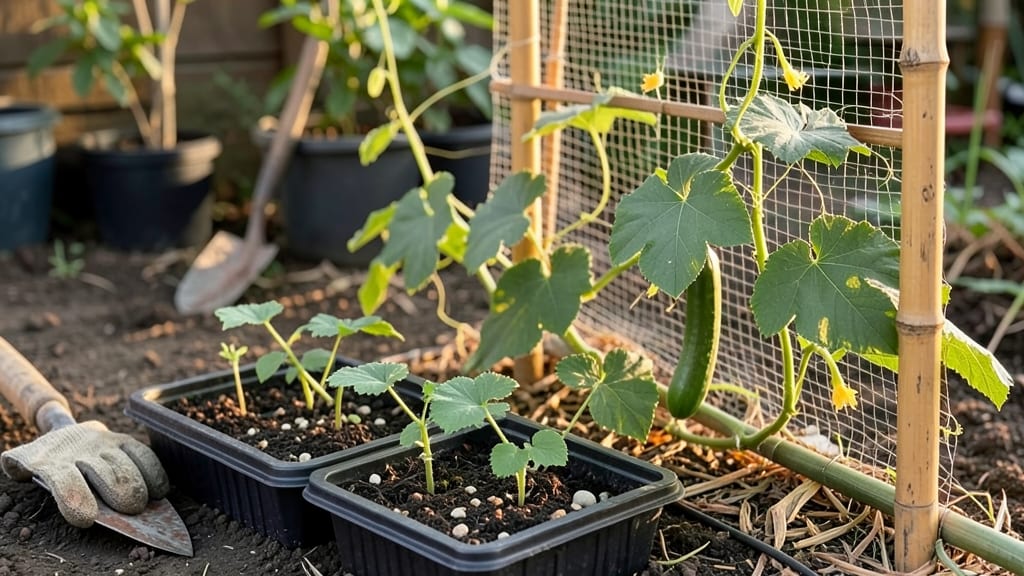
Timing your 🥒 cucumber planting in Portland, Oregon, isn't just about waiting for spring—it's about dodging the city's infamous late frosts and heat spikes that can turn your hard work into bitter, bolted plants.
The key? Planting in two precise windows: mid-April to early June for a summer harvest, or late July for a fall bounty before the first frost hits.
Here's the catch: Portland's microclimates—from the cooler Eastside to the urban heat islands of downtown—can shift your ideal planting dates by 2-3 weeks. Whether you're sowing seeds directly or transplanting starts, getting this right means the difference between a thriving vine and a sad, wilted disappointment.
I've grown cucumbers here for years, and I'll show you exactly how to sync your planting with Portland's quirky weather patterns. We'll cover soil temperature tricks, variety choices that actually survive our climate, and even how to stretch your harvest season with simple hacks.
Ready to grow cucumbers that taste fresh, not tough? Let's dive into the microclimate-specific dates and strategies that'll have you picking crisp, vine-ripened cucumbers all season long.
Portland’s microclimate zones: when to plant cucumbers by neighborhood
Portland’s diverse neighborhoods create microclimates that shift cucumber planting windows by 2-3 weeks. The Willamette Valley (e.g., Beaverton, Hillsboro) enjoys warmer soils earlier, while Eastside areas (e.g., Gresham, Troutdale) often face delayed planting due to cooler nights.
Even West Hills (e.g., St. Johns) can experience 5°F temperature swings compared to downtown.
For direct seeding, aim for soil temps above 60°F—typically mid-April to early May in low-lying areas, but wait until late May in higher elevations. Transplants can go in 2-3 weeks earlier if started indoors, but harden them off to avoid transplant shock from Portland’s chilly mornings.
Urban gardeners in concrete-heavy zones (e.g., downtown) may plant 1-2 weeks earlier thanks to the urban heat island effect, while wooded areas (e.g., Forest Park) could delay planting until June if frost pockets linger.
Always check local frost data—Portland’s last frost average is April 15, but late frosts occur 1 in 3 years.
🌱 Key Tip: Use a soil thermometer—cucumbers won’t germinate below 55°F, and slow starts invite pests. If your soil is cold, opt for black plastic mulch to warm it 5-10°F faster.
| Zone | Direct Seed Window | Transplant Window | Soil Temp Threshold | Notes |
|---|---|---|---|---|
| Willamette Valley (e.g., Beaverton, Hillsboro) | Mid-April to early May | Late April to mid-May | 60°F+ | Warmest microclimate; use row covers for late frosts. |
| Eastside (e.g., Gresham, Troutdale) | Late April to early June | Early May to late May | 58°F+ (cooler nights) | Delay if nights dip below 50°F; choose cold-hardy varieties. |
| West Hills (e.g., St. Johns, Lents) | Late May to early June | Early June | 62°F+ (warmer afternoons) | Urban heat helps; monitor for drought stress. |
| Downtown/Urban Core | Early April to mid-May | Late March to early May | 55°F+ (heat island effect) | Plant early but protect from wind; use containers for flexibility. |
| Wooded/Rural (e.g., Forest Park) | Late May to June | June | 65°F+ (slow warming) | Avoid frost pockets; extend season with row covers. |
If you’re unsure about your microclimate, test your soil for 3 days with a thermometer before planting. Portland’s Eastside often sees late frosts in May, so I recommend staggered planting: sow half your seeds in late April and the rest in mid-May to hedge your bets.
This succession method ensures a continuous harvest even if one batch bolts.
🌿 Pro Tip: For container growing (common in urban Portland), use 5-gallon pots and plant 2 weeks later than in-ground gardens—containers cool faster and dry out quicker. Place pots on brick or gravel to insulate roots and speed up warming.
Choose varieties suited to Portland’s short season, like ‘Straight Eight’ (60-day harvest) or ‘Armenian’ (cold-tolerant). Avoid long-vining types unless you have a trellis—Portland’s summers are too short for 20-foot vines to fully mature. Bush varieties (e.g., ‘Bush Champion’) are ideal for small spaces and containers.
Remember, Portland’s rain doesn’t stop in spring—plan for drainage and fungus prevention. Raised beds with compost-rich soil help cucumbers establish faster in cool, wet conditions. And if you’re in a windy area (like near the Columbia River Gorge), use windbreaks to protect young plants.
Start tracking your local conditions now—Portland’s planting window is narrow, and missing it by even a week can mean bolted, bitter cucumbers or failed harvests. With these microclimate adjustments, you’ll maximize your yield and enjoy fresh cucumbers straight from your garden. 🥒
Avoiding bolt risk: how to time cucumbers for Portland’s unpredictable spring
Portland’s spring frosts and temperature swings can turn eager cucumber seedlings into sad, bolted shadows—unless you time your planting like a pro. The key? Wait for soil temperatures to hit 55°F+ and avoid planting too early, even if the air feels warm.
I’ve learned the hard way that cold soil stunts growth, while late frosts can wipe out tender starts.
For Portland’s USDA Zone 8a, your last frost date is typically around April 15, but urban heat islands (like downtown) can push this 1-2 weeks earlier in microclimates.
Rural areas, like the West Hills, may need to wait until May 1 to be safe. Always check the National Weather Service for your exact neighborhood’s trends.
Cold soil (<55°F) triggers bolting (flowering without fruit). Late frosts can kill seedlings. Use row covers or black plastic mulch to warm soil faster.
Variety tip: ‘Armenian’ cucumbers tolerate cooler temps better than ‘Straight Eight’ varieties.
To calculate your safe planting window, start by testing soil temperature with a soil thermometer (or press your hand into the ground—if it’s too cold for your comfort, it’s too cold for cucumbers).
In my East Portland garden, I wait until late April for direct seeding, but transplant starts as early as mid-May to avoid transplant shock.
For urban gardeners with limited space, container growing works well—just ensure pots are at least 12 inches deep and use fast-warming containers (like black fabric grow bags). If you’re in a shadier microclimate (e.g., SE Portland), opt for bush varieties like ‘Bush Champion’ to maximize sunlight efficiency.
Pro tip: Plant a test row of radishes (they germinate in 3-4 days) alongside your cucumbers to gauge soil warmth. If the radishes sprout quickly, your cucumbers are ready!
For fall harvests, aim for late July plantings—this gives vines time to mature before first frost hits around October 15.
Remember, consistency is key. Cucumbers hate temperature fluctuations, so avoid planting during heatwaves (like our infamous June 2021 100°F days). If you must plant early, use frost cloth until nighttime temps stay above 50°F.
With these tricks, you’ll dodge bolt risk and enjoy crisp, sweet cucumbers all season. 🥒