
Flowers
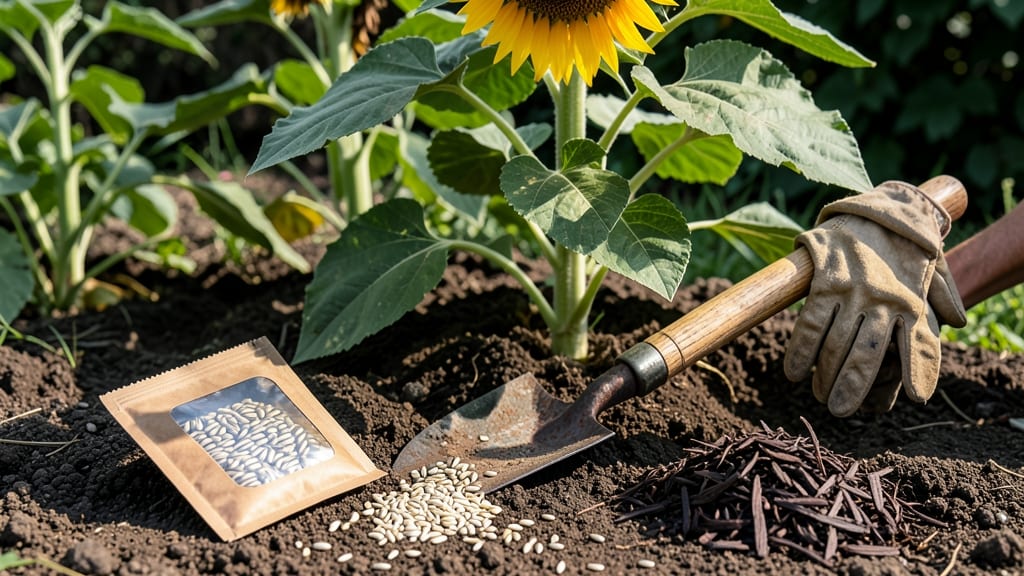
Planting sunflowers in Florida at the wrong time can turn your golden dreams into wilted disappointment—but timing these towering beauties just right guarantees 10-foot giants that thrive year after year.
With 300+ frost-free days, Florida offers two perfect windows: early spring and late summer, when soil warms and humidity works in your favor.
I’ve grown 🌻 sunflowers in Florida’s 9a-10a zones for years, and the key isn’t just avoiding frost—it’s matching varieties to your region’s heat. Whether you’re in Miami’s tropical edge or Orlando’s slightly cooler pockets, the right timing and prep can mean the difference between bountiful blooms and sad, stunted stems.
Let’s break down the best months for planting, how to prep soil for Florida’s sandy loam, and why some gardeners swear by late-summer starts for winter harvests. You’ll also discover how to adapt these tips for containers if your space is limited.
Ready to grow sunflowers that outshine your neighbors’? The secrets start with the calendar—and I’ll show you exactly how to use it.
Florida sunflower planting calendar: month-by-month zero-frost guide
Florida’s frost-free growing season makes sunflowers a perfect fit, but timing still matters. Plant too early, and you’ll face heat stress; too late, and blooms arrive just as summer’s intensity peaks.
The ideal windows are February–March for spring blooms and August–September for fall harvests, with soil temperature thresholds of 60°F+ to trigger germination.
North Florida’s cooler microclimates (like Jacksonville) demand earlier sowing—think late January—while South Florida’s Miami-Dade zone can start as late as March. Humidity also plays a role: August planting risks fungal issues unless you prioritize spaced rows and airflow.
Let’s break it down by month to maximize your zero-frost success.
🌱 Key Takeaway: Florida’s USDA Zones 9a–10a mean no frost worries, but heat and humidity create their own challenges. Adjust planting dates 1–2 weeks earlier in North Florida vs. South.
| Month | Planting Window | Soil Temp (°F) | North FL Adjustment | South FL Adjustment | Bloom Time |
|---|---|---|---|---|---|
| February | Direct sow after Feb 15 | 60°F+ | Start Jan 20 | Wait until March 1 | May–June |
| March | Best spring window | 65°F+ | No adjustment | No adjustment | June–July |
| April | Late spring edge | 70°F+ | Avoid (heat stress) | Possible in shade | July–August |
| August | Start fall window | 75°F+ | Wait until Aug 20 | Start July 30 | October–November |
| September | Peak fall planting | 70°F+ | No adjustment | No adjustment | November–December |
For February–March plantings, aim for direct sowing in well-draining soil with 1 inch of compost mixed in.
Use black plastic mulch to warm soil faster in North Florida, while South Florida gardeners can skip this step. Seed depth should be 1 inch deep, with 12-inch spacing between plants to prevent crowding.
August’s fall window requires extra vigilance against powdery mildew. Space plants 18 inches apart and water at soil level (not overhead) to reduce fungal spores. Dwarf varieties like ‘Teddy Bear’ thrive here, offering earlier blooms before winter’s chill sets in.
💡 Pro Tip: Test your soil temperature with a soil thermometer—sunflowers won’t germinate below 60°F. North Florida’s cooler pockets (like Gainesville) may need row covers for early plantings.
Regional microclimates matter: Coastal areas (e.g., Tampa) can plant 1–2 weeks later than inland zones due to moderating ocean breezes. Conversely, interior cities like Orlando experience hotter microclimates, so shade cloth may help young seedlings.
🌡️ Heat Alert: Avoid planting in April unless you’re growing dwarf varieties in partial shade. Temperatures above 90°F
Sunflower varieties that flourish in Florida’s heat and humidity
Florida’s humid heat and long growing season make it perfect for sunflowers—but not all varieties thrive equally. The right heat-tolerant and disease-resistant types will reward you with bold blooms and minimal stress.
Let’s explore the top 5 sunflower varieties that dominate Florida gardens, ranked by their ability to handle our climate.
When selecting sunflowers for Florida, prioritize drought resistance and short maturity times to avoid summer wilting. Varieties like 'Russian Giant' and 'Autumn Beauty' are standouts, but even they need smart planting strategies—like direct sowing after soil warms to 65°F+ or transplanting seedlings in late summer for fall blooms.
'Russian Giant' tops the list for Florida gardens, reaching 12–15 feet tall with 10-inch blooms. Its thick stems resist wind damage, and it thrives in full sun with minimal watering once established. For direct sowing, plant seeds ½ inch deep in well-draining soil after the last frost (typically mid-February in North Florida).
If you prefer compact varieties, 'Teddy Bear' sunflowers (3–4 feet tall) are perfect for containers or small spaces. They bloom in 60–70 days and handle Florida’s humidity better than giant types.
For transplanting, start seeds indoors 4–6 weeks before your last frost date and harden off seedlings before moving them outdoors.
For late-season color, 'Autumn Beauty' delivers bi-color blooms (yellow and red) from fall planting. Sow seeds directly in August for November–December blooms, avoiding fungal issues by spacing plants 12–18 inches apart. This variety is