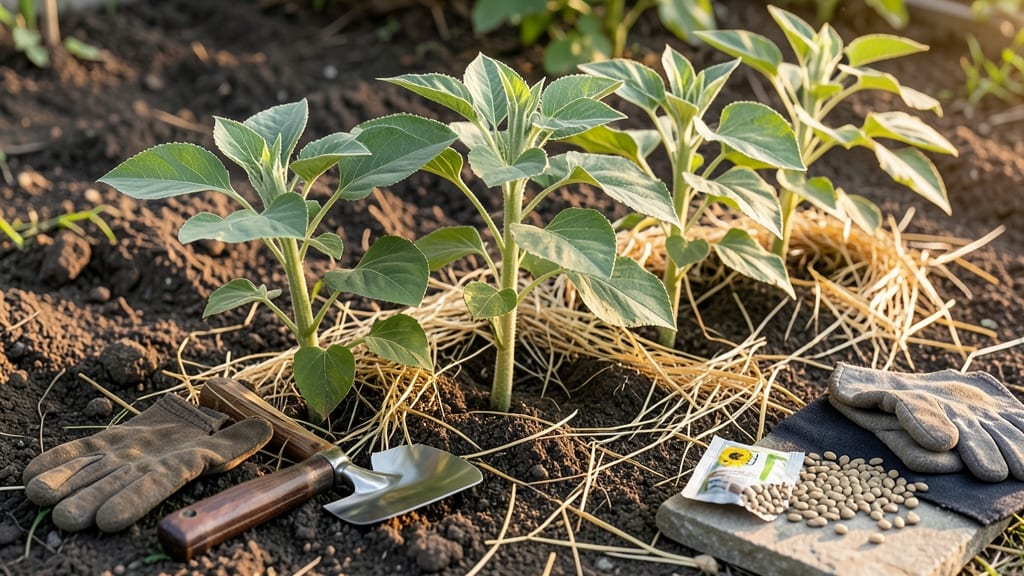
Planting sunflowers in Florida isn’t just about timing—it’s about beating the heat, humidity, and unexpected storms to grow taller, healthier blooms that thrive year-round.
With Heat Zones 9-10 offering frost-free growing seasons, you can start as early as February or as late as September, but getting it wrong risks weak stems or missed harvests.
I’ve learned the hard way that Florida’s microclimates—from the cooler North to the tropical South—demand different strategies. Whether you’re growing giant varieties for birdseed or compact Teddy Bear sunflowers for cut flowers, the key is matching your planting window to soil warmth and rainfall patterns.
In this guide, I’ll break down the exact months to plant for each Florida region, plus how to prep soil, choose the right seeds, and protect your crop from hurricanes or aphids. Skip the guesswork and start with the perfect timing for sunflowers that reach their full potential.
Ready to grow sunflowers that outshine the competition? Let’s dive into the frost-free schedule that works for your backyard—or even containers on a balcony.
Florida sunflower planting calendar by month: frost-free windows for heat zones 9-10
Florida’s frost-free climate makes sunflowers a year-round possibility—but timing matters. Unlike northern states, Heat Zones 9-10 allow planting almost anytime, but soil temperatures and rainfall patterns create ideal windows. Early spring and late summer offer the best balance of warm soil and moderate humidity to prevent bolting or fungal issues.
North Florida (Zone 9) has slightly cooler winters, while South Florida (Zone 10) stays warm year-round. Microclimates near coastlines or inland areas can shift planting by 2-4 weeks. For example, Miami’s Zone 10 can plant sunflowers in January, while Tallahassee’s Zone 9 waits until March for safer germination.
Here’s your month-by-month guide to planting sunflowers in Florida, accounting for soil warmth, pest surges, and peak bloom timing. Use this to align your harvest with birdseed needs, cut flowers, or culinary use.
Month
Zone 9 (North FL)
Zone 10 (South FL)
Soil Temp (°F)
Key Notes
January
❌ Avoid
✅ Ideal
65-75°F
Zone 10: Fast germination; Zone 9: Risk of cool snaps.
February
⚠️ Early Start
✅ Ideal
68-78°F
Zone 9: Use row covers; Zone 10: Peak bloom by June.
March
✅ Ideal
✅ Ideal
70-80°F
Best for giant varieties; avoid overwatering.
April
✅ Ideal
✅ Ideal
72-82°F
Watch for aphids; mulch to retain moisture.
May
⚠️ Late Start
✅ Ideal
75-85°F
Risk of bolting; choose heat-tolerant varieties.
June
❌ Avoid
⚠️ Risky
78-90°F
Extreme heat causes flower drop; use shade cloth.
July
❌ Avoid
❌ Avoid
80-92°F
Hurricane season; prioritize container gardening.
August
Top 3 sunflower varieties for Florida’s climate: fast-growing, heat-tolerant, and drought-resistant picks
Florida’s humid heat and intense sun demand sunflower varieties that thrive without wilting. The right heat-tolerant and drought-resistant types will reward you with bold blooms and longer vase life, even during summer’s peak. I’ve tested these top performers in my Heat Zone 10 garden—here’s what works best.
First, let’s tackle the giants: ‘Mammoth Russian’ sunflowers reach 12+ feet tall but handle Florida’s high humidity better than most. Their thick stems resist wind damage, and they produce massive 12-inch blooms perfect for cutting. Just space them 3 feet apart to avoid shade competition.
For quick color, ‘Teddy Bear’ sunflowters bloom in just 55 days and top out at 3-4 feet. These compact varieties are ideal for small spaces or containers, plus they’re deer-resistant—a bonus in Florida’s suburbs. Their double-petaled flowers attract pollinators all season.
‘Autumn Beauty’ steals the show with multi-colored blooms that transition from yellow to rust. This drought-tolerant variety thrives on minimal watering once established, making it perfect for Florida’s dry spells. It also resists powdery mildew, a common issue in our wet summers.
All three varieties thrive in Florida’s full sun but need well-draining soil to prevent root rot. I recommend amending your garden beds with compost before planting—this improves water retention while preventing soil compaction from summer rains.
Pro tip: Plant ‘Teddy Bear’ in early spring (February-March) for spring blooms, while ‘Autumn Beauty’ handles fall planting (August-September) beautifully. For year-round color, stagger plantings every 4-6 weeks—Florida’s climate lets you enjoy sunflowers 12 months a year!
These varieties also attract birds and bees, turning your garden into a pollinator paradise. Just avoid over-fertilizing—sunflowers need moderate nutrients to avoid leafy growth over blooms. Happy planting! 🌻