
Plants
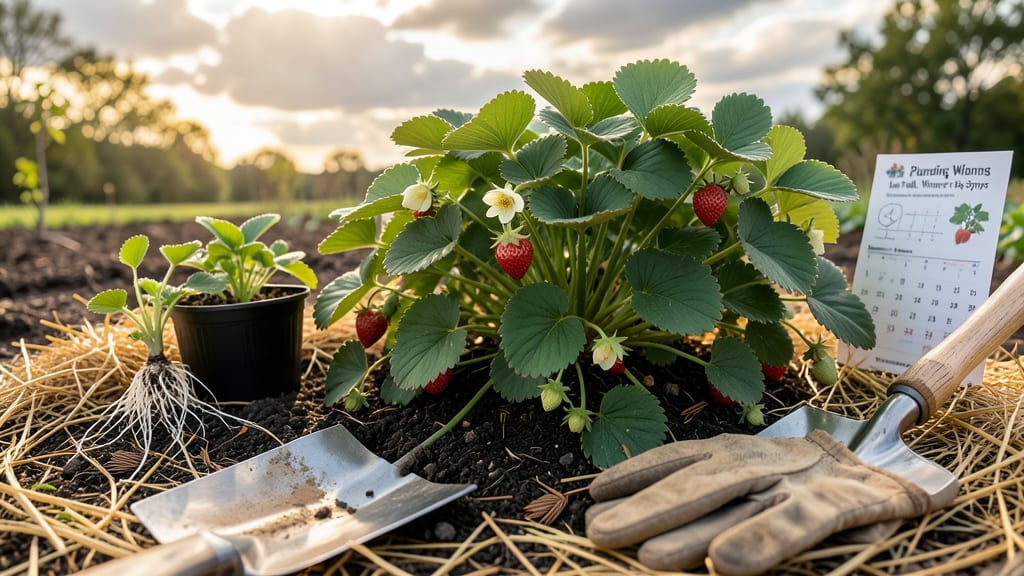
Planting strawberries at the wrong time in Zone 8 can mean missing out on that sweet, juicy harvest you crave—so timing is everything. The ideal window for planting these 🍓 gems isn’t just about months but also about avoiding frost and heat stress that can stunt growth.
Most gardeners in Zone 8 get it right by planting in early fall or late winter, but microclimates—like coastal areas versus inland spots—can shift those windows by weeks.
I’ll break down the exact months that work best for your specific location, so you can set your strawberries up for success from day one.
Whether you’re starting with bare-root plants or potted varieties, knowing when to put them in the ground makes all the difference. You’ll learn how to read your local frost dates, adjust for summer heat, and even choose varieties that thrive in Zone 8’s unique conditions.
Ready to grow strawberries that produce bigger yields and longer harvests? Let’s dive into the perfect planting schedule tailored just for your corner of Zone 8.
Best planting months for strawberries in Zone 8: avoiding frost and heat stress
Zone 8 gardeners enjoy long growing seasons, but strawberries need precise timing to avoid late-winter frosts or summer heat stress. The ideal window spans early fall and late winter, with key distinctions between Zone 8a (colder) and Zone 8b (warmer) subregions.
Planting too early risks frost damage, while late planting delays harvests in Zone 8’s intense summers.
For fall planting, aim for September through early October—this gives roots time to establish before winter while avoiding November’s first frost risk. In Zone 8b, you can stretch planting until mid-October, but Zone 8a gardeners should finish by late September to prevent cold stress.
Spring planting opens in February, with March being ideal for most varieties.
Here’s how to decide between fall and spring planting based on your microclimate:
Zone 8a gardeners (e.g., Las Vegas, El Paso) face harder frosts in November, so fall planting must end by late September. In contrast, Zone 8b (San Diego, Phoenix) can plant until mid-October thanks to milder winters.
For spring, Zone 8a should start in February, while Zone 8b can wait until March to avoid early heat stress.
Bare-root plants thrive when planted in cool, moist soil, making fall the superior choice for most Zone 8 gardeners. If you prefer potted strawberries, transplant them in spring (March) once soil warms to 60°F. This method extends harvests by 4–6 weeks compared to fall planting.
Heat stress is the biggest threat in Zone 8’s summers. Varieties like 'Seascape' or 'Albion' tolerate 90°F+ temps, but planting in late winter ensures berries ripen before June’s peak heat.
Shade cloth (30–50%) can protect plants during July–August, but mulch is your first defense against soil temperature swings.
Soil preparation is critical. Amend beds with compost and sand to improve drainage—strawberries rot in soggy soil. Test pH (ideal: 5.5–6.8) and add lime or sulfur as needed. Raised beds warm faster in spring, giving you a 2-week head start on planting compared to in-ground beds.
Monitor local frost dates using USDA frost maps or your smartphone’s weather app. Inland areas (e.g., Phoenix) rarely see frost, while coastal regions (e.g., San Diego) may experience light freezes in December. Adjust planting dates accordingly—coastal gardeners can plant 1–2 weeks later than inland neighbors.
For maximum yield, stagger plantings: 20% in fall and 80% in spring. This ensures a continuous harvest from May through July, avoiding the heat-induced fruit drop that plagues single-season plantings. Prune old leaves in spring to redirect energy to fruit production.
🌱 Remember: Strawberries are perennial in Zone 8—proper timing now means years of low-maintenance harvests with minimal replanting.
Microclimate-specific adjustments: coastal vs. inland planting timelines
Zone 8’s microclimates can shift ideal strawberry planting windows by 2-4 weeks, depending on whether you’re near the coast or inland. Coastal areas like San Diego stay milder longer, while inland cities like Phoenix face intense summer heat.
These differences mean the perfect planting time for your neighbors might be disastrous for your garden.
For coastal gardens, late September to early October is ideal—giving plants time to establish roots before winter rains. Inland areas should aim for mid-October to November to avoid summer’s brutal heat.
Spring planting also varies: coastal zones can start as early as mid-February, while inland gardeners wait until late March to avoid late frosts.
Soil thermometers are your secret weapon—plant when soil temps hit 60°F (15°C) at 4-inch depth. Coastal soils stay cooler longer, while inland soils heat up faster. Case study: In San Diego, I’ve planted in early October with zero frost risk, while my Phoenix friends wait until November 15th to avoid heat stress.
Elevation also plays a role—mountainous areas get cooler nights that extend the growing season. At 3,000 feet, I’ve planted 2 weeks earlier than my valley neighbors. Urban heat islands (like Los Angeles) can push planting dates 1-2 weeks later due to pavement radiating heat.
Always check local weather stations for microclimate data.
Pro tip: Use black plastic mulch in inland areas to warm soil faster, or shade cloth in coastal zones to protect from coastal fog. Both tricks help fine-tune planting times by 1-2 weeks when microclimates are extreme.
For maximum yield, pair these adjustments with drip irrigation to maintain consistent moisture.
Remember, fall planting gives you an earlier harvest, while spring planting extends the season. In San Diego, my fall-planted berries fruit by February, while spring-planted ones keep producing until June. The key is matching your microclimate’s unique rhythm to strawberries’ 60-75 day growth cycle.